
Japan Tourist Visa Application Form Sample: A Comprehensive Guide
Navigating Japan’s visa process requires careful attention to detail; this guide provides a thorough overview of the application,
requirements, and recent updates effective April 1, 2023, for a smooth journey.
Understanding Japan’s Visa Requirements
Japan’s visa policies are determined by bilateral agreements and the applicant’s nationality. Many nationalities benefit from visa exemption arrangements for short-term stays – typically up to 90 days – for tourism, business, or visiting relatives. However, verifying eligibility is crucial before travel, as requirements can change. The Japan National Tourism Organization (JNTO) and the Ministry of Foreign Affairs of Japan are excellent resources for the most current information.
For those requiring a visa, the application process involves submitting a detailed form, a valid passport, a photograph meeting specific criteria, proof of travel arrangements (flight itinerary), accommodation details (hotel reservations), and evidence of sufficient funds to cover the stay. A guarantor may be required in certain cases, adding another layer to the application. Understanding these requirements upfront streamlines the process and increases the chances of a successful visa outcome.
Who Needs a Tourist Visa for Japan?
Determining if you need a tourist visa for Japan depends entirely on your nationality and the length of your intended stay. Citizens of 68 countries and regions currently enjoy visa exemption arrangements for tourism, business, or visiting relatives for stays of up to 90 days. These include the United States, Canada, most European nations, Australia, and New Zealand.
However, if your nationality isn’t on the exemption list, or if you plan to stay longer than 90 days, a visa is required. Furthermore, certain activities, even within the 90-day limit, may necessitate a visa – for example, engaging in paid work or long-term study. The Ministry of Foreign Affairs of Japan’s website provides a comprehensive list of visa-exempt countries and detailed information regarding specific visa types. Always confirm your individual requirements before making travel plans.
Types of Japanese Tourist Visas
Japan offers several tourist visa options tailored to different travel durations and purposes. The most common is the “Temporary Visitor” visa, suitable for short-term tourism, business trips, or visiting family and friends, generally valid for up to 90 days. This visa allows for single or multiple entries, depending on the applicant’s nationality and the visa’s specific conditions.
For longer stays exceeding 90 days, a “Long-Term Stay” visa is required, categorized based on the visitor’s activities. While primarily for purposes beyond simple tourism (like study or work), extended tourism may be considered under specific circumstances. It’s crucial to accurately identify the purpose of your visit when applying, as this dictates the appropriate visa type and required documentation. The Japan National Tourism Organization (JNTO) and the Ministry of Foreign Affairs provide detailed breakdowns of each visa category.
The New Visa Application Form (Effective April 1, 2023)
A revised Japan visa application form came into effect on April 1, 2023, introducing significant changes aimed at streamlining the process and enhancing security. The updated form, available through Japanese embassies and consulates, features a redesigned layout and expanded sections for detailed travel information. Applicants must now provide more comprehensive data regarding their itinerary, including specific locations and planned activities throughout their stay in Japan.
The new form also places greater emphasis on guarantor information, if applicable, and requires clearer documentation of financial stability. It’s crucial to download the latest version of the form to ensure compliance with current regulations. Handwritten applications are accepted, but must be completed legibly with no erasures; computerized forms are preferred for clarity and efficiency. Thoroughly reviewing the instructions before completing the form is highly recommended.
Key Changes in the 2023 Application Form
The 2023 application form introduces several key modifications impacting applicants. Notably, the section requesting detailed travel plans has been significantly expanded, demanding precise information about daily itineraries, including accommodation addresses and planned activities. A new field requires applicants to disclose any previous visa refusals for any country, enhancing transparency.
Furthermore, the guarantor section now necessitates more comprehensive details about the guarantor’s financial standing and relationship to the applicant. The form also clarifies requirements for providing proof of funds, emphasizing the need for recent bank statements demonstrating sufficient financial resources. Applicants are now prompted to declare any family members residing in Japan, even if not the primary reason for their visit. These changes aim to improve the efficiency and accuracy of visa processing, ensuring a more secure travel experience.
Where to Obtain the Application Form
Securing the official Japan Tourist Visa Application Form is a crucial first step. The most reliable source is the website of the Ministry of Foreign Affairs of Japan (MOFA). Directly downloading from MOFA ensures you have the latest version, effective April 1, 2023, avoiding outdated or incorrect forms. Alternatively, you can obtain the form from the Japanese Embassy or Consulate nearest to your place of residence.
Many consulates offer downloadable forms on their specific websites, providing localized instructions. Be cautious of third-party websites offering visa forms, as these may not be current or official. Visiting the embassy or consulate in person allows you to ask questions and confirm requirements. Remember to verify the form’s validity date before completing it, ensuring compliance with current regulations for a successful application process.
Required Documents for a Japan Tourist Visa
A comprehensive set of documents is essential for a successful Japan Tourist Visa application. Core requirements include a valid passport, a completed visa application form, a recent passport-sized photograph (45mm x 45mm), and a detailed travel itinerary outlining your planned activities in Japan. Proof of accommodation, such as hotel reservations, is also mandatory.
Furthermore, applicants must demonstrate sufficient financial stability to cover their expenses during the stay. This typically involves providing bank statements or other acceptable forms of financial proof. A signed application form, in A4 size, is crucial, ensuring it’s computerized or neatly handwritten without any erasures. Depending on your circumstances, a guarantor may be required, and a cover letter explaining the purpose of your visit is highly recommended. Ensure all documents are current and accurately reflect your travel plans.
Passport Requirements
Your passport is a foundational element of the Japan Tourist Visa application. It must be valid for the entire duration of your intended stay in Japan, and ideally, possess at least six months of validity beyond your planned departure date. The passport should have at least two blank pages available for visa stamps and entry/exit endorsements.

Ensure the passport is an original document; photocopies are generally not accepted. Any previous passports containing relevant visa stamps or travel history may be requested to support your application. Damage to the passport, such as water damage or significant wear and tear, could lead to rejection. It’s crucial that the personal information on your passport matches the details provided on the visa application form precisely. Any discrepancies can cause delays or denial of your visa.
Photograph Specifications (45mm x 45mm)
A recent passport-style photograph is a critical component of your Japan Tourist Visa application. The photograph must be 45mm x 45mm in size, and adhere to strict guidelines. It should feature a clear, front view of your face with a neutral expression, against a plain white background. Head coverings are generally not permitted, except for religious reasons, and even then, the face must be fully visible.
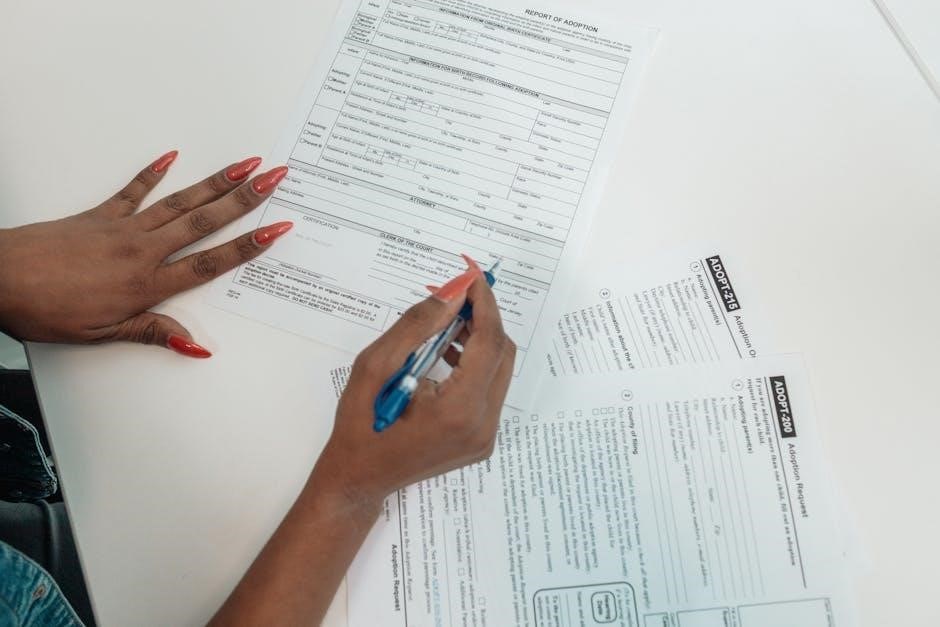
Eyeglasses are allowed, but they shouldn’t obscure your eyes or create glare. The photograph must be high-quality, printed on photographic paper, and free from any creases, tears, or blemishes. It should have been taken within the last six months to accurately reflect your current appearance. Avoid shadows on your face or in the background. Ensure proper lighting and focus for a clear and identifiable image. Failure to meet these specifications can result in application rejection.
Proof of Travel Arrangements (Flight Itinerary)
Submitting a detailed flight itinerary is essential when applying for a Japan Tourist Visa. This document serves as confirmation of your planned entry and exit dates, demonstrating your commitment to adhering to the visa’s validity period. The itinerary doesn’t necessarily require a fully paid ticket initially; a confirmed reservation is generally acceptable. However, be prepared to provide proof of purchase if requested later in the process.
Your itinerary should clearly display your name, flight numbers, departure and arrival dates, and the airports involved. Round-trip tickets are strongly recommended, as they reinforce your intention to return to your home country. Include details for all connecting flights if applicable. Ensure the dates align with the intended length of stay declared in your application. Providing a well-organized and accurate flight itinerary significantly strengthens your visa application.
Proof of Accommodation (Hotel Reservations)
Demonstrating pre-arranged accommodation is a crucial component of your Japan Tourist Visa application. Providing confirmed hotel reservations assures the immigration authorities that you have a designated place to stay during your visit, contributing to a well-planned trip. Similar to flight itineraries, fully paid reservations aren’t always mandatory at the initial application stage; however, confirmed bookings are essential.
Your hotel reservations should clearly state your name, the hotel’s name and address, check-in and check-out dates, and the room type. If you plan to stay at multiple locations within Japan, provide reservations for each. Alternatively, if staying with friends or family, a formal invitation letter and a copy of their residence card are required. Ensure the accommodation details align with your stated itinerary and intended length of stay. A comprehensive accommodation plan enhances the credibility of your application.
Financial Proof (Bank Statements)
Submitting sufficient financial documentation is paramount to demonstrating your ability to cover expenses during your stay in Japan. The Japanese Immigration Bureau requires applicants to prove they possess adequate funds to support themselves without relying on employment or public assistance within Japan. Bank statements are the primary means of verifying this financial stability.
Typically, recent bank statements (covering the last three to six months) are requested, showcasing a consistent financial history. These statements should clearly display your name, account balance, and transaction history. The required amount varies depending on the length of your stay and your travel style, but generally, demonstrating coverage for accommodation, meals, transportation, and activities is essential. Supplementary documentation, like proof of other investments, may strengthen your application. Ensure statements are officially stamped by the bank.

Demonstrating Sufficient Funds
Establishing financial solvency is a critical component of your Japan tourist visa application. The immigration authorities need assurance you won’t become a financial burden during your visit. There isn’t a fixed amount, but the required funds must realistically cover all anticipated expenses – accommodation, meals, transportation, activities, and unforeseen costs.
Consider a daily allowance of approximately ¥10,000 ⎯ ¥15,000 (roughly $70-$105 USD) per person, per day, as a reasonable estimate. This figure can fluctuate based on your travel style and planned activities. Providing bank statements, proof of savings, or other investment records is essential. If sponsored, a letter of guarantee from your sponsor, alongside their financial documentation, is required. Thorough preparation and clear documentation significantly increase your application’s success rate.
Acceptable Forms of Financial Proof
When substantiating your financial capacity for a Japan tourist visa, several document types are generally accepted. Official bank statements, typically covering the last three to six months, are the most common and preferred method. These statements must clearly display your name, account balance, and transaction history.
Passbooks, savings account certificates, and fixed deposit receipts are also viable options. For applicants relying on sponsorship, a formal letter of guarantee from the sponsor, accompanied by their bank statements and proof of income (like pay slips or tax returns), is crucial. Investment portfolios, showing asset values, can supplement other documentation. Ensure all documents are original or certified copies, and translated into English if necessary, to facilitate a smooth review process by the consulate.
Detailed Breakdown of Application Sections
The Japan tourist visa application form, revised effective April 1, 2023, is meticulously structured to gather comprehensive applicant information. Section 1 focuses on personal details – full name, date of birth, nationality, and contact information – requiring precise accuracy. Section 2 demands thorough passport information, including issue and expiry dates, and any previous Japanese visa history.
Section 3 is pivotal, detailing your purpose of visit and a comprehensive itinerary. Be specific about planned activities and locations. Section 4, applicable only if a guarantor exists, requires their detailed information. Remember to use A4 size paper and avoid any erasures when completing the form, whether handwritten or computerized. Careful completion of each section is paramount for a successful application.
Section 1: Personal Information
The initial section of the Japan tourist visa application meticulously collects your fundamental personal details. Applicants must provide their full name, precisely as it appears on their passport, differentiating between given, middle, and surnames. Accurate date of birth and nationality declaration are crucial.

Furthermore, this section requires current contact information – a permanent address and a reliable telephone number. Details regarding any alternative names previously used, such as a maiden name, must also be declared. This section establishes your identity for processing. Ensure all information aligns perfectly with supporting documentation to avoid delays or rejection. Accuracy and consistency are key to a smooth application process.
Section 2: Passport Details
This section demands precise passport information, vital for verifying your travel document validity and identity. Applicants must input their passport number, the date of issue, and the expiration date, ensuring accuracy to prevent processing issues. The issuing country of the passport is also required.
Crucially, the application form asks if the passport has been renewed; if so, details of previous passports may be necessary. Providing complete and correct passport details is paramount. Any discrepancies between the application and the passport itself can lead to significant delays or even visa refusal. Double-check all entries against your physical passport before submission. This section confirms your legal right to enter and exit Japan.
Section 3: Purpose of Visit & Itinerary
Clearly stating your travel intentions is crucial in this section of the application. You must specify “VISIT RELATIVES” or “TOURISM” as your primary purpose. A detailed itinerary is essential, outlining your planned activities and the cities you intend to visit within Japan. Include specific dates for arrival and departure, and for each location you plan to stay.
Provide the name and address of any relatives you will be visiting. If traveling for tourism, list key attractions and planned tours. The more detailed your itinerary, the better. This demonstrates genuine tourism intent and helps visa officials assess your travel plans. Be realistic and consistent with your supporting documents, like hotel reservations and flight itineraries. A well-defined itinerary strengthens your application.
Section 4: Guarantor Information (If Applicable)
This section applies if a resident of Japan is financially guaranteeing your stay. A guarantor assumes responsibility for your expenses and adherence to Japanese laws during your visit. Complete this section meticulously if applicable, providing the guarantor’s full name, address, occupation, and contact details – including telephone and mobile numbers.
The guarantor must also provide their relationship to you and a statement confirming their financial responsibility. Supporting documentation from the guarantor, such as proof of income and residence, is typically required. A guarantor significantly strengthens your application, particularly if you have limited financial resources. Ensure all information provided is accurate and verifiable. The guarantor’s role is to assure the immigration authorities of your responsible conduct while in Japan.
The Role of a Guarantor in the Visa Process
A guarantor plays a crucial supportive role in a Japan tourist visa application, particularly for applicants who may not have substantial independent financial means or a strong established connection to their home country. The guarantor, a legal resident of Japan, essentially sponsors the applicant’s visit, taking on financial and legal responsibility for their stay.
This includes ensuring the applicant adheres to Japanese laws and covers all expenses during their trip. The guarantor’s documentation – proof of income, residence, and a formal letter of guarantee – significantly strengthens the application. It demonstrates to immigration officials a commitment to the applicant’s responsible travel. A reliable guarantor can be especially beneficial for first-time visitors or those with limited travel history, increasing the likelihood of visa approval.
Common Reasons for Visa Rejection
Several factors can lead to a Japan tourist visa rejection, despite a seemingly complete application. Insufficient financial proof is a primary cause; applicants must convincingly demonstrate funds to cover all travel and living expenses. Incomplete or inaccurate information on the application form is another frequent issue, highlighting the need for meticulous attention to detail.
A weak travel history, or a lack of demonstrable ties to the applicant’s home country – such as employment or property ownership – can raise concerns about potential overstaying. Furthermore, submitting falsified documents immediately results in rejection and potential future travel bans. A poorly defined itinerary or an inability to clearly articulate the purpose of the visit can also contribute to a negative outcome. Addressing these potential pitfalls proactively significantly improves approval chances.
Tips for a Successful Application
To maximize your chances of a successful Japan tourist visa application, prioritize accuracy and completeness. Double-check all information on the form, ensuring it aligns perfectly with supporting documents. Provide a detailed and realistic itinerary, demonstrating a clear travel plan and intended activities.

Strong financial documentation is crucial; submit recent bank statements showcasing sufficient funds, and consider including additional proof like employment letters. Clearly articulate your ties to your home country – job, family, property – to alleviate concerns about overstaying. A well-written cover letter summarizing your travel purpose and commitment to adhering to visa regulations can also be beneficial. Finally, apply well in advance of your intended travel date to allow ample processing time.
Japan National Tourism Organization (JNTO) Resources
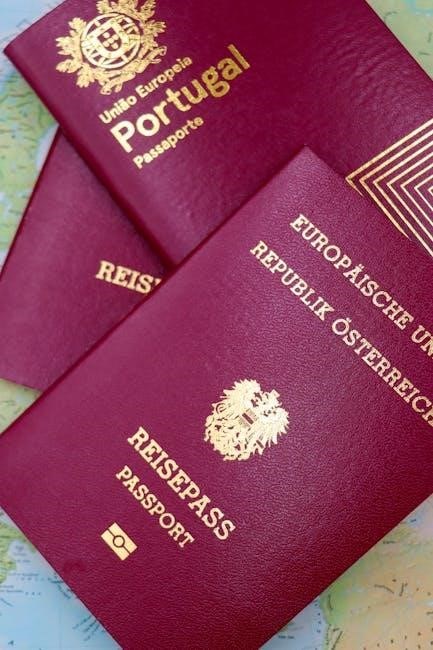
The Japan National Tourism Organization (JNTO) serves as an invaluable resource for prospective visitors, offering comprehensive information regarding travel to Japan, including visa requirements and application guidance. Their official website provides access to the latest updates on visa regulations, downloadable application forms, and detailed explanations of necessary documentation.
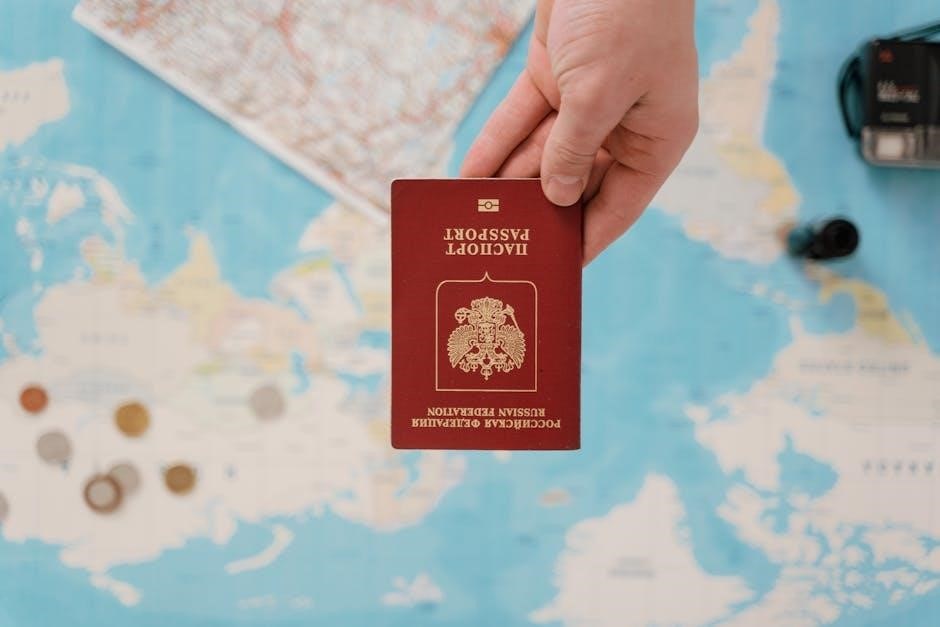
JNTO also offers regional guides, showcasing diverse destinations like Tokyo, Kyoto, and Hokkaido, aiding in itinerary planning. Furthermore, they provide insights into Japanese culture, customs, and etiquette, enhancing your travel experience. The website features links to relevant Japanese government agencies and embassies, facilitating direct access to official information. Utilizing JNTO’s resources can significantly streamline the visa application process and ensure a well-prepared and enjoyable trip to Japan.
Japan Facts and Figures
Japan, an island nation stretching over 1,500 miles in the North Pacific, presents a unique blend of ancient tradition and modern innovation. As a constitutional monarchy and a G7 member, Japan boasts a powerful economy and a globally respected culture. Tokyo, its bustling capital, exemplifies this dynamic contrast.
Understanding Japan’s geographical and political landscape can enrich your travel experience, even during the visa application process. The country’s distinct seasons – from cherry blossoms in spring to vibrant autumn foliage – offer diverse attractions year-round. Knowing Japan maintains a strong military while constitutionally renouncing war provides context to its international role. Familiarizing yourself with these facts enhances appreciation for this fascinating destination, making the preparation for your trip, including the visa application, more meaningful.
Leave a Reply
You must be logged in to post a comment.