Understanding Drug Test Results Forms (PDF)
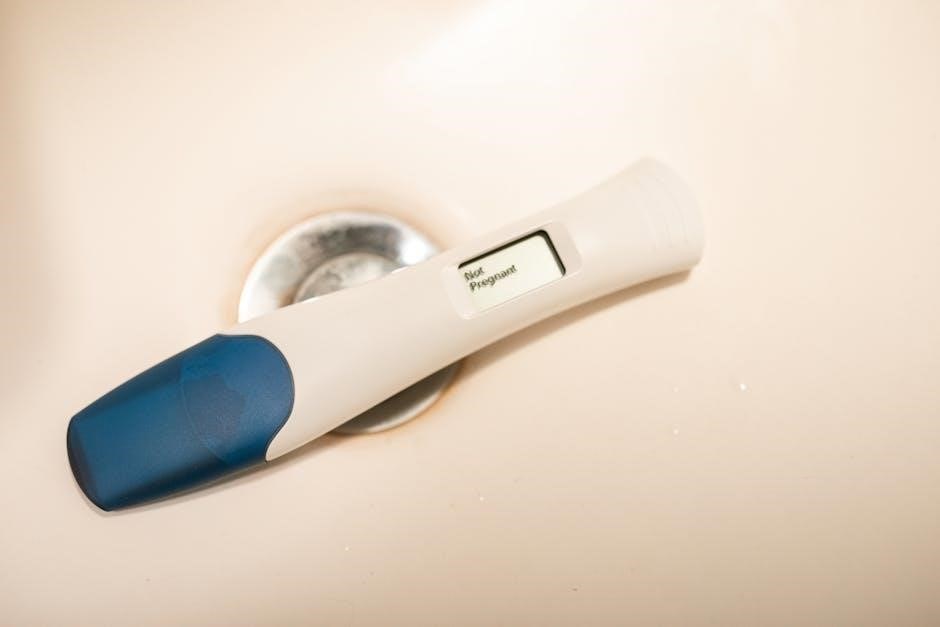
Drug testing forms, often in PDF format, document crucial information regarding sample analysis and results. These forms ensure legal compliance and accurate reporting.
What is a Drug Test Results Form?
A drug test results form, typically a PDF document, is a standardized record detailing the outcome of a substance abuse screening. It meticulously captures data from the initial sample collection through laboratory analysis and, often, a Medical Review Officer (MRO) verification. These forms aren’t simply reports; they are legally significant documents used for pre-employment screening, post-accident investigations, or random testing programs.
The form serves as a comprehensive audit trail, ensuring accountability and adherence to established protocols. It details donor information, testing specifics, and ultimately, the conclusive results – positive or negative – based on pre-defined cut-off levels.
The Purpose of a Standardized Form
A standardized drug test results form, often a downloadable PDF, ensures consistency and clarity in reporting. This uniformity is vital for legal defensibility, particularly concerning DOT regulations, HHS guidelines, or company policies. Standardized forms minimize ambiguity and facilitate accurate data comparison across different testing facilities and administrations.
They streamline the process for MROs, simplifying result verification and reducing potential errors. Furthermore, a consistent format aids in efficient record-keeping and audit trails, crucial for maintaining chain of custody and protecting donor privacy, adhering to HIPAA compliance.
Key Components of a Drug Test Results Form
Forms detail patient data, testing specifics, the drug panel utilized, chain of custody records, and ultimately, the laboratory’s conclusive analytical findings.
Patient/Donor Information Section
This critical section meticulously records identifying details of the individual undergoing testing. Typically, this includes the full legal name, current address, and readily accessible contact numbers for verification purposes. Crucially, the form also requires the date of birth and a unique identification number – often a Social Security Number or Employee ID – to ensure accurate record-keeping and prevent misidentification.
Accurate data entry here is paramount for maintaining the integrity of the entire testing process and ensuring legally defensible results. Any discrepancies must be immediately addressed and corrected.
Name and Contact Details
The form necessitates the donor’s complete legal name, ensuring clarity and avoiding ambiguity. Accurate spelling is vital. Alongside the name, current contact details – a reliable phone number and address – are essential for communication regarding results or any necessary follow-up procedures. This information facilitates prompt notification and verification of identity throughout the testing process.
Providing correct details minimizes delays and ensures the donor can be easily reached if clarification is needed. These details are foundational for maintaining a robust and legally sound testing record.
Date of Birth and Identification Number
Accurate date of birth verification is critical for positive identification, preventing misidentification of donors. This detail, coupled with a unique identification number – such as a Social Security Number (SSN) or Employee ID – strengthens the integrity of the testing process. The inclusion of an SSN or Employee ID is often specified by the testing authority (HHS, NRC, DOT).
These identifiers ensure the results are correctly associated with the individual, maintaining confidentiality and legal defensibility. Proper documentation avoids errors and supports a transparent chain of custody.
Testing Details Section
This section meticulously records specifics about the conducted drug test. It begins with clearly stating the type of drug test performed – for instance, urinalysis, hair follicle testing, or saliva testing. Crucially, it details the drug test panel utilized, such as a standard 5-panel or a more comprehensive 10-panel screen.
Accurate recording of these details is paramount for legal and regulatory compliance, ensuring the validity of the results and maintaining a clear audit trail throughout the testing process.
Type of Drug Test Performed
This critical field specifies the method used for drug detection. Common options include urine testing, the most frequently employed method due to its cost-effectiveness and ease of collection. Hair follicle testing offers a longer detection window, while oral fluid (saliva) testing provides a relatively quick and non-invasive alternative.
The form must clearly indicate which method was utilized, as each has different detection capabilities and implications for result interpretation, impacting the overall accuracy and reliability of the test.
Drug Panel Specification
This section details the specific substances the test screened for. Standardized panels, like the 5-panel and 10-panel drug screens, are commonly used for pre-employment and random testing. A 5-panel typically includes THC, COC (cocaine), PCP (phencyclidine), OPI (opioids), and AMP (amphetamine);
The 10-panel expands this to include additional substances. The form must explicitly list each drug tested, ensuring clarity and transparency regarding the scope of the analysis performed on the provided sample.
Common Drug Panels (5-Panel, 10-Panel)
The 5-panel drug screen remains a widely utilized standard, frequently requested by employers for initial screening processes. Conversely, the 10-panel test offers a broader scope, detecting a wider array of substances. These panels aren’t rigid; customization is possible based on specific industry needs or regulatory requirements.
Forms clearly indicate which panel was utilized, impacting the interpretation of results. Understanding the panel’s composition is vital for accurate assessment and compliance with relevant testing policies and legal guidelines.
Specific Drugs Tested (THC, COC, PCP, OPI, AMP)
Drug test results forms meticulously detail the substances screened for, commonly including THC (tetrahydrocannabinol – marijuana), COC (cocaine), PCP (phencyclidine – angel dust), OPI (opioids – codeine, morphine, heroin), and AMP (amphetamine). These abbreviations are standard on most forms, ensuring clarity.
PDF documents will specify if additional substances are included, or if a limited panel (like THC & COC only) was used. Accurate identification of tested drugs is crucial for proper interpretation and legal defensibility of the test results.
Chain of Custody Information
Maintaining a strict chain of custody is paramount for legally defensible drug test results documented on PDF forms. This section meticulously tracks the sample from collection to laboratory analysis, and finally, to reporting.
Forms require signatures and dates at each transfer point – from the collector to the lab, and during any internal handling. Any break in this documented chain can invalidate the test. Detailed records demonstrate sample integrity and prevent allegations of tampering or misidentification.
Importance of Maintaining Chain of Custody
A robust chain of custody is absolutely critical for the legal defensibility of drug test results recorded on PDF forms. It guarantees the sample’s integrity and authenticity throughout the entire testing process. Any lapse, even a minor one, can compromise the validity of the results, potentially leading to legal challenges.
Proper documentation, including signatures and dated entries at each transfer point, demonstrates accountability and minimizes the risk of tampering or misidentification. This meticulous process ensures reliable and trustworthy outcomes.
Signatures and Dates for Each Transfer Point
Drug test PDF forms require explicit signatures and corresponding dates at every stage of handling – from initial collection to laboratory analysis and final reporting. Each individual involved in the chain of custody must acknowledge their responsibility with a legible signature.
This detailed record verifies the sample’s unbroken path, preventing disputes about its identity or potential compromise. Accurate dating is equally vital, establishing a clear timeline of events. These documented transfers are essential for legally defensible results.
Sample Collection Information
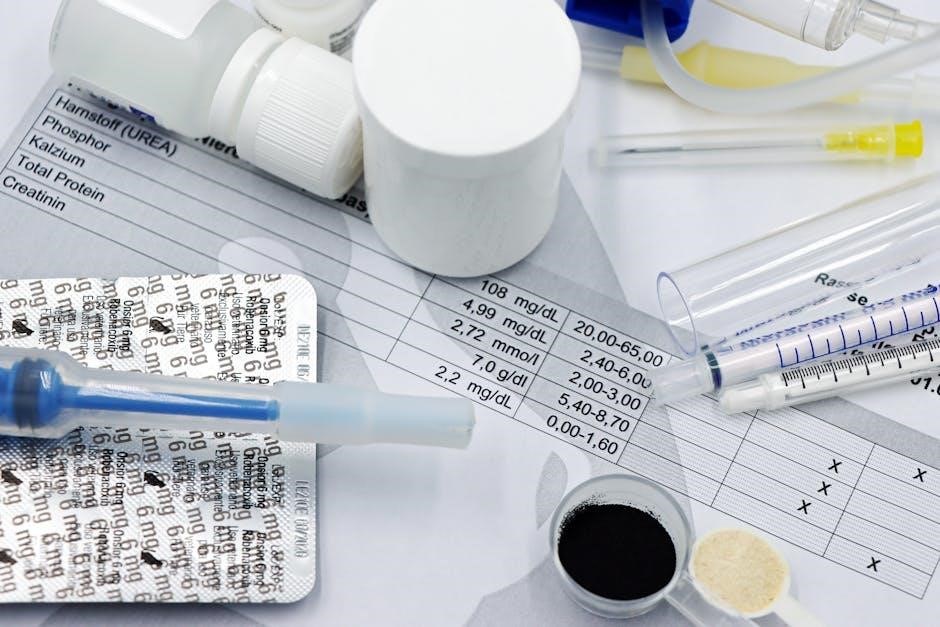
Drug test PDF forms meticulously record sample specifics, including collection type – urine, hair, or saliva – alongside precise date and time details.
Type of Sample Collected (Urine, Hair, Saliva)
Drug test results forms (PDF) clearly indicate the sample type utilized for analysis, with urine being the most common method. However, hair follicle and oral fluid (saliva) collections are also frequently employed, offering varying detection windows. The chosen method impacts the scope of detectable substances and the period over which their presence can be confirmed.
The form will specify which sample was collected, as this directly influences the interpretation of the results. Different testing laboratories may have specific protocols for each sample type, impacting the accuracy and reliability of the drug screening process. Proper documentation of the sample type is therefore essential for maintaining the integrity of the testing procedure.
Collection Date and Time
A precise record of the sample collection date and time is a critical component of any drug test results form (PDF). This information is fundamental to maintaining the chain of custody and ensuring the validity of the test results. Accurate timestamps demonstrate adherence to established protocols and prevent potential challenges to the testing process.
The date and time are meticulously documented to correlate the sample with specific events, such as pre-employment screening or post-accident investigations. Any discrepancies in the recorded time can raise concerns about the integrity of the sample and potentially invalidate the test outcome.
Collector Information
The drug test results form (PDF) necessitates detailed collector information to uphold accountability and ensure proper sample handling. This section typically includes the collector’s full name and professional credentials, verifying their authorization to oversee the collection process. A clear record of the collector’s identity is vital for addressing any questions or concerns regarding the sample acquisition.
Critically, the collector’s signature is required on the form, confirming their direct involvement and attesting to the adherence of established collection procedures. This signature solidifies the chain of custody and provides a legally defensible record of the process.
Name and Credentials of the Collector
A comprehensive drug test results form (PDF) mandates the complete legal name of the individual who directly oversaw the sample collection process. This ensures clear identification and accountability throughout the testing procedure. Beyond the name, the collector’s credentials are essential; this includes certifications or licenses demonstrating their qualification to perform collections;
Listing credentials verifies the collector’s training and adherence to standardized protocols. This information builds confidence in the integrity of the sample handling and the overall testing process, safeguarding against potential challenges to the results’ validity.
Collector’s Signature
The collector’s signature on a drug test results form (PDF) serves as a critical affirmation of procedural adherence and responsibility. This signature legally acknowledges that the sample was collected following established protocols, maintaining the integrity of the chain of custody. It confirms the collector personally witnessed the donor’s sample provision and accurately documented all relevant details.
Alongside the signature, the date of collection is equally vital, establishing a clear timeline; This documentation is paramount for legal defensibility and ensures transparency throughout the testing process, protecting all parties involved.

Laboratory Results Section
This section details the drug test findings, including cut-off levels, whether results are positive or negative, and the units used for reporting.
Cut-off Levels and Interpretation
Drug test results aren’t simply positive or negative; they’re evaluated against pre-defined cut-off levels. These levels represent the minimum concentration of a substance needed to trigger a positive result.
If a substance’s concentration exceeds the cut-off, the result is considered positive. Conversely, concentrations below the cut-off are negative.
Interpretation requires understanding these thresholds, as levels just above the cut-off may warrant further investigation.
Standardized cut-off levels ensure consistency and fairness in testing procedures, adhering to guidelines set by organizations like SAMHSA and DOT.
Positive vs. Negative Results
A drug test result is categorized as either positive or negative, based on comparison to established cut-off levels. A ‘negative’ result indicates that the concentration of the tested substance is below the specified threshold, signifying no evidence of recent use.
Conversely, a ‘positive’ result signifies that the concentration exceeds the cut-off, suggesting potential substance use. However, a positive result doesn’t automatically confirm impairment.
Further review by a Medical Review Officer (MRO) is crucial to verify the result and rule out legitimate medical explanations. Accurate reporting of these results is paramount.
Reporting Units
Drug test results are reported using specific units of measurement, ensuring standardization and comparability across laboratories. Common units include nanograms per milliliter (ng/mL) for urine testing, and picograms per milligram (pg/mg) for hair testing.
The reporting units directly relate to the cut-off levels used to determine positive or negative results. Consistent use of these units is vital for accurate interpretation;
PDF forms clearly indicate the units employed, allowing for proper assessment of the reported concentrations and adherence to regulatory guidelines;

Medical Review Officer (MRO) Review
Drug test results require MRO verification, ensuring medical accuracy and protecting donor privacy, as detailed on the PDF form.

Role of the MRO in Verifying Results
The Medical Review Officer (MRO) plays a critical role in the drug testing process, specifically in reviewing positive laboratory results documented on the PDF form. Their primary responsibility is to determine if a positive result indicates legitimate drug use or if there’s a legally acceptable explanation, such as prescription medication.
The MRO contacts the donor to discuss the findings, requesting information about any medications or medical conditions that could have caused the positive result. This confidential interview is vital for ensuring fairness and accuracy. The MRO then evaluates the information provided and makes a final determination, which is clearly documented on the form, upholding both legal and ethical standards within the drug testing process;
MRO Contact Information
A comprehensive drug test results PDF form must include detailed contact information for the Medical Review Officer (MRO). This typically encompasses the MRO’s full name, professional credentials (like license number), and the name of the reviewing organization. Crucially, the form should list a direct phone number and a secure fax number for confidential communication regarding test results.
Furthermore, a secure email address may be provided for non-urgent inquiries. Accurate and readily available MRO contact details are essential for donors to verify results and discuss any concerns, ensuring transparency and adherence to established testing protocols and legal requirements.
MRO Signature and Date
The Medical Review Officer’s (MRO) signature and the date of review are paramount components of a legally sound drug test results PDF form. This signifies the MRO’s verification of the laboratory findings and their professional assessment of the results, considering any legitimate medical explanations provided by the donor.
The signature demonstrates accountability and confirms that the MRO has thoroughly reviewed the case. The date establishes a clear timeline for the verification process. Both elements are critical for maintaining the integrity of the testing process and ensuring compliance with relevant regulations.

Form Compliance and Legal Considerations
Drug test result PDFs must adhere to HIPAA privacy rules, DOT regulations (if applicable), and HHS guidelines, ensuring legal defensibility and donor rights.
HIPAA Compliance and Privacy
Drug test results, documented on PDF forms, contain sensitive personal health information (PHI) and are therefore subject to strict HIPAA regulations. Maintaining confidentiality is paramount; access must be limited to authorized personnel only.
Forms should avoid unnecessary disclosure and implement security measures to protect against unauthorized access, use, or disclosure. Proper handling of these PDFs, including secure storage and transmission, is crucial.
Donors have rights regarding their PHI, including the right to access their results and request corrections if needed. Organizations utilizing these forms must establish clear policies and procedures to ensure HIPAA compliance and protect individual privacy.
DOT Regulations (If Applicable)
When drug testing falls under Department of Transportation (DOT) regulations, specific requirements apply to the PDF test results forms. These regulations, impacting industries like trucking and aviation, mandate adherence to precise procedures.
Forms must accurately reflect DOT-specified drug panels and cut-off levels. Chain of custody documentation is critically important, ensuring sample integrity from collection to reporting.
Laboratories performing DOT-regulated tests must be certified, and Medical Review Officers (MROs) play a vital role in verifying positive results. Compliance with 49 CFR Part 40 is essential for legal defensibility.
HHS Guidelines (If Applicable)
If the drug test results form pertains to federally mandated testing programs, adherence to Health and Human Services (HHS) guidelines is paramount. These guidelines, detailed in 40 CFR Part 46, outline stringent requirements for accuracy and reliability.
HHS-approved laboratories are essential, and the forms must reflect specific drug panels and confirmation procedures. Proper chain of custody documentation is crucial, mirroring DOT regulations in its importance.
MRO verification remains a key component, ensuring medical review of positive results. Compliance with HHS standards safeguards the integrity of the testing process.
Accessing and Downloading PDF Forms
Numerous online resources offer printable drug testing forms in PDF format, readily available for download and use; pdfFiller is one example.
Online Resources for Drug Test Forms
Drug test forms, particularly in PDF format, are widely accessible through various online platforms. Websites like pdfFiller provide a comprehensive library of fillable and printable forms, streamlining the process for employers and individuals alike. These resources often categorize forms by type – pre-employment, post-accident, or random testing – simplifying the search.
Furthermore, many state and federal agencies offer downloadable forms related to specific regulations, such as DOT compliance. Searching for “drug testing forms PDF” yields numerous results, but verifying the source’s credibility is crucial to ensure the form’s accuracy and legal validity. Always prioritize official or reputable sources when obtaining these documents.
PDF Editing Tools
Several software solutions facilitate editing drug test results forms in PDF format. Adobe Acrobat Pro is a robust option, offering comprehensive editing capabilities, including text modification, form field completion, and digital signatures. Alternatives like pdfFiller and Smallpdf provide user-friendly interfaces for filling, signing, and sharing PDFs online, often with subscription-based access.
These tools are invaluable when pre-populated forms require customization or when manual entries are needed. Ensuring the chosen tool maintains PDF integrity and complies with data security standards is paramount, especially when handling sensitive personal information contained within these documents.
Understanding Form Variations
Drug test forms differ based on purpose—pre-employment, post-accident, or random testing—each requiring specific consent and release documentation for legal validity.
Pre-Employment Drug Testing Forms
Pre-employment drug testing consent and release forms are vital components of the hiring process. These documents, frequently available as PDFs, clearly outline the applicant’s agreement to undergo testing as a condition of employment. They typically include sections for applicant consent, acknowledgement of company drug policies, and authorization to release test results to the employer.
These forms often request essential applicant information, such as name, date of birth, and potentially a Social Security number or employee ID. Specifying the testing authority (HHS, DOT, etc.) is also common. A signed form confirms the applicant understands the implications of the test and willingly participates, establishing a legally sound foundation for employment decisions.
Post-Accident Drug Testing Forms
Post-accident drug testing forms, typically in PDF format, are crucial for maintaining workplace safety and legal defensibility following an incident. These forms document the employer’s reasonable suspicion for testing, often triggered by observable signs or circumstances surrounding the accident. They require detailed incident reports and clear justification for requesting a drug or alcohol test.
The forms ensure proper procedures are followed, including immediate post-accident testing requirements as mandated by regulations like DOT guidelines. They also include sections for employee acknowledgement and consent, alongside spaces for collector signatures and chain-of-custody documentation, guaranteeing the integrity of the sample and results.

Random Drug Testing Forms
Random drug testing forms, commonly available as PDFs, are essential for employers implementing unannounced testing programs. These forms meticulously document the selection process, ensuring impartiality and adherence to legal requirements. They often include details about the random selection method, verifying it’s truly unbiased and compliant with applicable regulations, such as those set by the Department of Transportation (DOT).
The PDF forms typically require signatures from both the employer representative and the employee, confirming consent and acknowledging the random nature of the test. Proper documentation of the selection process is vital for defending against potential legal challenges.
Leave a Reply
You must be logged in to post a comment.