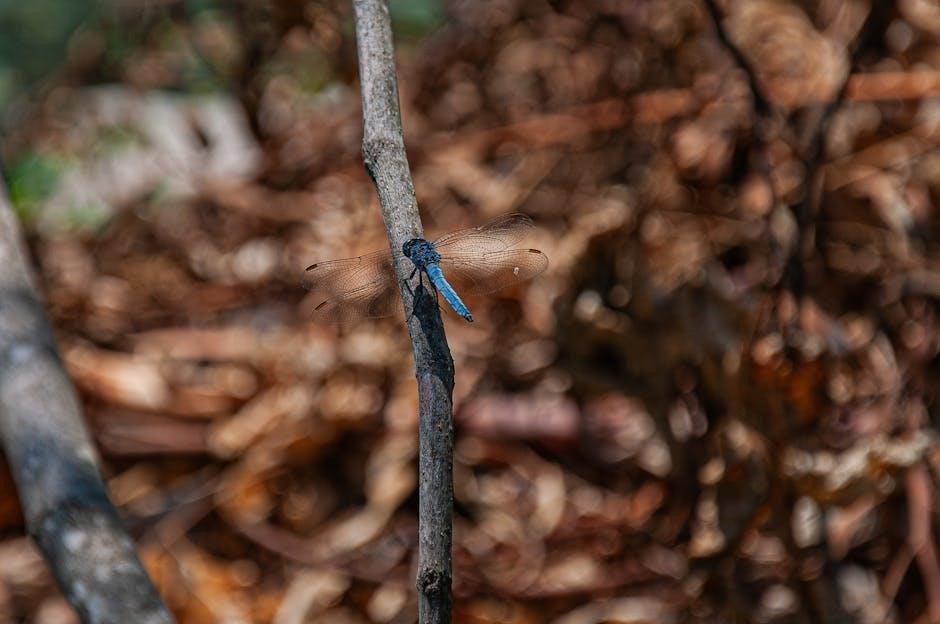
Insect wings exhibit remarkable diversity‚ crucial for flight and survival; WingAnalogy aids in analyzing their morphology․ Studying wing types reveals evolutionary adaptations and ecological roles․
Overview of Insect Wing Morphology
Insect wing morphology is incredibly varied‚ reflecting diverse flight styles and ecological niches․ Wings aren’t simply flat surfaces; they’re complex structures composed of a membrane supported by veins․ These veins provide rigidity and serve as conduits for hemolymph‚ nutrients‚ and nerves․
The basic plan involves a costal margin‚ leading edge‚ trailing edge‚ and apex․ However‚ significant modifications exist․ Some insects‚ like beetles (Coleoptera)‚ possess hardened elytra for protection‚ while others‚ such as flies (Diptera)‚ have reduced hindwings evolved into halteres for balance․ Analyzing these variations‚ aided by tools like WingAnalogy‚ is key to understanding insect evolution and adaptation․ Wing shape‚ size‚ and venation patterns are all crucial morphological characteristics․
Importance of Studying Insect Wing Types
Studying insect wing types is paramount for understanding insect evolution‚ flight mechanics‚ and ecological interactions․ Wing morphology directly correlates with flight performance‚ influencing foraging efficiency‚ dispersal capabilities‚ and predator avoidance․ Analyzing wing asymmetry‚ facilitated by software like WingAnalogy‚ can reveal developmental stress or genetic factors․
Furthermore‚ wing characteristics are vital for taxonomic identification and phylogenetic reconstruction․ Variations in venation patterns and wing shape provide clues about evolutionary relationships․ Understanding how environmental factors‚ such as cold rearing‚ impact wing morphology – as demonstrated in Drosophila studies – highlights the plasticity of these structures and their sensitivity to environmental change․ This knowledge is crucial for conservation efforts and pest management․
Fundamental Wing Structures
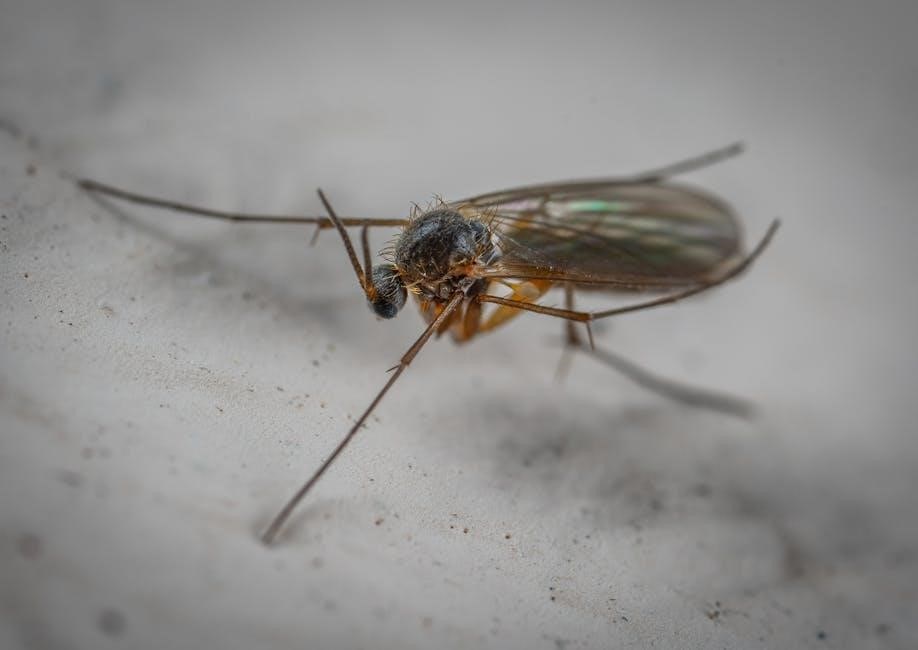
Insect wings comprise veins for support and rigidity‚ a delicate membrane for lift‚ and specialized attachment points enabling complex articulation during flight maneuvers․
Wing Veins and Their Significance
Wing veins are crucial structural components‚ providing essential support to the delicate wing membrane and preventing tearing during flight․ They act as rigid pathways distributing stress and enhancing aerodynamic efficiency․ Venation patterns‚ analyzed with tools like WingAnalogy‚ are not merely supportive; they also contain vital tracheae and nerves‚ supplying oxygen and coordinating muscle function․
The arrangement of veins – their branching and connections – is a key characteristic for insect identification and phylogenetic studies․ Variations in venation reflect evolutionary relationships and adaptations to specific flight styles․ Abnormalities in vein development‚ potentially linked to environmental factors during larval and pupal stages‚ can impact flight performance‚ highlighting their significance for overall insect health and survival․
Membrane Structure and Composition
The insect wing membrane‚ a thin and resilient layer‚ is primarily composed of two cuticular layers – the epicuticle and the procuticle – secreted by the epidermal cells․ This structure provides a lightweight yet durable surface essential for aerodynamic function․ Its composition includes chitin‚ proteins‚ and lipids‚ contributing to its flexibility and resistance to damage․
Variations in membrane thickness and composition correlate with flight performance and environmental adaptations․ Analyzing these features‚ potentially aided by image processing techniques‚ reveals insights into wing evolution․ The membrane’s integrity is vital; any disruption can compromise flight capability‚ emphasizing the importance of understanding its structural components and their interplay․
Attachment Points and Articulation
Insect wings attach to the thorax via specialized articulation points‚ allowing for complex movements crucial for flight․ These attachment sites involve the basal hinge‚ enabling up-and-down flapping‚ and the axillary sclerites‚ contributing to rotational control․ The notal cavity houses the wing base‚ providing a flexible yet secure connection․
Variations in articulation complexity correlate with flight styles; more sophisticated joints enable greater maneuverability․ Analyzing these points‚ potentially with WingAnalogy software‚ reveals evolutionary adaptations․ Proper articulation is vital for efficient flight; any restriction or damage can severely impair an insect’s ability to fly and survive․
Major Types of Insect Wings
Insect wings diversify into membranous‚ halteres‚ and elytra forms‚ each adapted for specific functions like flight‚ balance‚ or protection‚ showcasing evolutionary innovation․
Membranous Wings
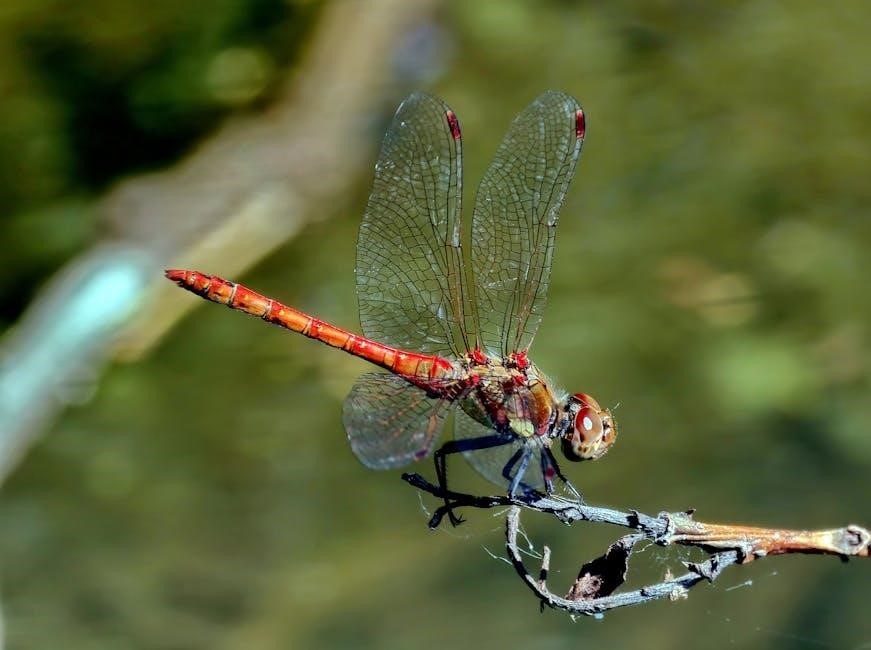
Membranous wings represent the most common and ancestral insect wing type‚ characterized by a thin‚ transparent‚ and generally broad structure supported by a network of veins․ These veins provide both structural support and facilitate the transport of hemolymph‚ contributing to wing rigidity and flexibility during flight․ The wing membrane itself is composed of two cuticular layers‚ the upper and lower epicuticle‚ and a thicker exocuticle․
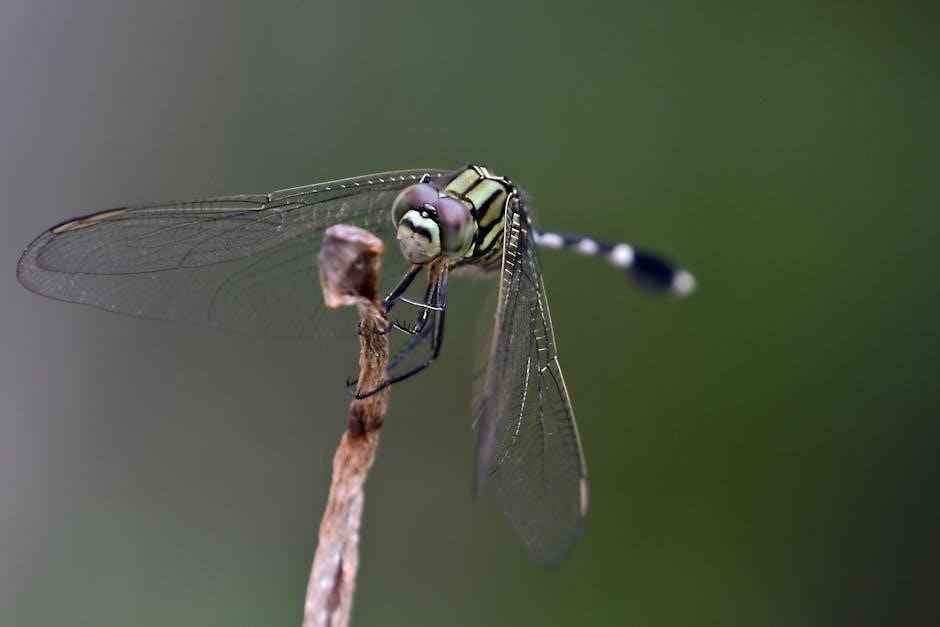
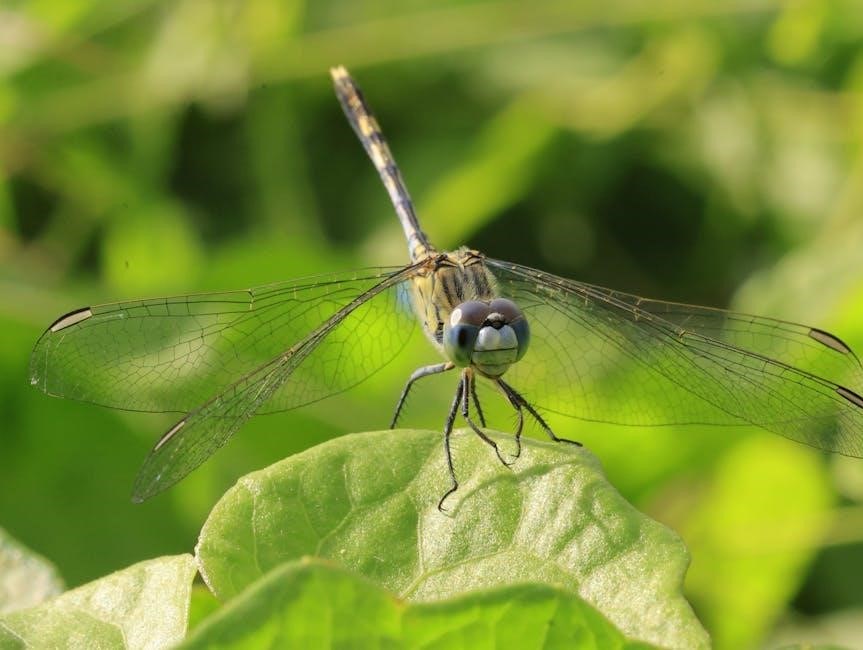
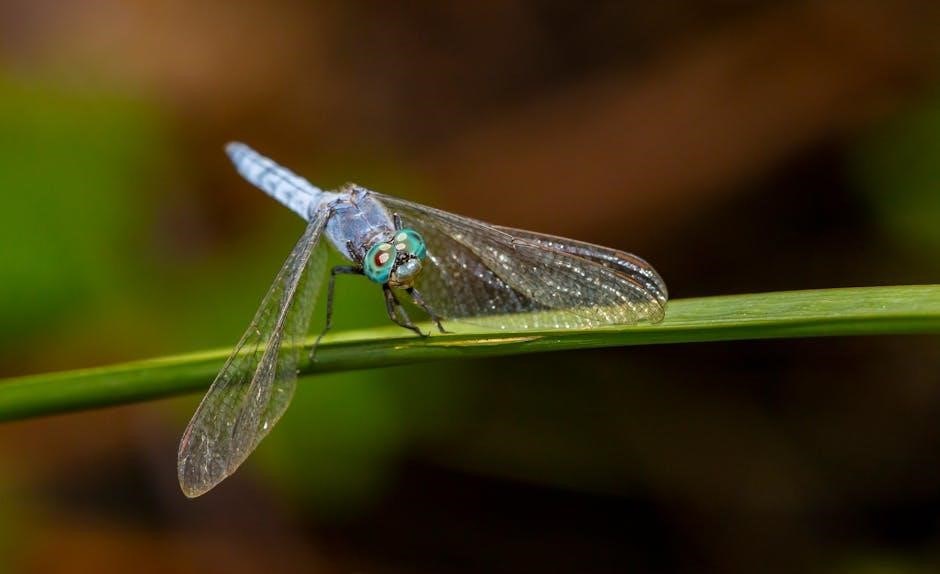
Dragonflies (Odonata) and grasshoppers (Orthoptera) exemplify insects possessing membranous wings‚ though their venation patterns differ significantly․ Dragonfly wings are typically densely veined‚ providing exceptional maneuverability‚ while grasshopper wings exhibit a more simplified venation․ The flexibility of these wings allows for efficient aerodynamic performance‚ enabling sustained flight and precise control․
Characteristics of Membranous Wings
Membranous wings are defined by their delicate‚ film-like texture and transparency‚ directly linked to their thin cuticular composition․ A defining feature is the prominent network of veins‚ providing essential structural support while remaining lightweight․ These veins aren’t merely supportive; they also house tracheae‚ nerves‚ and hemolymph‚ vital for wing function․
Unlike other wing types‚ membranous wings lack significant scales or other covering structures․ Their flexibility allows for complex wing movements crucial for efficient flight․ The wing surface is typically smooth‚ optimizing airflow․ Variations in vein patterns and wing shape reflect adaptations to specific flight styles and ecological niches‚ showcasing evolutionary diversity․
Examples: Dragonflies and Grasshoppers
Dragonflies (Odonata) exemplify membranous wings‚ possessing two pairs of similarly sized‚ intricately veined wings enabling exceptional maneuverability․ Their independent wing control allows hovering‚ backward flight‚ and rapid directional changes – crucial for aerial predation․
Grasshoppers (Orthoptera) also showcase membranous wings‚ though with distinct characteristics․ They have forewings (tegmina) that are narrower and leathery‚ protecting the larger‚ functional hindwings used for flight․ This arrangement provides both protection during rest and efficient flight capability․ Both demonstrate the adaptability of membranous wings to diverse lifestyles and ecological demands․
Halteres
Halteres are modified hindwings found exclusively in Diptera (true flies)‚ serving as crucial gyroscopic organs for flight stabilization․ These small‚ club-shaped structures oscillate rapidly during flight‚ detecting changes in the fly’s body rotation and providing sensory feedback to the nervous system․
Their evolutionary origin traces back to fully functional wings‚ gradually reducing in size and becoming specialized for sensory input․ WingAnalogy could potentially aid in tracing this evolutionary pathway․ This adaptation allows flies to perform complex aerial maneuvers with remarkable precision‚ compensating for imbalances and maintaining stable flight even in turbulent conditions․
Function of Halteres in Diptera
Halteres function as sophisticated gyroscopic sensors‚ detecting angular acceleration during flight in Diptera․ They don’t generate lift but instead provide crucial feedback to the nervous system regarding body rotation․ This sensory input allows for rapid adjustments to wing movements‚ maintaining stability and precise control․
The rapid oscillation of halteres‚ coupled with specialized sensory structures at their base‚ enables flies to react almost instantaneously to changes in flight direction․ WingAnalogy could be instrumental in quantifying the relationship between haltere movement and flight performance․ Without functional halteres‚ flies exhibit impaired balance and difficulty coordinating flight;
Evolutionary Origin of Halteres
Halteres are believed to have evolved from the mesothoracic wings of ancestral Diptera․ Over evolutionary time‚ these wings became reduced in size and specialized for sensory function rather than flight․ Genetic studies support this theory‚ demonstrating that halteres express genes normally associated with wing development․
This transformation represents a remarkable example of evolutionary repurposing‚ where a structure originally used for one function—flight—was modified to serve a completely different role—sensory feedback․ Analyzing wing venation patterns‚ potentially with tools like WingAnalogy‚ can offer insights into this evolutionary transition․
Elytra
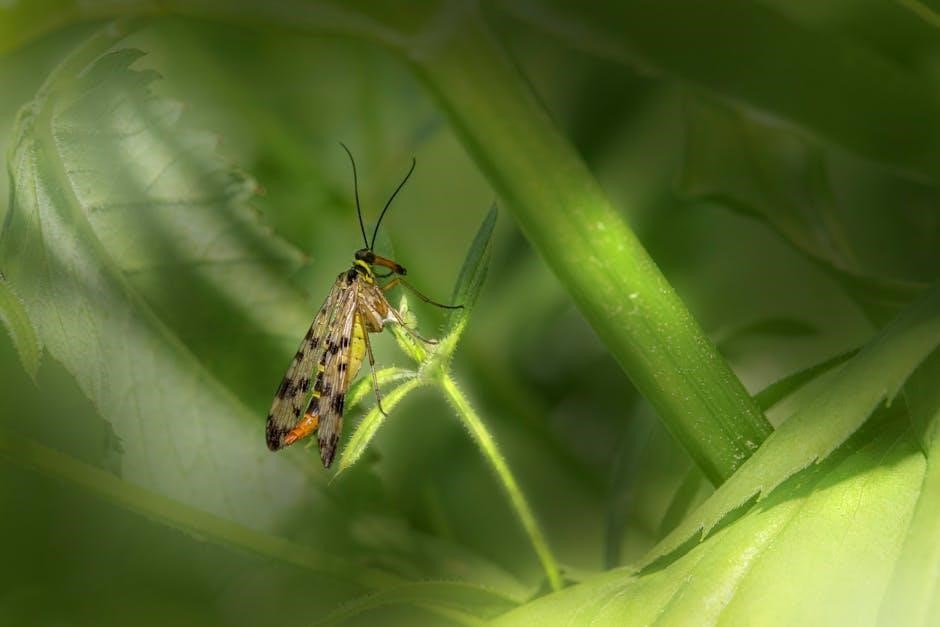
Elytra are hardened forewings found in beetles (Coleoptera)‚ serving primarily as protective covers for the delicate hindwings and abdomen․ Unlike functional wings‚ elytra are not directly involved in flight‚ though they play a crucial role in streamlining airflow and protecting against damage and desiccation․
These hardened structures often exhibit distinct coloration and patterns‚ contributing to species recognition and camouflage․ While not used for lift‚ elytra can assist in flight stability․ Detailed morphological analysis‚ potentially aided by software like WingAnalogy‚ can reveal variations in elytral structure and their impact on beetle ecology․
Protective Function of Elytra
Elytra‚ the hardened forewings of beetles‚ provide substantial physical protection to the vulnerable hindwings and the delicate abdominal segments․ This shielding is critical against mechanical damage from impacts‚ abrasion during burrowing‚ and predation attempts․ Furthermore‚ elytra minimize water loss‚ safeguarding against desiccation in arid environments․
The robust nature of elytra also offers a degree of insulation‚ protecting the beetle from temperature fluctuations․ Analysis of elytral thickness and structure‚ potentially utilizing tools like WingAnalogy for comparative morphology‚ reveals adaptations linked to specific habitats and lifestyles․ This protective role is paramount for beetle survival․
Examples: Beetles (Coleoptera)
Beetles (Coleoptera) exemplify insects with elytra – hardened‚ protective forewings․ Ladybugs utilize their brightly colored elytra for warning signals‚ while ground beetles employ them for robust protection during soil navigation․ Weevils showcase elongated elytra forming a protective snout․
The diverse shapes and textures of beetle elytra reflect varied ecological niches․ Studying elytral morphology‚ potentially aided by software like WingAnalogy‚ reveals adaptations for camouflage‚ flight efficiency‚ and defense․ These structures demonstrate the evolutionary success of beetles‚ showcasing the protective benefits of elytra across numerous species․
Specialized Wing Adaptations
Insect wings display unique adaptations like scales‚ fringes‚ and hamuli‚ enhancing functionality․ These modifications reflect diverse ecological pressures and evolutionary pathways․
Scaled Wings
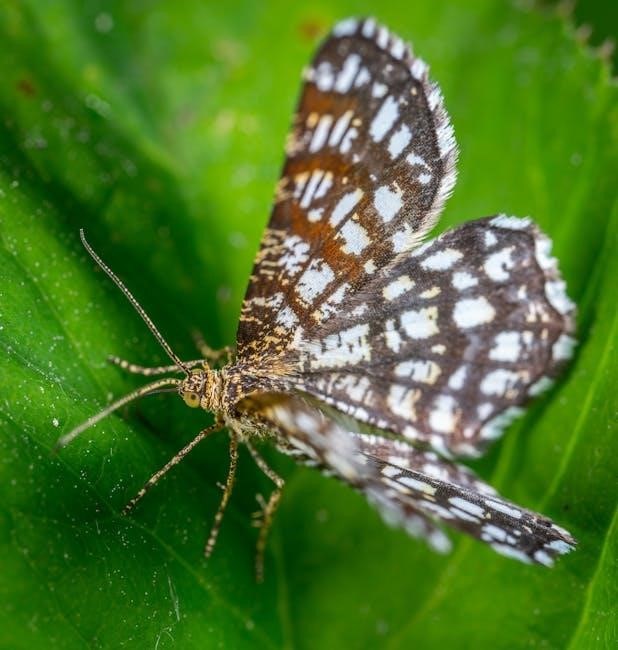
Scaled wings‚ characteristic of Lepidoptera (butterflies and moths)‚ are covered in numerous‚ tiny scales – modified‚ flattened setae․ These scales aren’t just for color; they provide insulation‚ aid in flight efficiency‚ and contribute to aerodynamic properties․ The structure of scales includes a central vein and lamellar arrangement‚ influencing light diffraction and creating vibrant patterns․
Scales also play a role in predator avoidance and mate attraction․ Damage to scales impacts flight performance‚ highlighting their functional significance․ Analyzing scale morphology can reveal taxonomic relationships and evolutionary history within Lepidoptera․ The intricate arrangement and composition of scales demonstrate a remarkable adaptation for aerial life․
Structure and Function of Scales
Insect wing scales possess a complex structure: a central vein supports a flattened lamina with ridges and cross-ribs․ This architecture enhances strength while minimizing weight‚ crucial for flight․ Pigments within the scales‚ or structural coloration via nanoscale arrangements‚ generate diverse hues․ Scales interlock‚ creating a smooth surface reducing turbulence․
Functionally‚ scales provide thermal insulation‚ protecting against temperature fluctuations․ They also contribute to aerodynamic efficiency‚ influencing airflow․ Scale loss impairs flight‚ demonstrating their importance․ Furthermore‚ scales release pheromones for communication and act as a physical defense against abrasion․ Their intricate design exemplifies evolutionary optimization․
Examples: Butterflies and Moths (Lepidoptera)
Lepidoptera‚ encompassing butterflies and moths‚ showcase spectacularly scaled wings․ These scales‚ as previously discussed‚ create vibrant patterns for camouflage‚ mate attraction‚ and warning signals․ Wing size and shape vary greatly between species‚ influencing flight style – from the rapid fluttering of butterflies to the more deliberate flight of moths․
Wing venation patterns in Lepidoptera are also distinctive‚ aiding in species identification․ Scale loss can impact flight performance‚ highlighting their functional significance․ Studying wing morphology in these insects provides insights into evolutionary relationships and adaptation to diverse environments․ WingAnalogy could be used to analyze these complex structures․
Fringed Wings
Fringed wings‚ characteristic of the order Trichoptera (Caddisflies)‚ possess a unique morphology․ These wings are distinguished by a dense array of long‚ hair-like fringes along their trailing edges․ These fringes aren’t merely ornamental; they significantly enhance aerodynamic efficiency‚ particularly in slow‚ maneuvering flight․
The fringes effectively increase the wing surface area‚ improving lift at low speeds․ This adaptation is crucial for navigating complex habitats like streamsides and forests․ Wing shape and fringe density vary among species‚ reflecting specific flight requirements․ Analyzing these features‚ potentially with tools like WingAnalogy‚ reveals evolutionary adaptations to their environments․
Characteristics of Fringed Wings
Fringed wings‚ found predominantly in Trichoptera (Caddisflies)‚ are defined by exceptionally long‚ dense setae – hair-like structures – along the wing margins․ These fringes aren’t uniform; their length and density vary considerably between species‚ influencing flight performance․
The primary characteristic is the increased surface area provided by the fringes‚ enhancing lift generation at lower airspeeds․ This adaptation facilitates precise maneuvering within cluttered environments․ Furthermore‚ the fringes contribute to sound dampening during flight‚ potentially reducing predation risk․ Detailed morphological analysis‚ aided by software like WingAnalogy‚ can quantify fringe characteristics and correlate them with flight behavior․
Examples: Trichoptera (Caddisflies)
Trichoptera‚ commonly known as Caddisflies‚ showcase remarkable wing adaptations․ Many species possess distinctly fringed wings‚ a defining characteristic enabling maneuverability in complex habitats․ Rhyacophila‚ a genus of caddisflies‚ exemplifies this‚ utilizing fringes for stable flight near water surfaces․
These insects often inhabit streams and rivers‚ where precise flight control is vital for navigating vegetation and avoiding predators․ Wing morphology‚ including fringe density‚ is subject to environmental influences during larval and pupal development․ Tools like WingAnalogy assist researchers in quantifying these variations‚ linking them to ecological factors and evolutionary pressures within diverse Caddisfly populations․
Hamulate Wings
Hamulate wings‚ found predominantly in Hymenoptera (bees‚ wasps‚ and ants)‚ exhibit a unique “hook and loop” mechanism for efficient flight․ Tiny hooks‚ called hamuli‚ on the forewing connect to a fold on the hindwing‚ creating a unified flight surface․ This coupling enhances aerodynamic performance‚ particularly during complex maneuvers․
This intricate system allows for synchronized wingbeats‚ maximizing lift and control․ Variations in hamuli number and morphology are subject to study using tools like WingAnalogy‚ revealing evolutionary adaptations linked to flight style and ecological niche․ Environmental factors during development can also influence hamulate structure‚ impacting flight efficiency․
Hook and Loop Mechanism
The hook and loop mechanism in Hymenopteran wings is a marvel of natural engineering․ Minute‚ curved hooks – the hamuli – located along the anterior margin of the forewing‚ interlock with a corresponding fold‚ or frenulum‚ on the posterior margin of the hindwing․ This creates a resilient‚ yet detachable‚ connection during flight․
This ingenious system ensures synchronized wing movement‚ crucial for the agile flight patterns observed in bees and wasps․ Analysis using software like WingAnalogy can quantify hamuli number and morphology‚ revealing correlations with flight performance․ Developmental conditions can influence the integrity of this mechanism‚ impacting aerodynamic efficiency and overall flight capability․
Examples: Hymenoptera (Bees‚ Wasps‚ Ants)
Hymenoptera – encompassing bees‚ wasps‚ and ants – exemplify the functional brilliance of hamulate wings․ Their flight relies on the precise coupling of forewings and hindwings via the hook and loop mechanism․ This allows for coordinated aerial maneuvers‚ essential for foraging‚ nest building‚ and defense․
Variations in wing morphology within Hymenoptera correlate with lifestyle; for instance‚ honeybees possess larger wings for efficient nectar collection․ Researchers utilize tools like WingAnalogy to analyze wing venation and shape‚ linking these features to flight performance and species identification․ Studying these wings provides insights into evolutionary adaptations․
Wing Venation Patterns
Wing venation‚ the network of veins‚ provides structural support and carries hemolymph․ WingAnalogy assists in analyzing these patterns‚ revealing evolutionary relationships and flight capabilities․
Basic Venation Terminology
Understanding insect wing venation requires specific terminology․ Longitudinal veins run along the wing’s length‚ including the costa (leading edge)‚ radius‚ media‚ and cubitus․ Crossveins connect longitudinal veins‚ providing structural stability․ The radial sector and cubital sector are important branching points․ WingAnalogy software aids in identifying and analyzing these features․ Key terms include the stigma‚ a thickened vein section‚ and the pterostigma‚ a small club-shaped structure near the wingtip․
These structures contribute to wing aerodynamics and flight efficiency․ Accurate identification of these veins and sectors is crucial for phylogenetic studies and understanding insect evolution․ Analyzing venation patterns‚ facilitated by tools like WingAnalogy‚ reveals relationships between different insect groups and their adaptations․
Different Venation Patterns and Their Significance
Insect wings display diverse venation patterns‚ reflecting evolutionary history and flight styles․ Clavenerous‚ neurous‚ and sphenopterous patterns represent fundamental variations․ Reticulate venation‚ common in many insects‚ features a network of interconnected veins․ Longitudinal veins provide primary support‚ while crossveins enhance rigidity․ WingAnalogy assists in classifying these patterns accurately․
Venation patterns correlate with flight capabilities; for example‚ reduced venation often indicates faster flight․ Studying these patterns aids in insect classification and understanding their ecological roles․ Analyzing wing asymmetry‚ a feature WingAnalogy can quantify‚ can reveal developmental stress or genetic factors influencing wing morphology and flight performance․
Wing Asymmetry Analysis
Wing asymmetry‚ variations in shape or venation between left and right wings‚ provides insights into insect development and environmental influences․ Factors like larval conditions – as noted in studies on developmental abnormalities – can induce asymmetry․ WingAnalogy software facilitates precise quantification of these subtle differences‚ measuring parameters beyond simple visual assessment․
Asymmetry analysis can reveal developmental stress‚ genetic mutations‚ or directional selection pressures․ Significant asymmetry may correlate with reduced flight performance or altered mating success․ Researchers utilize this technique to understand how environmental factors‚ like cold rearing impacting Drosophila morphology‚ affect wing development and overall fitness․
Wing Development and Variation
Insect wing development occurs during larval and pupal stages‚ influenced by environmental factors; abnormalities can arise from weather conditions during these critical phases․
Wing Development in Insect Larvae and Pupae
Insect wing development is a fascinating process occurring primarily during the larval and pupal stages․ Initially‚ wing imaginal discs‚ present within the larva‚ remain largely undifferentiated․ These discs undergo significant growth and morphogenesis during the pupal stage‚ responding to hormonal cues and genetic programming․
The process involves cell proliferation‚ differentiation‚ and programmed cell death‚ shaping the intricate venation patterns and overall wing structure․ Environmental factors‚ such as temperature‚ demonstrably influence this development‚ impacting final wing morphology․ Research indicates that cold rearing in Drosophila‚ for example‚ can alter wing characteristics‚ enhancing cold-flight performance․ Any disruptions during these stages can lead to wing abnormalities‚ reflecting developmental instability․
Influence of Environmental Factors on Wing Morphology
Environmental conditions exert a substantial influence on insect wing development and resulting morphology․ Weather patterns during larval and pupal stages are particularly critical‚ directly impacting wing venation and size․ Fluctuations in temperature‚ for instance‚ can induce wing abnormalities‚ serving as indicators of developmental stress․
Studies demonstrate that cold rearing can positively affect cold-flight performance in Drosophila through alterations in wing shape and structure․ These changes represent adaptive responses to environmental pressures․ Consequently‚ wing morphology can act as a sensitive bioindicator‚ reflecting the ecological conditions experienced by the insect during its development‚ providing valuable insights into environmental history․
Wing Abnormalities and Their Causes
Wing abnormalities in insects are frequently linked to disruptions during larval and pupal development․ These can manifest as distortions in venation patterns‚ incomplete wing expansion‚ or asymmetrical growth․ Environmental stressors‚ such as unfavorable weather conditions during critical developmental stages‚ are often implicated as primary causes․
Genetic factors and exposure to toxins can also contribute to wing defects․ The occurrence of such abnormalities provides valuable insights into insect health and the impact of environmental change․ Analyzing these deviations‚ potentially with tools like WingAnalogy‚ aids in understanding developmental processes and assessing ecological risks․
Tools for Wing Analysis
WingAnalogy software automates insect wing morphology and asymmetry analysis‚ facilitating project management and image import for detailed examination of wing structures․
WingAnalogy Software
WingAnalogy represents a significant advancement in entomological research‚ offering a dedicated computational tool for the automated analysis of insect wing morphology and asymmetry․ This software streamlines the process of examining wing characteristics‚ enabling researchers to efficiently import pairs of wing images for detailed comparative study․
Its core functionality centers around facilitating project management‚ ensuring organized data handling and analysis․ WingAnalogy isn’t merely a measurement tool; it’s a comprehensive platform designed to support in-depth investigations into wing shape‚ venation patterns‚ and subtle asymmetries that can reveal crucial insights into insect evolution‚ development‚ and physiological condition․ The software’s automated features reduce manual effort and enhance the accuracy of morphological assessments․
Image Processing Techniques for Wing Morphology
Analyzing insect wings often necessitates sophisticated image processing techniques to extract meaningful data․ Initial steps involve image enhancement – adjusting contrast and brightness to clarify wing venation and membrane structures․ Edge detection algorithms then delineate wing boundaries and veins‚ creating precise outlines for measurement․
Further analysis employs techniques like geometric morphometrics‚ quantifying shape variations by landmark-based analysis․ Automated segmentation isolates specific wing regions for detailed examination․ These methods‚ often integrated with software like WingAnalogy‚ allow researchers to move beyond subjective assessments and obtain objective‚ quantifiable data on wing morphology‚ crucial for understanding evolutionary adaptations and developmental processes․
Automated Wing Measurement and Analysis
WingAnalogy exemplifies the power of automated systems for insect wing analysis‚ streamlining data collection and reducing researcher bias․ These tools facilitate precise measurements of wing length‚ width‚ aspect ratio‚ and vein angles․ Automated asymmetry analysis identifies subtle differences between left and right wings‚ potentially indicating developmental stress or genetic factors․
Beyond basic morphometrics‚ automated systems can quantify complex features like cell shapes within the wing membrane․ This detailed analysis‚ coupled with statistical modeling‚ allows researchers to explore correlations between wing morphology‚ flight performance‚ and environmental conditions․ Such automated approaches are vital for large-scale studies and comparative analyses across diverse insect species․
Leave a Reply
You must be logged in to post a comment.