Navigating the world of men’s business shoes requires understanding style, construction, and appropriateness for various professional settings. This guide
will illuminate essential choices.
Footwear significantly impacts a professional image, conveying competence and attention to detail; selecting the right shoes demonstrates respect for workplace norms.
Decoding dress codes is crucial; from formal environments demanding Oxfords to business-casual settings where loafers may suffice, informed decisions are paramount.
The Importance of Footwear in Professional Settings
Footwear serves as a foundational element of any professional ensemble, extending far beyond mere functionality. It’s a powerful non-verbal communicator, instantly conveying messages about attention to detail, respect for the environment, and personal style. In the corporate landscape, where first impressions are paramount, the right shoes can significantly influence perceptions of competence and credibility.
Choosing appropriate business shoes demonstrates an understanding of workplace norms and a commitment to presenting a polished image. A well-maintained pair of leather shoes signals professionalism, while scuffed or inappropriate footwear can detract from an otherwise impeccable appearance. This is especially critical in client-facing roles or during important meetings and presentations.
Moreover, comfortable and well-fitting shoes contribute to overall well-being and confidence. Spending long hours on your feet demands footwear that provides adequate support and cushioning, allowing you to focus on your tasks without distraction. Investing in quality business shoes is, therefore, an investment in your professional success and personal comfort.
Understanding Dress Codes and Shoe Choices
Navigating workplace dress codes requires careful consideration of shoe selection. Formal environments typically mandate classic leather Oxfords in black or dark brown, projecting authority and sophistication. These settings often necessitate a polished, conservative aesthetic, leaving little room for experimentation.
Business-casual workplaces offer greater flexibility. Derby shoes, monk straps, or even well-maintained loafers can be appropriate, allowing for a touch of personal style while maintaining a professional appearance. Suede options may be acceptable, but always assess the overall office culture.
Crucially, understanding the nuances of each dress code is vital. Some companies may permit darker shades of brown, while others strictly enforce black-only policies. When in doubt, err on the side of caution and opt for a more formal shoe. Observing colleagues and seeking clarification from HR can provide valuable insights, ensuring your footwear aligns with expectations.
Core Styles of Men’s Business Shoes
Essential men’s business shoe styles include Oxfords, Derbies, Monk Straps, and Loafers, each offering unique aesthetics and levels of formality for diverse professional needs.
Oxford Shoes: The Classic Choice
Oxford shoes represent the pinnacle of men’s formal footwear, characterized by their closed lacing system – meaning the eyelet tabs are stitched under the vamp (the front part of the shoe). This construction creates a sleek, streamlined appearance, making them ideal for high-stakes business environments and formal occasions.
Historically, Oxfords originated as a student shoe at Oxford University, but they quickly evolved into a symbol of sophistication and professionalism. They are typically crafted from high-quality leather, such as calfskin, and are available in various colors, with black being the most formal and versatile choice.

Within the Oxford family, variations exist, including the Cap-Toe Oxford (featuring a horizontal seam across the toe) and the Wholecut Oxford (made from a single piece of leather, offering a minimalist aesthetic). When selecting Oxfords, prioritize a well-defined shape and a polished finish to maximize their impact. They pair seamlessly with suits and are a cornerstone of any discerning gentleman’s wardrobe.
Derby Shoes: A Versatile Option
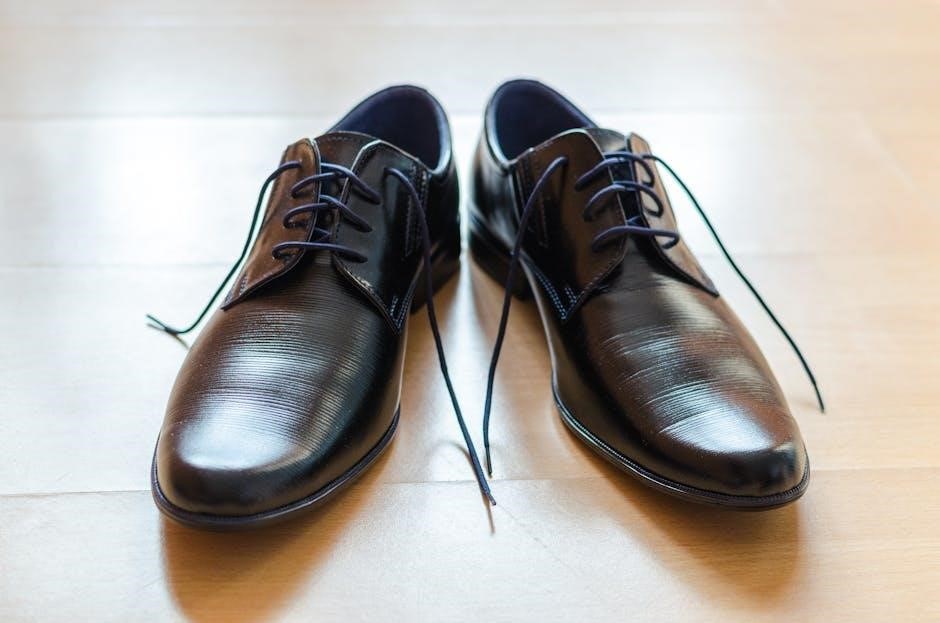
Derby shoes, often called bluchers, offer a slightly more relaxed yet still highly respectable alternative to Oxfords. The key distinction lies in their open lacing system – the eyelet tabs are stitched on top of the vamp, creating a more casual and comfortable fit. This construction makes them incredibly versatile, suitable for a wider range of business settings.
Derbies excel in environments where a polished appearance is desired, but a strict formal dress code isn’t enforced. They pair well with suits, blazers, and even smart-casual trousers. Like Oxfords, they are commonly crafted from leather and come in various colors, including brown, burgundy, and black.
Derby shoes are an excellent choice for those seeking a balance between formality and comfort. They are particularly well-suited for individuals who spend considerable time on their feet. Consider brogueing (decorative perforations) for added visual interest and personality, while maintaining a professional aesthetic.
Monk Strap Shoes: Adding a Touch of Style
Monk strap shoes represent a sophisticated departure from traditional lace-up designs, offering a distinctive and fashionable alternative for the discerning professional. Characterized by one or, more commonly, two straps and buckles instead of laces, they exude confidence and individuality. This unique fastening system immediately elevates an outfit, showcasing a refined sense of style.
While not as universally formal as Oxfords, monk straps are perfectly acceptable in many business environments, particularly those that embrace a modern aesthetic. They pair exceptionally well with tailored trousers, chinos, and blazers, creating a polished yet contemporary look. Leather is the predominant material, available in classic colors like black and brown.
Monk straps are ideal for men who want to express their personality through their footwear. They demonstrate attention to detail and a willingness to embrace a slightly bolder style, while still maintaining a professional demeanor.
Loafers: For Business Casual Environments
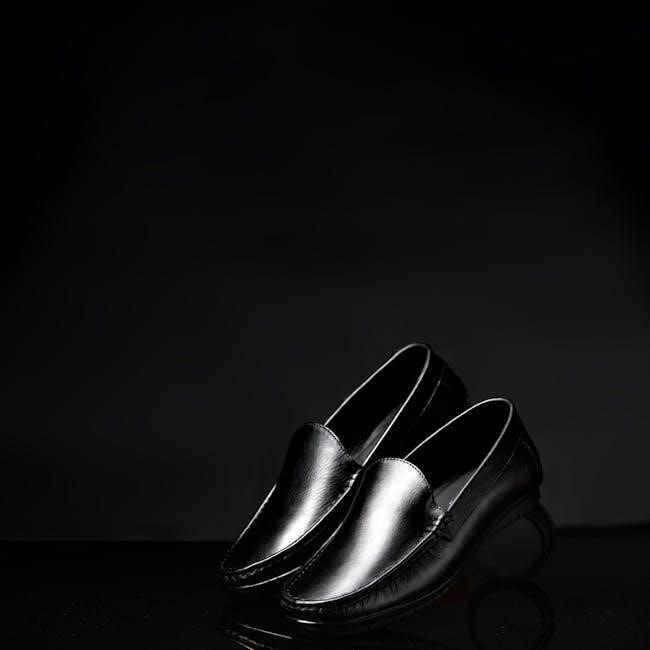
Loafers are the quintessential choice for business casual settings, offering both comfort and style without sacrificing professionalism. These slip-on shoes, lacking laces or buckles, provide a relaxed yet refined aesthetic, making them ideal for offices with less stringent dress codes. From penny loafers to horsebit loafers, variations cater to diverse tastes.
Leather loafers, particularly in brown or burgundy, are incredibly versatile, pairing seamlessly with chinos, khakis, and even tailored trousers. Suede loafers offer a more casual option, suitable for warmer months or less formal workplaces. Avoiding overly embellished or brightly colored loafers is key to maintaining a professional appearance.
Loafers strike a perfect balance between comfort and sophistication, allowing for all-day wear without compromising on style. They represent a smart and practical choice for the modern professional navigating a business casual environment.
Detailed Look at Shoe Construction
Understanding shoe construction reveals quality and style nuances. Key elements like cap toes, wingtips, brogueing, and wholecuts define a shoe’s formality and aesthetic appeal.
Cap Toe Shoes: A Formal Staple
Cap toe shoes represent a cornerstone of formal men’s footwear, embodying understated elegance and versatility. Characterized by a horizontal seam across the toe box, showcasing a contrasting piece of leather – the “cap” – these shoes strike a perfect balance between classic design and contemporary appeal.
Typically constructed as Oxfords, cap toes are ideal for business settings, interviews, and formal events. The simplicity of the design lends itself well to both black and brown leather options, offering flexibility in coordinating with suits and trousers. A well-maintained cap toe shoe projects an image of sophistication and professionalism.
The cap itself can vary in shape and size, influencing the shoe’s overall aesthetic. A more rounded cap offers a softer look, while a sharper, more defined cap exudes a bolder, more assertive style. Regardless of the specific design, the cap toe remains a timeless and essential addition to any discerning gentleman’s wardrobe, ensuring a polished and refined appearance.
Wingtip Shoes: Pattern and Personality
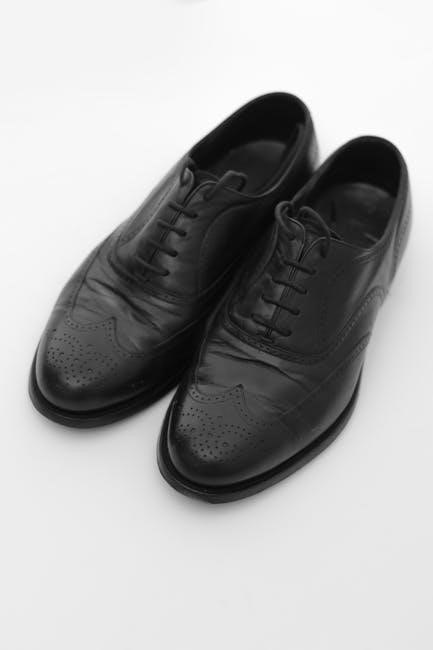
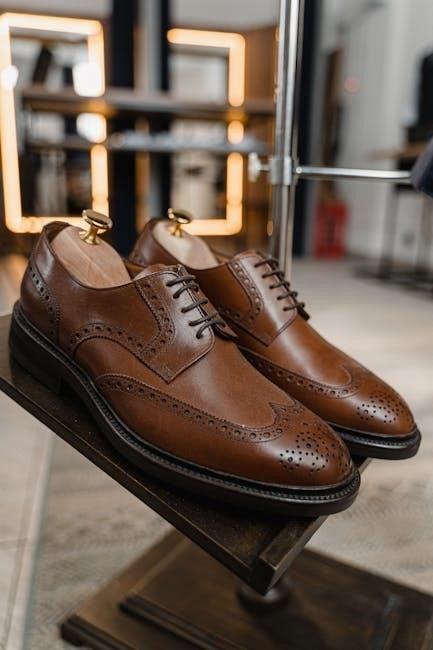
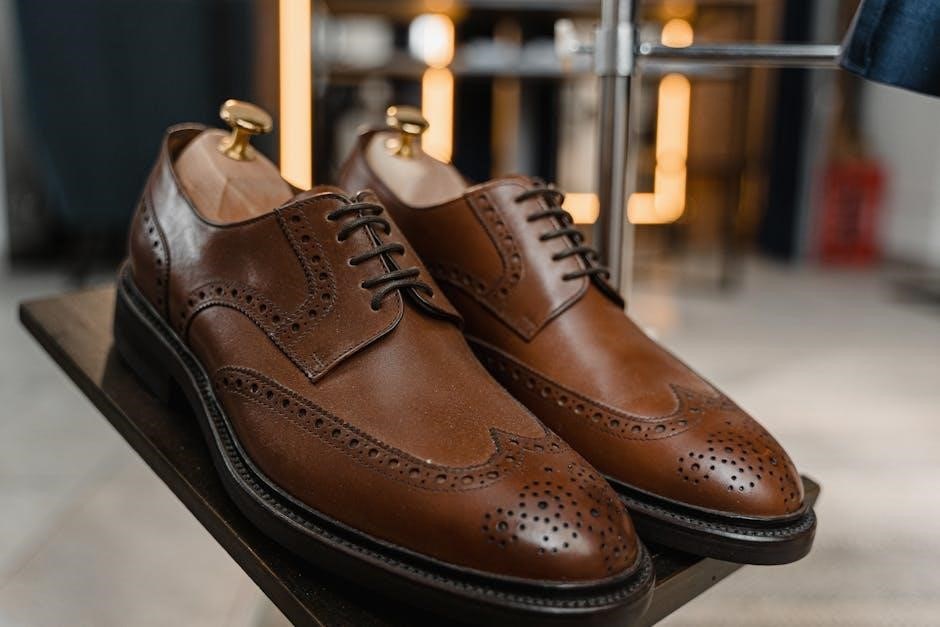
Wingtip shoes, also known as brogues, inject a distinct sense of character and flair into men’s formalwear. Defined by a W-shaped toe cap extending along the sides of the shoe, wingtips showcase intricate detailing and a more decorative aesthetic compared to simpler styles. This distinctive “wing” pattern is what gives the shoe its name and visual interest.
While traditionally considered less formal than cap toes or Oxfords, wingtips can be perfectly appropriate for business settings, particularly those with a more relaxed dress code. They are excellent for adding personality to an outfit without sacrificing professionalism. Available in various leather colors and finishes, wingtips offer versatility in styling.
The degree of brogueing – the small perforations and detailing – can also vary, influencing the shoe’s formality. More extensive brogueing suggests a more casual style, while minimal detailing maintains a more refined appearance. Wingtips are a statement shoe, demonstrating confidence and individual style.
Brogueing: Understanding the Decorative Perforations
Brogueing refers to the decorative perforations and patterns traditionally found on leather shoes, originating in Scotland and Ireland as a functional element to drain water from hunting boots. Today, it’s primarily an aesthetic detail, signifying a shoe’s style and formality. The extent and placement of brogueing dictate the shoe’s overall appearance.
Full brogues feature brogueing across the vamp (the front part of the shoe) and along the sides, creating a complex, visually striking pattern. Half brogues exhibit brogueing only on the toe cap, offering a more subtle and versatile look. Quarter brogues have minimal brogueing, typically confined to the heel.
Generally, more brogueing indicates a less formal shoe. Full brogues are best suited for casual occasions, while half and quarter brogues can be incorporated into business attire, depending on the dress code. Understanding brogueing allows for informed shoe selection, balancing style with professional appropriateness.
Wholecut Shoes: Minimalist Elegance
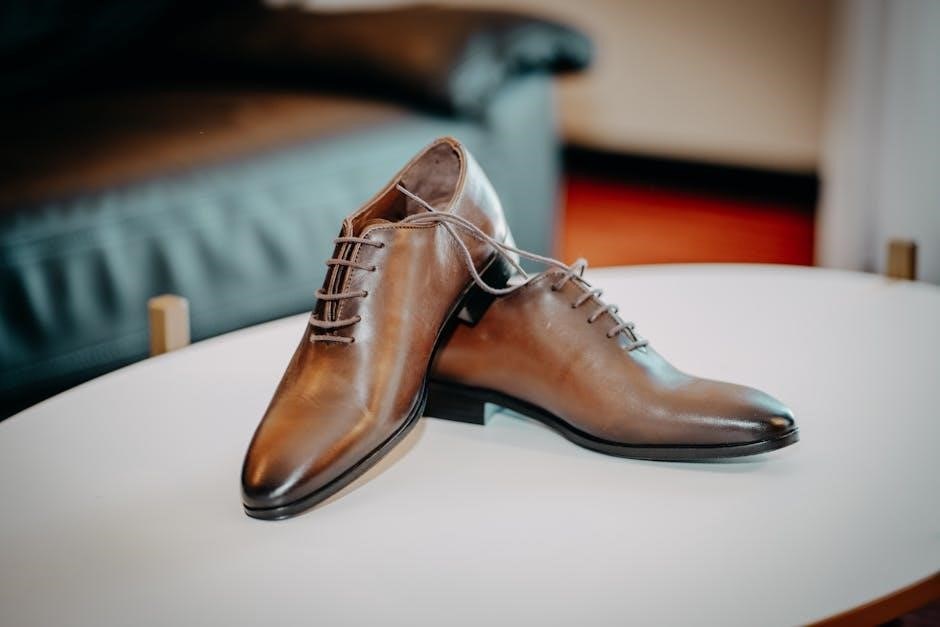
Wholecut shoes represent the pinnacle of minimalist sophistication in men’s formal footwear. Crafted from a single piece of leather – hence the name – they lack any seams across the vamp, creating a sleek, uninterrupted silhouette. This construction demands exceptional leather quality, as any imperfections become readily apparent.
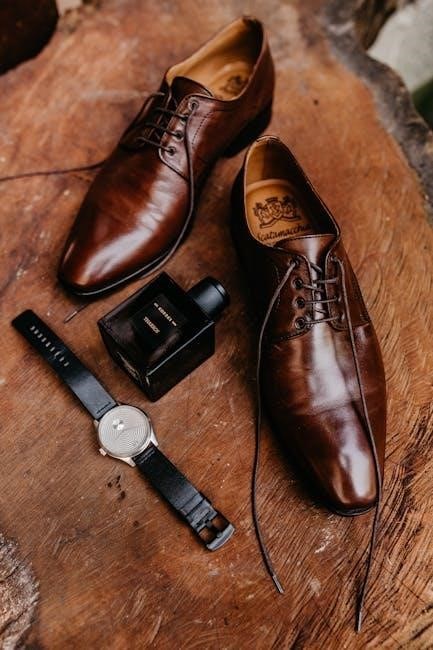
The absence of brogueing or toe caps further emphasizes the clean lines and understated elegance of wholecuts. They exude confidence and refinement, making them ideal for high-powered business settings and formal events where a subtle statement is desired.
Typically available in black or dark brown calfskin, wholecuts pair seamlessly with tailored suits. Their simplicity requires meticulous polishing and care to maintain their pristine appearance. Choosing a wholecut signifies a discerning eye for quality and a preference for timeless style.

Materials and Their Impact
Leather quality profoundly influences a shoe’s durability, appearance, and comfort. Choices like calfskin, cordovan, and suede dictate style and longevity, impacting both cost and care.
Leather Types: Calfskin, Cordovan, and More
Calfskin reigns supreme as a premier leather choice for business shoes, celebrated for its suppleness, fine grain, and ability to accept polish beautifully. It drapes well, offering comfort and a refined aesthetic, making it ideal for Oxfords and Derbies.
Cordovan, derived from horsehide, stands apart with its exceptional durability and distinctive reddish hue. This shell cordovan leather is incredibly dense, resisting wear and developing a rich patina over time, representing a significant investment.
Beyond these, full-grain leather showcases the natural markings of the hide, offering character and robustness. Patent leather provides a high-gloss finish, reserved for the most formal occasions. Suede, with its napped texture, presents a more casual alternative, suitable for loafers or less conservative environments. Understanding these nuances allows for informed selection based on desired style and longevity.
Suede vs. Leather: When to Wear Which
Leather, particularly calfskin, dominates formal business settings due to its polished appearance and resilience. It’s the go-to for important meetings, client presentations, and conservative workplaces, projecting authority and sophistication. Leather shoes readily accept a high shine, enhancing their formality.
Suede, with its soft, velvety texture, leans towards business-casual environments. While stylish, its susceptibility to water and scuff marks makes it less appropriate for rigorous professional contexts. Suede loafers or chukkas can complement smart-casual attire, offering a relaxed yet refined look.
Consider the weather; suede fares poorly in rain or snow. Leather offers better protection. Ultimately, the choice hinges on the dress code and the overall impression you wish to convey. Prioritize leather for formality and suede for relaxed, yet polished, business-casual scenarios.
The Role of the Sole: Leather, Rubber, and Combination
Leather soles traditionally signify formality and craftsmanship. They offer a sleek profile and, over time, mold to the foot for enhanced comfort. However, they provide limited traction, especially in wet conditions, and require regular maintenance to prevent damage from moisture. Leather soles are best suited for indoor environments and dry climates.
Rubber soles prioritize practicality and durability. They deliver superior grip, making them ideal for navigating varied weather conditions and providing stability; While less formal than leather, modern rubber sole designs can be discreet and complement dress shoes.
Combination soles – often leather with a rubber insert – offer a balance of both worlds. They maintain a refined aesthetic while enhancing traction and longevity. This is a versatile option for professionals who require both style and functionality in their footwear.
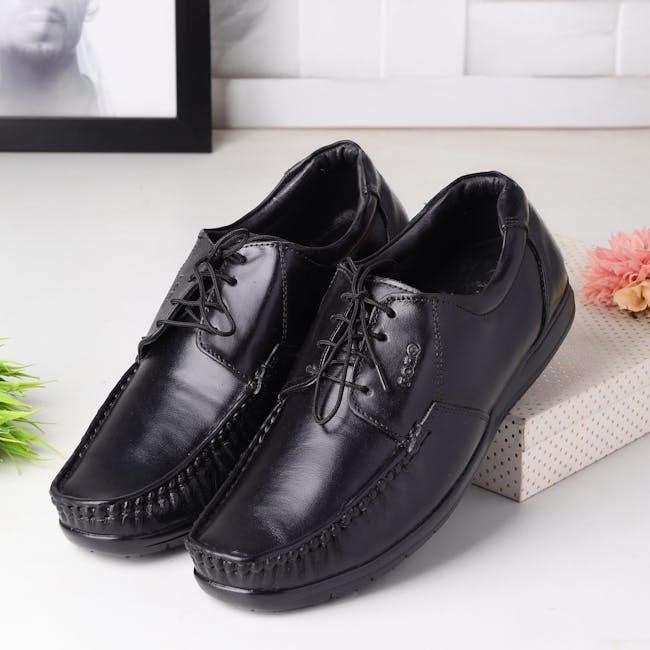
Choosing the Right Fit and Color
Proper fit is paramount for comfort and appearance; a professional fitting ensures optimal support. Color selection – black, brown, and beyond – should complement your wardrobe.
Understanding your shoe size is crucial, involving accurate measurements and considering foot width. Color coordination elevates your style, matching shoes to outfits.
Regular shoe care extends longevity, protecting your investment through cleaning, conditioning, and proper storage techniques for lasting elegance.
Finding Your Shoe Size: A Comprehensive Guide
Determining your correct shoe size is foundational for both comfort and a polished appearance. It’s surprisingly complex, as sizes can vary between brands and even styles within the same brand. Begin by measuring both feet, as one foot is often slightly larger than the other – always fit to the larger foot!
Use a Brannock device, commonly found in shoe stores, for the most accurate measurement of length and width. Trace your foot on paper as a backup method, measuring from heel to longest toe. Consider the time of day; feet swell throughout the day, so measure in the afternoon or evening.
Don’t rely solely on your previous size. Sizes can change over time. When trying on shoes, wear the socks you’d typically wear with them. Ensure about a thumb’s width of space between your longest toe and the shoe’s end. Pay attention to width; shoes shouldn’t feel constricting. A proper fit prevents blisters and discomfort, ensuring confidence throughout your workday.
Remember that European and UK sizes differ from US sizes, so consult a conversion chart when purchasing internationally.
Color Coordination: Black, Brown, and Beyond
Mastering shoe color coordination elevates your professional style. Black shoes are the most formal and versatile, pairing seamlessly with navy, grey, and black suits. They are essential for interviews and conservative workplaces.
Brown shoes offer more flexibility. Dark brown complements navy, grey, and olive trousers, while lighter shades work well with chinos and lighter-colored suits. Avoid pairing brown shoes with black suits – it’s generally considered a style faux pas.
Beyond black and brown, burgundy and oxblood shoes can add a touch of sophistication, particularly with grey or navy outfits. Consider your belt; it should generally match your shoes in color and formality.
Subtlety is key. Don’t be afraid to experiment, but always prioritize a cohesive and polished look. The goal is to complement your outfit, not distract from it. Remember context; more conservative environments favor classic combinations.
Shoe Care and Maintenance for Longevity
Prolonging the life of your investment requires consistent shoe care. Regular cleaning is paramount; remove dirt and debris after each wear with a soft brush or cloth. For leather shoes, use a leather cleaner and conditioner to maintain moisture and prevent cracking.
Invest in shoe trees – they absorb moisture, maintain shape, and prevent creasing. Rotate your shoes to allow them to air out and recover between wearings. This prevents excessive wear and tear on any single pair.
Protect your soles with rubber protectors to prevent wear from walking on abrasive surfaces. Polish your shoes regularly to restore shine and protect the leather. For suede, use a suede brush and protector spray.
Proper storage is also crucial. Store shoes in a cool, dry place, away from direct sunlight. Addressing minor repairs promptly, like resoling or heel replacement, will significantly extend their lifespan.
Business Shoe Styles for Specific Occasions
Selecting appropriate footwear depends on the event. Formal weddings often call for classic Oxfords, while versatile Derbies suit diverse outfits and occasions effortlessly.
For all outfits, consider the formality; sleek loafers work well in business-casual settings, and formal footwear elevates any sophisticated ensemble.
Formal Wedding Shoes
Choosing the right shoes for a formal wedding requires careful consideration, balancing elegance with appropriateness. Black Oxford shoes remain the gold standard, exuding timeless sophistication and complementing traditional black tie attire. A high-shine finish elevates the formality, signaling respect for the occasion.
However, depending on the wedding’s dress code and time of day, alternatives exist. Dark brown Oxford shoes can be suitable for daytime or less strict black-tie events, offering a touch of warmth. Wholecut shoes, with their minimalist design, present a modern yet refined option.
Avoid overly casual styles like loafers or anything with prominent detailing. Ensure the shoes are impeccably polished and in excellent condition. Comfort is also key, as you’ll likely be on your feet for extended periods. Prioritize quality leather for both style and durability, ensuring a polished and confident appearance throughout the celebration.
Shoes for All Outfits Men
Building a versatile shoe wardrobe allows for seamless coordination with a wide range of outfits. A core collection should include black Oxford shoes for formal occasions, and dark brown Derby shoes for business casual settings. These two styles provide a foundation for most sartorial needs.
Adding a pair of monk strap shoes introduces a touch of personality, suitable for smart-casual looks. Loafers, particularly in leather or suede, offer comfort and style for relaxed yet polished ensembles. Consider the color palette of your wardrobe when selecting additional shoes.
Brown shades offer greater versatility than black, pairing well with navy, grey, and earth tones. Investing in quality materials like calfskin ensures longevity and a refined appearance. Remember, the right shoes can elevate even a simple outfit, demonstrating attention to detail and a confident sense of style.
Formal Footwear for Men
For the most formal occasions, selecting appropriate footwear is paramount. Black Oxford shoes reign supreme, embodying classic elegance and sophistication. Wholecut Oxfords, with their minimalist design, represent the pinnacle of formal attire, demanding impeccable polishing and care.
Cap-toe Oxfords offer a slightly more versatile option, maintaining a high level of formality while introducing subtle detail. Avoid brogueing or wingtips in strictly formal settings, as their decorative elements detract from the overall polished aesthetic. Leather soles are traditional for formal shoes, enhancing their refined appearance.
Ensure a precise fit, as ill-fitting shoes can compromise both comfort and style. Dark navy or charcoal suits pair exceptionally well with black formal footwear, creating a timeless and authoritative look. Investing in high-quality formal shoes is a worthwhile investment, reflecting attention to detail and respect for tradition.
Leave a Reply
You must be logged in to post a comment.