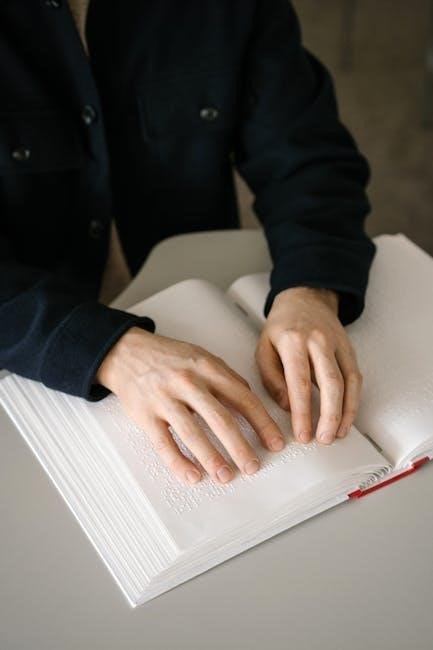
Understanding At-Home Eyesight Checks
Remote vision screening is gaining traction, offering a convenient initial assessment, though manual checks have limitations compared to a professional, comprehensive eye exam.
The Rise of Remote Vision Screening
The increasing accessibility of online eye tests and at-home kits reflects a growing demand for convenient vision screening options. These methods, particularly valuable during times like the recent coronavirus crisis, allow individuals to perform preliminary checks without immediate access to an eye care professional.
However, it’s crucial to remember that these screenings are not substitutes for comprehensive eye exams. They serve as a useful initial step, potentially identifying changes in eyesight and prompting further investigation by a qualified optometrist or ophthalmologist.
Limitations of Manual Checks vs. Professional Exams
While at-home eyesight checks offer convenience, they possess inherent limitations. Manual tests primarily assess distance and near vision acuity, potentially missing subtle issues like glaucoma, macular degeneration, or retinal problems. A professional exam utilizes specialized equipment to evaluate overall eye health, including internal structures and optic nerve function.
Therefore, self-administered tests should be viewed as preliminary screenings, not definitive diagnoses. Any concerns identified necessitate a thorough evaluation by an eye care professional.
Preparing for a Manual Eyesight Check
Optimal testing requires a well-lit, uncluttered space and essential tools like a printed vision chart and a measuring tape for accurate distance assessment.
Creating the Optimal Testing Environment
Establishing the right setting is crucial for reliable results. Choose a room with consistent, bright lighting – avoid glare or shadows. A plain, neutral-colored wall serves as the ideal backdrop for the vision chart. Ensure the area is free from distractions, minimizing any interruptions during the test.
Comfort is key; both the tester and the person being tested should be relaxed. Maintain a quiet atmosphere to facilitate concentration. Proper environmental control significantly enhances the accuracy of at-home vision screening.
Necessary Tools: Charts and Measuring Tape
Essential tools for a manual eyesight check include a standard vision chart – either a Snellen chart for distance or a near vision chart. These charts feature rows of letters decreasing in size. A measuring tape is vital for accurately establishing the correct testing distance, typically 10 feet for distance vision and 14 inches for near vision.
Printable charts are readily available online, ensuring accessibility. Consider an occluder (shield) to test each eye individually, preventing peeking and ensuring accurate assessment.
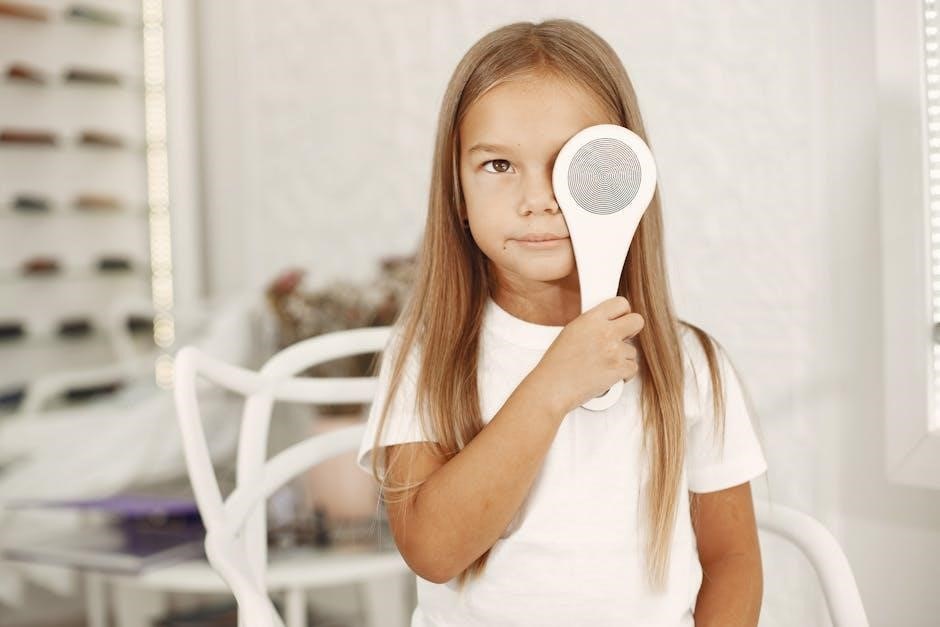
Basic Distance Vision Tests
Distance vision is primarily assessed using the Snellen chart, requiring a standardized procedure and careful interpretation to determine visual acuity levels effectively.
The Snellen Chart Test: Procedure and Interpretation
To perform the Snellen chart test, position yourself ten feet away from the chart in a well-lit area. Cover one eye and ask the person to read the smallest line possible. Repeat with the other eye.
Interpretation involves understanding visual acuity, expressed as a fraction (e.g., 20/20). The top number represents the testing distance, and the bottom indicates the smallest readable line. 20/20 is considered normal vision; 20/40 suggests some vision impairment.
Reading the Results: Understanding Visual Acuity
Visual acuity is a measure of sharpness, typically expressed as a fraction like 20/20; A lower second number indicates diminished vision. For example, 20/40 means an individual sees at 20 feet what someone with normal vision sees at 40 feet.
Interpreting results requires context; mild impairment (20/30) may not be concerning, while 20/70 or worse warrants professional evaluation. Consistent blurry vision at any distance signals a need for a comprehensive eye exam.

Near Vision Assessment
Assessing near vision helps identify reading difficulties; utilize a near vision chart to check how clearly you see objects up close, at a typical reading distance.
Using a Near Vision Chart
To perform a near vision assessment, print a standard near vision chart – often utilizing progressively smaller text. Hold the chart at a comfortable reading distance, typically around 14-16 inches. Cover one eye and, without glasses if normally worn for reading, attempt to read each line, starting with the largest print.
Record the smallest line you can read clearly. Repeat with the other eye. Difficulty reading smaller print could indicate presbyopia or other vision issues requiring professional evaluation. Ensure adequate lighting during the test for accurate results.
Identifying Reading Difficulties
Consistent squinting, eye strain, or headaches while reading are key indicators of potential vision problems. Blurred or double vision, difficulty focusing, or losing your place on the line also suggest a need for assessment. Frequent rubbing of the eyes during reading is another sign.
These difficulties can stem from uncorrected refractive errors or underlying eye conditions; a professional exam is crucial for accurate diagnosis and appropriate intervention to improve reading comfort and efficiency.

Color Blindness Screening at Home
Ishihara test plates are commonly used for at-home screening, revealing deficiencies in color perception by identifying hidden numbers or patterns within dotted images.
Ishihara Test Plates: How to Use Them
To perform the Ishihara test, view each plate under good, natural daylight or standardized artificial light, avoiding glare. Hold the plate approximately 16 inches from your eyes. Identify the numbers or shapes concealed within the colored dots; individuals with normal color vision will easily perceive these figures.
Those with color vision deficiency may struggle to discern the patterns, seeing only dots or different numbers. Testing should be done individually, without prompting, and results recorded for comparison. Remember, this is a screening tool, not a diagnosis.
Interpreting Color Perception Results
Analyzing Ishihara test results reveals the type of color vision deficiency, if present. Consistently missing certain numbers indicates specific weaknesses – protanopia (red-blindness), deuteranopia (green-blindness), or tritanopia (blue-blindness). The number of plates correctly identified determines the severity.
A complete inability to see any figures suggests total color blindness, which is rare. Remember, this test isn’t definitive; professional diagnosis is crucial for accurate assessment and guidance.
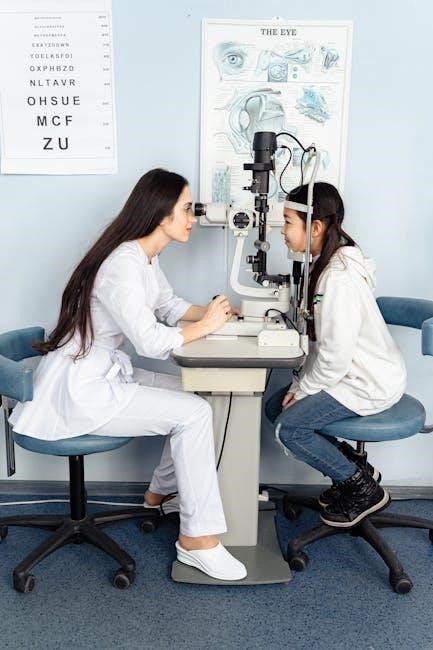
Checking for Astigmatism
The radial lines test helps detect astigmatism; distorted or blurred lines suggest irregular corneal curvature, indicating potential vision issues needing professional evaluation.
The Radial Lines Test
To perform this astigmatism check, view a chart featuring numerous straight, parallel radial lines. If you have astigmatism, some lines may appear blurred, bent, or broken, while others remain clear. This distortion occurs because astigmatism causes light to focus unevenly on the retina.
Observe the chart from a comfortable distance, ensuring adequate lighting. Note which lines appear most distorted and their orientation. This simple test provides a preliminary indication, but a professional exam is crucial for accurate diagnosis and correction.
Recognizing Distorted Vision
Distorted vision manifests as straight lines appearing wavy, bent, or irregular. Objects may seem stretched or compressed, impacting depth perception and spatial awareness. This can occur in one or both eyes, and the degree of distortion varies. Recognizing these visual disturbances is crucial, as they often indicate underlying eye conditions like astigmatism or macular degeneration.
Pay attention to everyday views – doorframes, tiles, or even text – for any unusual warping. Promptly report any persistent distortion to an eye care professional for a thorough evaluation.
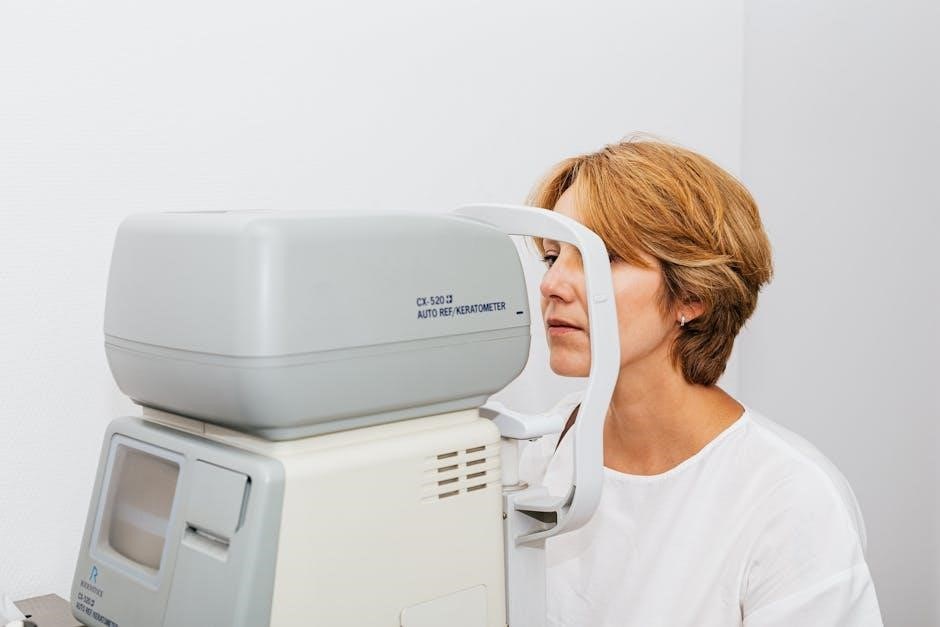
Peripheral Vision Examination
Simple field of vision tests can help identify blind spots, crucial for detecting potential issues; however, these are not replacements for professional assessments.
Simple Field of Vision Tests
Performing a basic peripheral vision check at home involves focusing on a central point while attempting to notice objects or movements in your side vision. Slowly introduce visual stimuli from the sides, noting any delays or inability to perceive them. This can reveal potential blind spots or areas of reduced vision. Remember, this is a preliminary screening; consistent difficulties warrant a professional evaluation to rule out underlying conditions affecting your complete visual field. These tests offer a quick, initial assessment, but aren’t definitive.
Identifying Blind Spots
Everyone possesses a natural blind spot due to the optic nerve’s exit point. A simple test involves closing one eye and focusing on a fixed point while slowly bringing an object from the side into your peripheral vision. If the object disappears before entering your direct line of sight, you’ve located your blind spot. Significant enlargement or unusual placement of this area, however, necessitates a professional examination to determine if a more serious issue is present, impacting overall vision health.
Testing Eye Muscle Function
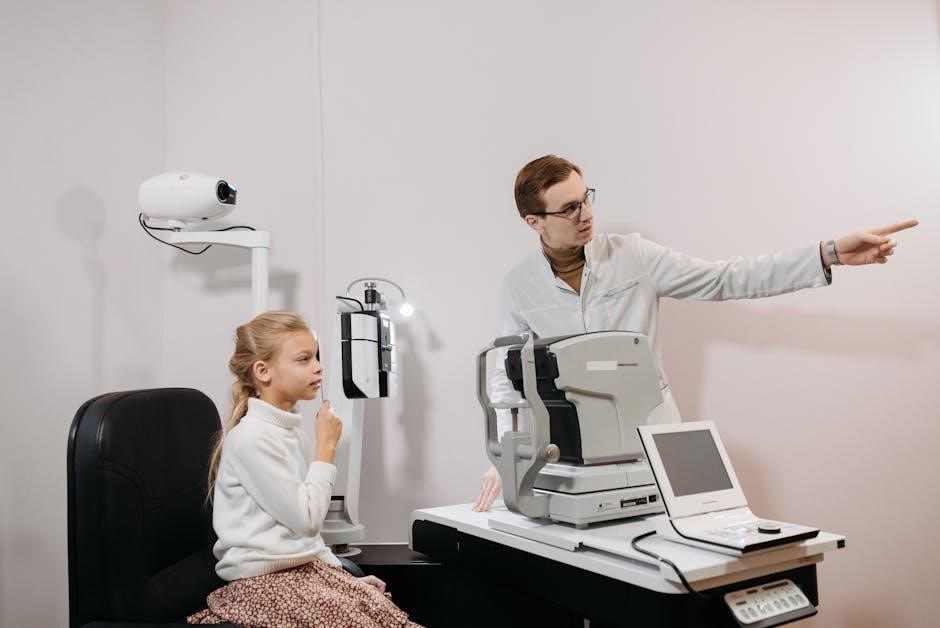
The cover test helps detect misalignment by observing eye movement when alternating covering each eye; consistent shifting indicates potential muscle imbalance needing evaluation.
The Cover Test: Detecting Misalignment
Performing the cover test involves alternately covering and uncovering each eye while observing the other’s movement. Begin by having the person focus on a fixed object. Cover one eye for a few seconds, then quickly uncover it. Watch for any inward or outward drift of the uncovered eye.
If the eye moves to re-establish fixation, it suggests a misalignment. Repeat this process several times for both eyes. Consistent movement indicates a potential issue with eye muscle coordination, warranting a professional assessment to determine the underlying cause and appropriate intervention.
Understanding Results and Next Steps
Interpreting at-home test results requires caution; they are screening tools, not diagnoses. Any concerning findings – blurred vision, color perception issues, or misalignment – necessitate a professional eye exam. Don’t self-treat or delay seeking help.
Document your observations carefully. A qualified optometrist or ophthalmologist can provide an accurate diagnosis and personalized treatment plan. Regular professional exams are crucial for maintaining optimal eye health, especially if you notice changes in your vision.
Documenting Your Findings
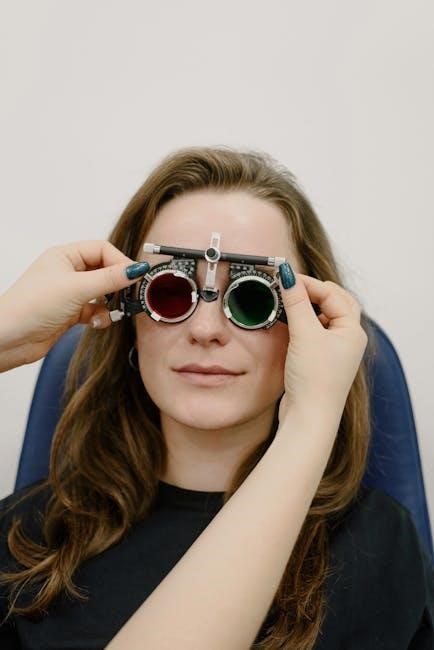
Maintain a detailed record of each test’s date, results, and any observed difficulties; this information is valuable when consulting an eye care professional.
Creating a Record of Test Results
Meticulously document the date and time of each at-home eyesight check, alongside the specific test performed – distance, near vision, color perception, or peripheral vision. Record all measurements precisely, noting any discrepancies or difficulties encountered during the process;
Include observations about the individual’s experience, such as reported blurriness, distortions, or eye strain. A clear, organized record facilitates effective communication with an eye care professional, aiding in accurate diagnosis and treatment planning, especially if concerns arise.
When to Seek Professional Help
At-home tests are screening tools, not replacements for comprehensive eye exams. Schedule a professional appointment if you notice sudden vision changes, persistent blurriness, eye pain, double vision, or floaters.
Individuals with diabetes, hypertension, or a family history of eye disease require regular professional care. Don’t delay seeking help if tests reveal concerning results or if you experience any visual disturbances impacting daily life; early detection is crucial for preserving eyesight.
Online Eye Tests: A Complementary Tool
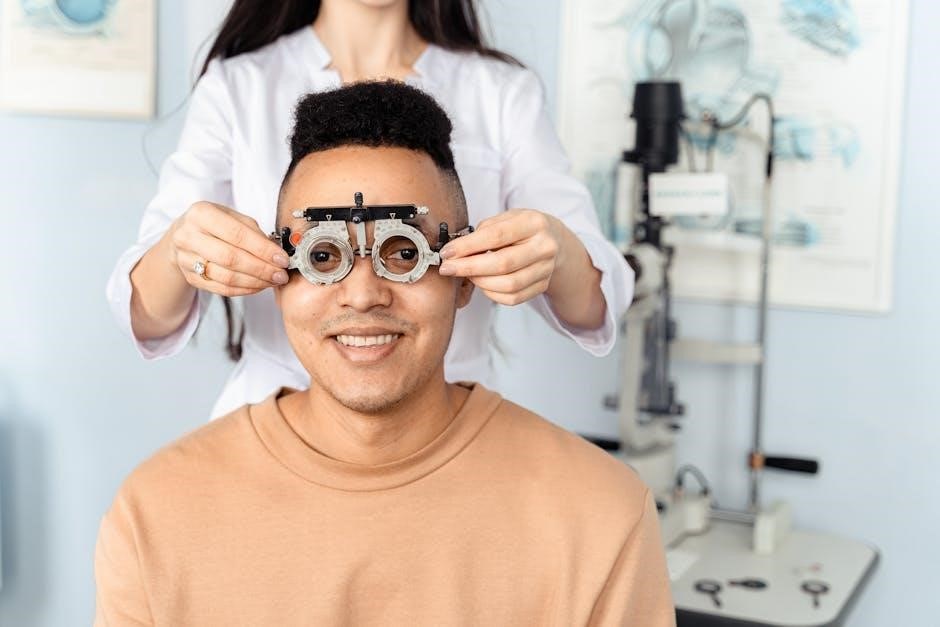
Online assessments offer a quick preliminary check, but their accuracy varies; they aren’t substitutes for professional exams, serving best as an initial indicator.
Accuracy and Reliability of Online Assessments
Online eye tests present a convenient option, yet their diagnostic precision isn’t consistently reliable. While useful for identifying potential changes in vision, they shouldn’t replace a thorough, in-clinic examination by a qualified optometrist. Factors like screen resolution, viewing distance, and individual interpretation can influence results.
These tests are generally best utilized as a preliminary screening tool, prompting further investigation if concerns arise. They aren’t designed to diagnose specific eye conditions or provide a prescription.
Using Online Tests as a Preliminary Check
Online eye tests serve as a quick, accessible first step in monitoring your vision from home, particularly useful during times when in-person appointments are challenging. They can help detect noticeable shifts in eyesight, prompting you to schedule a comprehensive exam with an eye care professional.
Consider these tests a self-assessment, not a definitive diagnosis. If you notice any concerning changes, prioritize a professional evaluation for accurate results and appropriate care.
Eyesight Checks for Children
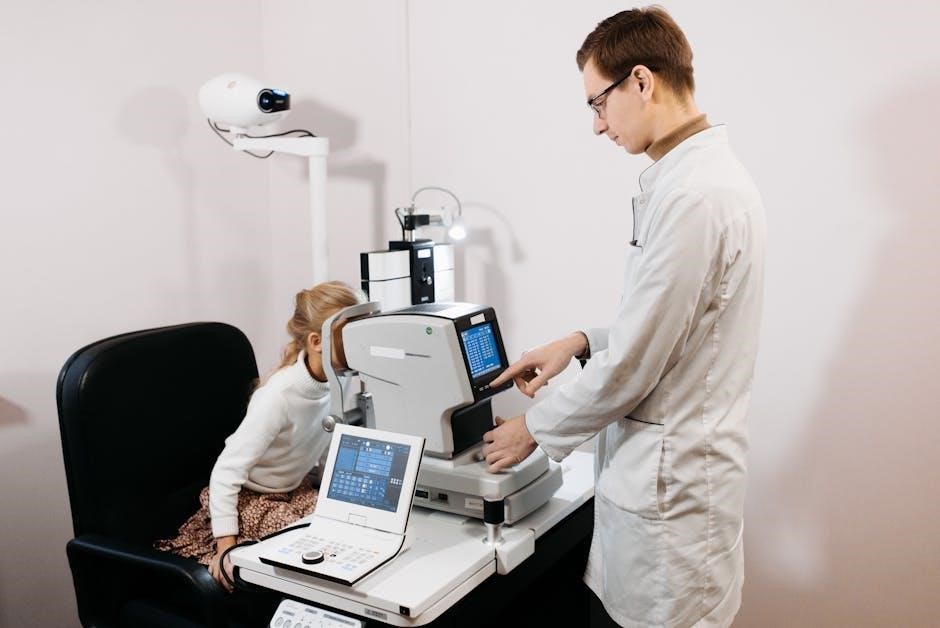
Adapting tests for younger eyes requires patience and a playful approach; recognizing vision problems early is crucial for healthy development and academic success.
Adapting Tests for Younger Eyes
Conducting eyesight checks on children demands a modified approach due to their limited attention spans and communication skills. Simplify instructions, turning the process into a game to encourage participation. Utilize brightly colored charts with familiar images instead of letters.
Maintain a shorter testing distance, around 6-8 feet, and allow for frequent breaks. Shielding one eye at a time can be tricky; gentle guidance is key. Observe for signs of discomfort or frustration, and prioritize creating a positive experience to ensure accurate results.
Recognizing Vision Problems in Children
Identifying vision issues in children requires vigilance, as they often can’t articulate difficulties. Watch for frequent squinting, excessive blinking, or tilting the head to see. Complaints of headaches or eye strain, especially during reading, are red flags.
Difficulty focusing, clumsiness, or a short attention span could also indicate a vision problem. If a child consistently sits too close to the TV or holds books very near their face, seek professional evaluation promptly.
Important Considerations and Disclaimer
At-home tests are not replacements for professional exams; they offer preliminary insights only. Regular, comprehensive eye care remains crucial for optimal vision health.
These Tests Are Not a Substitute for a Comprehensive Eye Exam
Home eyesight checks provide a quick, convenient snapshot, but they lack the depth and precision of a professional evaluation. A qualified optometrist or ophthalmologist utilizes specialized equipment to assess overall eye health, detect subtle issues, and diagnose conditions like glaucoma or macular degeneration.
These at-home methods cannot replicate the thoroughness of dilation, tonometry, or retinal imaging. Relying solely on self-assessment could delay crucial treatment, potentially impacting your long-term vision. Always consult an eye care professional for a complete examination.
Frequency of At-Home Checks
Regular at-home eyesight checks can help monitor vision changes between professional exams, but frequency depends on individual risk factors. Generally, a monthly self-assessment is reasonable for adults with no known eye conditions.
Individuals with diabetes, a family history of eye disease, or those wearing corrective lenses should consider more frequent checks, or as advised by their eye doctor. These tests are supplemental and do not replace scheduled comprehensive eye exams.
Leave a Reply
You must be logged in to post a comment.