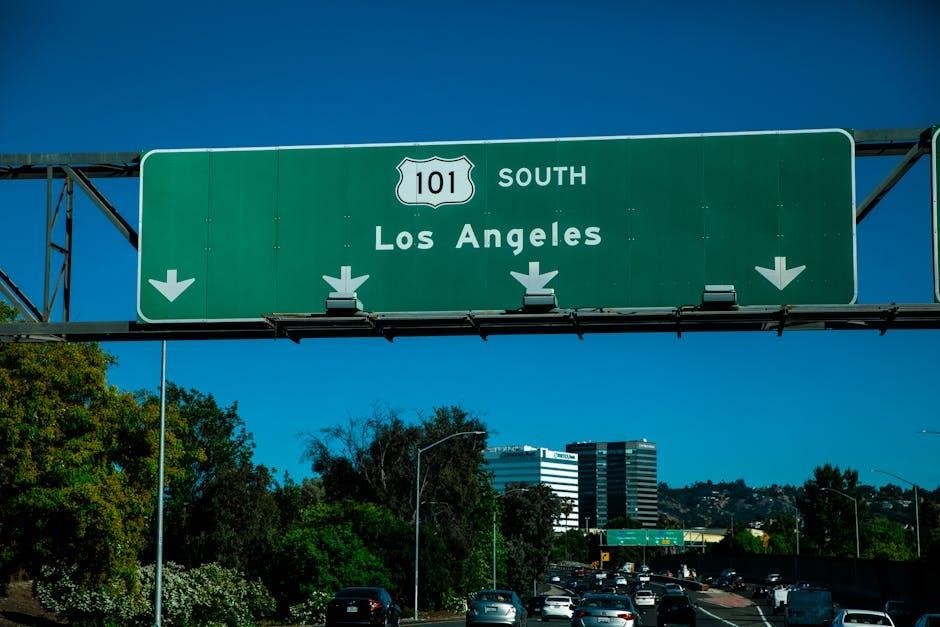
Understanding Florida’s road signs is crucial for safe driving; this guide‚ based on the official handbook‚ will help you navigate the state’s roadways effectively.
Importance of Knowing Florida Road Signs
Mastering Florida road signs is paramount for all drivers‚ ensuring both personal safety and the well-being of others on the road. A thorough understanding minimizes risks‚ prevents accidents‚ and fosters a responsible driving environment.
Ignoring or misinterpreting signs can lead to costly errors‚ including traffic violations‚ collisions‚ and even fatalities. The Florida Drivers Handbook emphasizes that each sign’s color and shape conveys a specific message‚ demanding attentive observation.
Familiarizing yourself with these visual cues isn’t just about passing the driver’s license test; it’s about cultivating a proactive and informed approach to driving‚ ultimately contributing to safer roads for everyone in the Sunshine State.

Where to Find Official Information
Accessing reliable resources is key to a comprehensive understanding of Florida road signs. The primary source is the official Florida Drivers Handbook‚ available for download from the Florida Highway Safety and Motor Vehicles (FLHSMV) website.
This handbook meticulously details all sign types‚ colors‚ and shapes‚ aligning perfectly with the knowledge assessed during the driver’s license examination. Online practice tests‚ mirroring the official exam format‚ are also readily available through the FLHSMV and various approved driving schools.
Always prioritize official sources to ensure accuracy and avoid misinformation. Relying on outdated or unofficial materials can lead to confusion and potentially compromise your driving safety.
Types of Road Signs in Florida
Florida utilizes three main sign categories: regulatory‚ warning‚ and guide signs‚ each serving a distinct purpose to ensure driver awareness and road safety.
Regulatory Signs
Regulatory signs inform drivers of laws and regulations; failure to obey these signs can result in penalties. These are generally rectangular in shape and often display black text on a white background. Key examples include Stop signs‚ universally recognized as octagons demanding a complete halt. Yield signs‚ triangular in shape‚ require drivers to give the right-of-way to other traffic. Speed Limit signs‚ rectangular‚ indicate the maximum legal speed.
Do Not Enter signs‚ also rectangular‚ prohibit entry to a road or restricted area. Understanding these signs is paramount for legal and safe operation of a vehicle within Florida‚ ensuring compliance with traffic laws and preventing accidents. Always prioritize adherence to regulatory signage.
Stop Signs
Stop signs are universally recognized as octagonal red signs with white lettering‚ demanding a complete cessation of movement. Drivers encountering a Stop sign must come to a full and complete stop at a marked stop line‚ or before entering the crosswalk or intersection.
Proceed only when it is safe to do so‚ yielding the right-of-way to pedestrians and other vehicles. A rolling stop is a violation of Florida law and can lead to citations. Always scan the intersection thoroughly before proceeding‚ ensuring no hazards are present. Prioritizing a complete stop at these signs is vital for preventing collisions and ensuring pedestrian safety.
Yield Signs
Yield signs are triangular in shape‚ featuring a red border and an inverted white triangle within. Encountering a Yield sign signifies that a driver must prepare to yield the right-of-way to other vehicles or pedestrians. Unlike a Stop sign‚ a complete stop isn’t always required‚ but drivers must slow down and assess the situation.
Yield when necessary to avoid collisions‚ allowing others to proceed. Be prepared to stop if the roadway is not clear. Florida drivers must exercise caution and prioritize safety when approaching Yield signs‚ ensuring a smooth and safe flow of traffic. Ignoring a Yield sign can result in accidents and legal penalties.
Speed Limit Signs
Speed Limit signs are typically rectangular and display the maximum legal speed allowed on a specific road. These signs are crucial for maintaining safe traffic flow and reducing the risk of accidents. Posted speeds can vary depending on the road type‚ conditions‚ and surrounding environment.
Florida drivers are legally obligated to adhere to posted speed limits. Exceeding these limits can lead to fines‚ points on your license‚ and increased insurance rates. Pay close attention to changes in speed limits‚ especially when transitioning between different zones. Safe driving involves respecting and obeying these vital regulatory signs.
Do Not Enter Signs
Do Not Enter signs are vitally important regulatory signs‚ prominently featuring a white horizontal bar within a red circle. These signs clearly indicate that you are entering a roadway or restricted area where traffic is flowing in the opposite direction. Disregarding a Do Not Enter sign is extremely dangerous and illegal.
These signs are typically placed at the entrance of one-way streets‚ freeway ramps‚ and locations where entering would create an immediate hazard. Always slow down and carefully observe signage before proceeding. Failure to comply can result in a head-on collision and severe penalties‚ including hefty fines and license suspension.
Warning Signs
Warning signs are designed to alert drivers to potentially hazardous conditions ahead‚ allowing them to adjust their driving accordingly. These signs are typically yellow and diamond-shaped‚ providing a clear visual cue to exercise caution. They don’t prohibit any action‚ but rather warn of possible dangers requiring increased awareness.
Common warnings include curves‚ intersections‚ pedestrian crossings‚ and school zones. Drivers should reduce speed and be prepared to react to changing road conditions. Ignoring warning signs significantly increases the risk of accidents. Familiarizing yourself with these signs is essential for safe and responsible driving in Florida.
Diamond-Shaped Warning Signs
Diamond-shaped signs exclusively warn drivers of existing or potential hazards on roadways or adjacent areas. These yellow signs are crucial for anticipating and reacting to dangerous situations. They cover a wide range of potential issues‚ from sharp curves and hidden intersections to the presence of pedestrians or wildlife.
Understanding these signs is paramount for preventative driving. Drivers must reduce speed and increase vigilance when encountering a diamond-shaped warning. Ignoring these alerts dramatically elevates the risk of collisions. Consistent review of these signs‚ as detailed in the Florida Driver’s Handbook‚ is vital for road safety.
Curve Warning Signs
Curve warning signs‚ falling under the diamond-shaped category‚ alert drivers to upcoming curves in the roadway. These signs often include an advisory speed‚ indicating the safe maximum speed for navigating the curve. Drivers should significantly reduce their speed before entering the curve‚ not during‚ to maintain control.
Pay close attention to advisory speeds; they are based on factors like sharpness of the curve and road conditions; Failure to heed these warnings can lead to loss of control‚ especially in adverse weather. Regularly reviewing these signs within the Florida Driver’s Handbook reinforces safe driving practices and hazard anticipation.
Pedestrian Crossing Signs
Pedestrian crossing signs‚ typically diamond-shaped warnings‚ indicate areas where pedestrians may be crossing the roadway. Drivers must exercise extreme caution and be prepared to stop for pedestrians‚ even if they are not within a marked crosswalk. These signs are frequently found near schools‚ residential areas‚ and business districts.
Florida law prioritizes pedestrian safety. Always scan the sides of the road for individuals‚ particularly children‚ and reduce speed when approaching these designated crossing zones. Familiarizing yourself with these signs through the Florida Driver’s Handbook is vital for preventing accidents and ensuring the safety of all road users.
School Zone Signs
School zone signs alert drivers to areas where children are present‚ requiring heightened awareness and reduced speeds. These signs are often accompanied by flashing lights indicating when the school zone is active‚ typically during school hours. Florida law mandates strict adherence to posted speed limits within school zones.
Drivers must be especially vigilant for children darting into the street and be prepared to stop quickly. Ignoring school zone speed limits carries significant penalties. Reviewing the Florida Driver’s Handbook’s section on school zones is crucial for understanding specific regulations and ensuring the safety of students and school staff.
Guide Signs
Guide signs provide motorists with directional and informational assistance during travel. These signs utilize various colors to categorize the information they convey. Interstate and highway signs often feature shield shapes and numbers‚ indicating major routes. Destination signs clearly display the names of cities‚ towns‚ and attractions‚ aiding in navigation.
Service signs‚ distinguished by their blue background‚ highlight nearby facilities like gas stations‚ restaurants‚ and lodging. Understanding these signs is essential for efficient and stress-free travel throughout Florida. Always prioritize safe driving while referencing guide signs to reach your intended destination.
Interstate and Highway Signs
Interstate signs utilize a shield shape‚ prominently displaying route numbers. These numbers indicate the direction and connectivity of the highway system. Even-numbered interstates generally run east-west‚ while odd-numbered routes travel north-south. Highway signs‚ often rectangular‚ provide information about state roads and U.S. routes.
Pay close attention to the route numbers and destinations indicated on these signs to ensure you are following the correct path. Familiarizing yourself with the interstate and highway numbering system will greatly enhance your ability to navigate Florida’s extensive road network efficiently and safely.
Destination Signs
Destination signs are primarily rectangular and guide drivers towards cities‚ towns‚ and points of interest. They display the name of the location and the corresponding highway or route number to follow. These signs often appear in advance of exits‚ providing ample time for drivers to prepare for their turn.
Understanding these directional cues is vital for reaching your intended destination without confusion. Pay attention to the distances listed‚ as they offer a clear indication of how far you need to travel. Regularly referencing destination signs will ensure a smooth and stress-free journey throughout Florida.
Service Signs (Blue Background)
Service signs‚ easily identifiable by their blue background‚ provide information about nearby amenities and assistance for motorists. These signs indicate the availability of essential services such as gas stations‚ lodging‚ restaurants‚ hospitals‚ and rest areas. The icons used on these signs are standardized‚ allowing for quick and easy recognition.
Utilizing these signs can be incredibly helpful during long trips or in unfamiliar areas. They ensure drivers can locate necessary resources when needed‚ promoting safety and convenience. Familiarize yourself with the common service sign icons to efficiently find what you’re looking for on Florida’s highways.
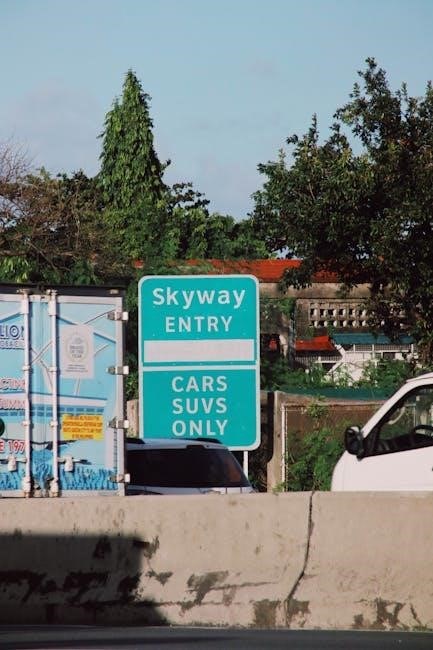
Understanding Sign Colors
Sign colors are vital for quick interpretation; red signifies prohibition‚ yellow warns of potential hazards‚ and green guides to destinations.
Red Signs
Red signs demand immediate attention and typically indicate prohibitions or emergencies. These signs are not suggestions; they are commands that must be obeyed to ensure safety on Florida’s roads. Primarily‚ red signifies “Stop‚” “Do Not Enter‚” or indicates a wrong way situation. You will encounter red signs displaying messages like “Yield‚” “Do Not Pass‚” or warnings against specific actions.
Ignoring a red sign can lead to severe consequences‚ including traffic violations‚ accidents‚ and potential injuries. Always be vigilant when approaching a red sign‚ and fully understand its message before proceeding. Remember‚ red is universally recognized as a color of caution and restriction in traffic control‚ demanding your full and immediate compliance.
Yellow Signs
Yellow signs serve as general warnings‚ alerting drivers to potential hazards or changing road conditions ahead. These signs don’t prohibit action‚ but they do require increased caution and preparedness. Expect to see yellow signs indicating curves‚ intersections‚ pedestrian crossings‚ or other situations demanding heightened awareness. They often feature diamond shapes to further emphasize their warning nature.
The presence of a yellow sign means you should reduce speed and scan the road ahead for the indicated hazard. Be prepared to adjust your driving accordingly‚ whether it’s slowing down for a curve or watching for pedestrians. Ignoring yellow warning signs significantly increases the risk of an accident‚ so always heed their message and drive defensively.
Orange Signs
Orange signs indicate temporary traffic control‚ typically related to road work‚ construction zones‚ or maintenance activities. These signs are crucial for navigating areas where normal traffic patterns are disrupted and potential hazards exist. Expect to encounter lane closures‚ flaggers‚ reduced speed limits‚ and uneven road surfaces within these zones.
Pay close attention to all orange signs and follow the directions provided. This includes adhering to reduced speed limits‚ merging into designated lanes‚ and being prepared for sudden stops. Workers are often present in these areas‚ so exercise extreme caution and maintain a safe distance. Ignoring orange signs not only endangers yourself but also the road crews working to improve Florida’s infrastructure.
Green Signs
Green signs provide directional guidance and information about destinations‚ distances‚ and points of interest. These signs are designed to help motorists navigate to their desired locations efficiently and safely. They typically display the names of cities‚ towns‚ highways‚ and other important landmarks.
Generally‚ green signs offer guidance‚ not regulation. However‚ paying attention to the information they provide is essential for staying on course and avoiding unnecessary delays. Look for green signs with highway numbers to confirm you are on the correct route. Understanding these signs contributes significantly to a smoother and less stressful driving experience throughout Florida.
Blue Signs
Blue signs in Florida are dedicated to motorist services guidance‚ indicating the availability of essential facilities along the roadway. These signs highlight locations offering gas‚ food‚ lodging‚ hospitals‚ and other helpful services for drivers and passengers. They are strategically placed to assist travelers in finding necessary amenities during their journeys.
The consistent use of a blue background makes these signs easily identifiable. Recognizing blue signs allows drivers to quickly locate services when needed‚ promoting convenience and safety. Paying attention to these signs can be particularly useful during long trips or in unfamiliar areas‚ ensuring a more comfortable and prepared travel experience throughout the state.

Sign Shapes and Their Meanings
Florida utilizes ten colors and nine distinct shapes for traffic signs‚ each conveying a specific meaning; familiarize yourself with them for road safety.
Octagon
The octagon shape is exclusively reserved for one critical road sign: the stop sign. This universally recognized shape immediately commands a driver’s attention‚ indicating a mandatory complete halt before proceeding. Its distinct eight-sided form ensures quick identification‚ even from a distance or in challenging weather conditions.
Drivers must fully stop at the marked stop line‚ or before entering the crosswalk or intersection if no line is present. Failure to comply with a stop sign carries significant legal consequences and dramatically increases the risk of collisions. Recognizing the octagon’s significance is paramount for all Florida drivers‚ contributing directly to safer roadways for everyone.
Triangle
The triangle shape in Florida road signage is specifically designated for warning signs. These signs alert drivers to potential hazards or changing road conditions ahead‚ demanding increased caution and preparedness. Typically displayed with a yellow background and black lettering or symbols‚ triangular signs communicate a variety of dangers.
These can include curves‚ intersections‚ pedestrian crossings‚ or other situations requiring drivers to adjust their speed or driving behavior. Recognizing a triangular sign instantly signals the need for heightened awareness and proactive decision-making‚ contributing significantly to accident prevention and overall road safety in Florida.
Rectangle
Vertical rectangular signs in Florida predominantly convey regulatory information to drivers. These signs communicate laws and regulations that must be followed‚ ensuring order and safety on the roadways. They often display black lettering on a white background‚ clearly indicating rules such as speed limits‚ lane usage restrictions‚ or prohibited maneuvers.
However‚ rectangular signs aren’t exclusively regulatory; they can also provide guidance or informational messages. Recognizing the rectangular shape quickly signals the presence of an official instruction or directive‚ prompting drivers to comply with the stated rules for a safer driving experience.
Diamond
Diamond-shaped signs in Florida are exclusively reserved for warning drivers of potential hazards on or near the roadway. These crucial signs alert motorists to conditions requiring extra caution‚ such as curves‚ intersections‚ pedestrian crossings‚ or changes in road alignment. Typically‚ they feature a yellow background with black symbols or text‚ instantly signaling a need for increased awareness.
The consistent use of the diamond shape allows drivers to quickly identify potential dangers without needing to read the sign’s message‚ promoting faster reaction times and preventing accidents. Recognizing this shape is vital for proactive and safe driving practices throughout Florida.
Pentagon
In Florida‚ the pentagon shape is specifically designated for school zone and school crossing signs. These signs are critically important for protecting children and ensuring their safety near schools and designated pedestrian areas. Typically‚ these pentagonal signs feature bright fluorescent yellow-green coloring to maximize visibility‚ particularly during dawn and dusk hours when children are most likely to be walking to or from school.
Drivers encountering a pentagon-shaped sign must immediately reduce speed and be extra vigilant for pedestrians‚ especially children. Adhering to posted speed limits within school zones is paramount for preventing accidents and safeguarding young lives.

Florida Driver’s License Application & Signatures
Signing the application confirms responsibility for driving actions; step-parents generally cannot sign‚ and rescinding responsibility leads to license cancellation.
Responsibility of the Signer
The individual signing a Florida driver’s license application undertakes a significant legal responsibility. This isn’t merely a formality; it’s an agreement to accept accountability for the applicant’s driving behavior. By affixing their signature‚ the signer essentially vouches for the applicant’s commitment to safe and lawful operation of a motor vehicle.
This responsibility is ongoing; Should the signer later withdraw their endorsement – or “rescind responsibility” – the Florida Department of Highway Safety and Motor Vehicles (FLHSMV) will promptly cancel the applicant’s driver’s license. This highlights the seriousness of the commitment and the importance of careful consideration before signing an application. It’s a crucial step in ensuring road safety for all Floridians.
Step-Parent Signatures
Florida regulations specifically address the acceptance of signatures from step-parents on driver’s license applications. Generally‚ a step-parent is not permitted to sign the application‚ even if they have a close relationship with the applicant and provide financial support. This restriction is firmly established by the Florida Department of Highway Safety and Motor Vehicles (FLHSMV).
The rationale behind this rule centers on legal responsibility. The signer must have a direct legal obligation to the applicant‚ which a step-parent typically does not possess. Biological or adoptive parents are the preferred signatories. Understanding this limitation is vital to avoid application delays or rejections‚ ensuring a smooth licensing process for new drivers in Florida.

History of Driver Licensing and Road Signage in Florida
In 1941‚ Florida mandated vision‚ road sign‚ rules‚ and driving tests for original licenses‚ evolving regulations to enhance road safety for all drivers.
Early Driver Testing (1941)
Prior to 1941‚ driver regulation in Florida was minimal. However‚ recognizing the growing need for road safety with increasing vehicle numbers‚ new legislation was enacted. This pivotal year marked a significant shift‚ requiring all applicants for an original driver license to successfully complete a comprehensive testing process.
The initial assessment wasn’t simply behind-the-wheel; it encompassed a thorough vision examination to ensure adequate eyesight‚ a knowledge test focused on understanding road rules‚ and crucially‚ a demonstration of competency in recognizing and interpreting road signs. Applicants also had to prove their ability to safely operate a vehicle through a practical driving test. This multi-faceted approach laid the foundation for responsible driving and safer roads throughout Florida.
Evolution of Road Sign Regulations
Following the implementation of driver testing in 1941‚ Florida’s road sign regulations underwent continuous refinement. The initial standards‚ while a crucial first step‚ were progressively updated to reflect evolving traffic patterns‚ vehicle technology‚ and national best practices. In 1946‚ further advancements were made‚ building upon the initial framework established five years prior.
These changes weren’t merely about adding new signs; they involved standardizing sign shapes‚ colors‚ and messaging to ensure clarity and consistency across the state. This ongoing evolution aimed to minimize ambiguity and maximize driver comprehension‚ ultimately contributing to enhanced road safety for all Floridians. The commitment to adapting regulations remains vital today.
Leave a Reply
You must be logged in to post a comment.