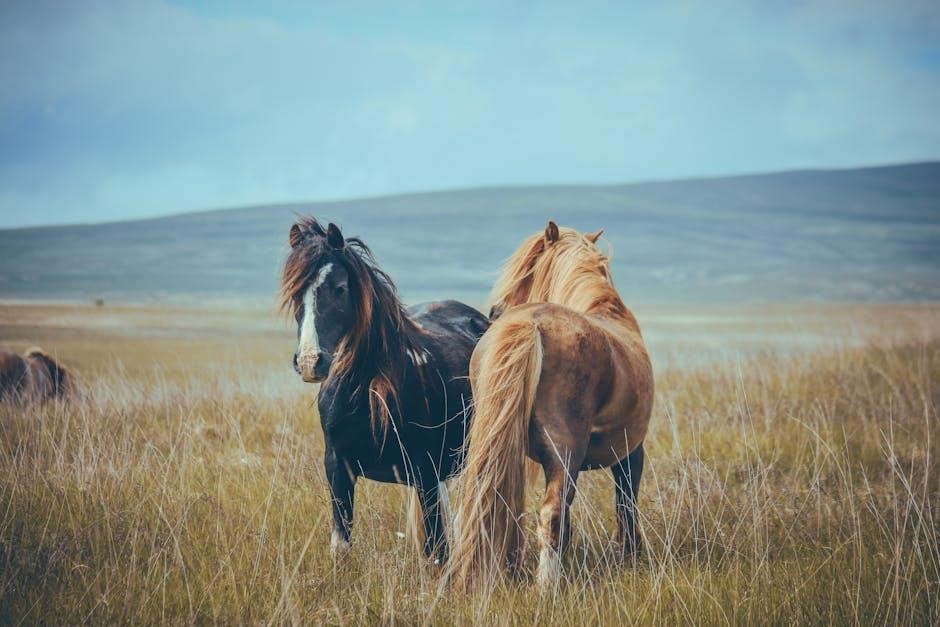
Horse Rug Temperature Guide UK: A Comprehensive Plan
Navigating UK horse care requires understanding rugging! This guide details temperature thresholds, considering factors like clipping, windchill, and rainfall․
Prioritize your horse’s comfort and health with informed decisions․
Understanding Thermoregulation in Horses
Horses possess a remarkable, inbuilt system called thermoregulation – their method of maintaining a stable core body temperature, regardless of external conditions․ This intricate process involves a delicate balance between heat production and heat loss․ Understanding this is crucial when deciding whether or not to rug your horse․
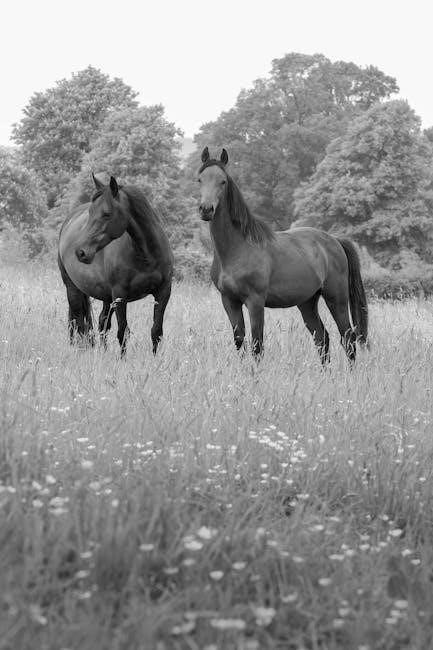
When a horse’s body temperature rises, several mechanisms kick in to cool it down․ These include sweating, where evaporation draws heat away from the skin, and increased blood flow to the skin’s surface, radiating heat into the environment․ Conversely, when cold, horses shiver – involuntary muscle contractions that generate heat – and constrict blood vessels near the skin to conserve warmth․
A horse’s natural insulation comes from its coat․ The density and length of this coat vary depending on breed, season, and individual horse․ This coat traps a layer of air, providing a barrier against both cold and heat․ However, this natural system can be compromised by factors like clipping, age, health, and workload, making rugging a necessary consideration for many horses in the UK climate․
Natural Warmth & Cooling Mechanisms
Horses expertly regulate their temperature through a combination of physiological and physical adaptations․ Their cooling system primarily relies on sweating; as sweat evaporates, it removes substantial heat from the body․ This is remarkably efficient, but requires adequate hydration․ Increased blood flow to the skin also aids in heat dissipation, radiating warmth outwards․
For warmth, horses utilize shivering – rapid muscle contractions generating heat – and vasoconstriction, narrowing blood vessels near the skin’s surface to minimize heat loss; A healthy winter coat provides crucial insulation, trapping air to create a protective barrier against the cold․ The density of this coat varies significantly between breeds and individuals․
Furthermore, horses instinctively seek shelter from wind and rain, reducing heat loss․ They also adjust their posture, fluffing up their coat to increase insulation or seeking sun exposure to warm up․ Recognizing these natural behaviors is key to determining when supplemental rugging is truly needed, rather than interfering with their inherent thermoregulatory abilities․
The Impact of Clipping on Rug Needs
Clipping dramatically alters a horse’s natural thermoregulation, significantly increasing the need for rugging․ Removing the winter coat diminishes their ability to stay warm in colder temperatures․ A fully clipped horse, having lost almost all insulation, requires considerably more protection than an unclipped one․
Lightly clipped horses, retaining some coat, still benefit from rugging at lower temperatures than their unclipped counterparts, but their needs are less extreme․ The extent of clipping dictates the rug weight required; a blanket is essential to compensate for the lost insulation․
Consider the clip type – a hunter clip removes a large portion of the coat, while a trace clip leaves more․ Monitoring the horse’s condition is vital․ Over-rugging a clipped horse can suppress their natural warming mechanisms, while under-rugging can lead to chilling and increased energy expenditure to maintain body temperature․ Adjust rug weight based on temperature, windchill, and individual horse needs․
Temperature Thresholds for Rugging ‒ Unclipped Horses
Healthy, unclipped horses possess a remarkable ability to adapt to colder temperatures․ Generally, they remain comfortable down to approximately 0°C (32°F) without needing a rug, relying on their natural winter coat for insulation․ However, this is a guideline, and individual horses vary․
Factors like age, health, and body condition influence their cold tolerance․ Older or thinner horses may require a rug at slightly warmer temperatures, around 5°C (41°F)․ Monitoring for signs of shivering is crucial; this indicates the horse is feeling cold and may need a light rug․
Avoid over-rugging! It can hinder the development of their natural thermoregulation and potentially lead to overheating when temperatures rise․ A light rug can be used proactively if windchill is significant, even at temperatures above 0°C․ Prioritize allowing the horse to utilize its natural defenses whenever possible․
Temperature Thresholds for Rugging ⏤ Lightly Clipped Horses
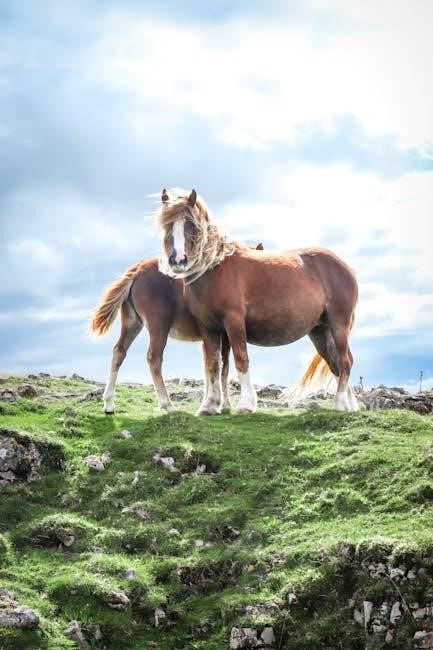
Lightly clipped horses, having lost some of their natural insulation, require more consideration when it comes to rugging․ Typically, a lightly clipped horse will benefit from a rug when temperatures drop to around 5°C (41°F) to 10°C (50°F)․ This is because the clip reduces their ability to trap warm air․
A lightweight rug (0-5°C rating) is usually sufficient in these conditions, providing a gentle layer of warmth․ Pay close attention to the horse’s behavior; shivering or seeking shelter are clear indicators they need additional protection․ Consider windchill – even at 8°C, a strong wind can make it feel much colder․
Avoid the temptation to over-rug․ Regularly check for signs of overheating, such as sweating․ Adjust rug weight as temperatures fluctuate, and remember that individual horses have different metabolic rates and tolerances․ Consistent monitoring is key to maintaining their comfort․
Temperature Thresholds for Rugging ‒ Fully Clipped Horses
Fully clipped horses, particularly those in full winter clip, are significantly more sensitive to cold weather and require consistent rugging․ These horses have minimal natural insulation and rely heavily on rugs for warmth․ Rugging is generally recommended when temperatures fall below 10°C (50°F), and often even warmer if windchill is a factor․
A medium-weight rug (5-10°C rating) is a good starting point, but be prepared to layer with a lighter under-rug as temperatures drop further․ Below 0°C (32°F), an extra heavyweight rug is essential․ Monitor closely for shivering, muscle tremors, or a hunched posture – these indicate the horse is cold․
Fully clipped horses are prone to overheating if over-rugged, so regular checks for sweating are crucial․ Remember, individual needs vary, and factors like age, health, and body condition influence their temperature regulation․ Proactive rugging management is vital for their wellbeing․
Considering Windchill Factor
Windchill dramatically impacts a horse’s perceived temperature, making them feel significantly colder than the actual thermometer reading․ Wind strips away the insulating layer of air around the horse’s coat, accelerating heat loss․ It’s crucial to factor windchill into your rugging decisions, even on days when the temperature appears moderate․
A breezy 5°C (41°F) can feel like -5°C (23°F) with a strong wind, necessitating a heavier rug than you might initially expect․ Pay attention to wind direction and shelter available – horses in exposed fields are more vulnerable․ Observe your horse for signs of discomfort, such as shivering or seeking shelter from the wind․
Windproof rugs are particularly beneficial in windy conditions, providing an extra layer of protection․ Consider using a neck cover to shield the horse’s neck and chest from the cold wind․ Always prioritize assessing the felt temperature, not just the displayed temperature, for optimal rugging choices․
The Role of Rainfall and Humidity
Rainfall and humidity significantly affect a horse’s ability to stay warm, even more so than temperature alone․ A wet coat loses much of its insulating ability, leaving the horse vulnerable to chilling․ Humidity exacerbates this effect, as moist air conducts heat away from the body more efficiently than dry air․
A waterproof and breathable rug is essential in wet conditions to keep the horse dry and comfortable․ Breathability prevents sweat buildup, which can also lead to chilling when the horse cools down․ Consider a rug with a waterproof rating suitable for the expected rainfall intensity․
High humidity, even without rain, can make a horse feel colder and require a heavier rug․ Monitor your horse closely during periods of high humidity and adjust rugging accordingly․ Providing shelter from prolonged exposure to rain and humidity is also crucial for maintaining their health and wellbeing․
Rug Weight Guide: Lightweight (0-5°C)
Lightweight rugs, typically rated for 0-5°C, are ideal for providing a slight layer of warmth during milder winter days or cool evenings․ These rugs are often used as a base layer for additional warmth when temperatures drop further․ They are suitable for unclipped horses who may benefit from a little extra protection against the chill, but don’t require significant insulation․
Look for lightweight rugs with around 50-100g of filling․ These offer sufficient warmth without causing overheating․ They are also useful for horses who are prone to sweating or who have a good natural covering․
Remember to consider individual horse needs and adjust rugging based on their condition, age, and workload․ A lightweight rug can also be used as a cooler after exercise to prevent the horse from becoming chilled․ Always check for signs of overheating or discomfort․
Rug Weight Guide: Medium Weight (5-10°C)
Medium weight rugs, generally suited for temperatures between 5-10°C, offer a balance between warmth and breathability․ These rugs are a versatile option for many horses during the transitional seasons – autumn and spring – or during milder periods within winter․ They are particularly useful for horses that are lightly clipped, providing sufficient insulation without causing excessive sweating․
Typically, medium weight rugs contain between 100-200g of filling․ This level of insulation helps to maintain a comfortable body temperature when the weather is cool but not severely cold․ They are a good choice for horses who are stabled for part of the day and turned out during milder periods․
Always monitor your horse for signs of being too hot or too cold, and adjust rugging accordingly․ Consider layering a lightweight rug underneath a medium weight rug for added flexibility in fluctuating temperatures․
Rug Weight Guide: Heavyweight (10-15°C)
Heavyweight rugs, designed for temperatures ranging from 10-15°C, provide substantial warmth and are crucial during colder periods․ These rugs are ideal for unclipped horses during the winter months, or for lightly clipped horses experiencing particularly chilly weather․ They offer significant insulation against the cold, helping to maintain a stable body temperature․
Typically, heavyweight rugs feature between 200-300g of filling․ This thicker layer traps more body heat, protecting the horse from the elements․ They are particularly beneficial for horses that are turned out for extended periods in cold, damp conditions․ However, careful monitoring is essential to prevent overheating, especially if the temperature rises unexpectedly․
Remember to consider windchill and rainfall when deciding whether a heavyweight rug is necessary․ Layering with a lighter rug underneath can provide added flexibility and allow for adjustments based on changing weather conditions․ Prioritize your horse’s comfort and well-being․
Rug Weight Guide: Extra Heavyweight (Below 0°C)
When temperatures plummet below 0°C, extra heavyweight rugs become essential for protecting your horse from the harshest winter conditions․ These rugs are designed to provide maximum warmth and are typically used for fully clipped horses, or unclipped horses in extremely cold climates․
Extra heavyweight rugs generally feature 300g or more of filling, offering superior insulation against freezing temperatures․ They are crucial for preventing hypothermia and maintaining a stable core body temperature․ Consider combining this with stable rugs for overnight protection․
However, it’s vital to monitor your horse closely when using an extra heavyweight rug․ Overheating can be a significant concern, even in cold weather, particularly if the horse is working or sheltered from the wind․ Ensure adequate ventilation and check for signs of discomfort․ Layering can be beneficial, allowing you to adjust the level of warmth as needed․ Prioritize safety and comfort during these frigid temperatures․
Layering Rugs for Flexibility
Layering rugs provides a versatile approach to horse rugging, allowing you to adapt to fluctuating temperatures and changing weather conditions effectively․ Instead of relying on a single, extremely heavy rug, layering allows for incremental adjustments to warmth․
A common layering system involves a lightweight liner rug underneath a medium or heavyweight top rug․ This allows you to add or remove the liner based on the temperature․ For example, on a chilly day, use both layers; as temperatures rise, remove the liner․ This prevents overheating and ensures your horse remains comfortable․
Consider waterproof and breathable outer layers for protection against rain and wind․ Layering also offers flexibility for horses with varying metabolic rates or those prone to sweating․ Regularly check for rubbing or pressure points when layering, and ensure the rugs fit correctly․ This adaptable system is a key component of successful rug management in the variable UK climate․
Monitoring Your Horse for Signs of Overheating
Recognizing overheating is crucial, as it can quickly become dangerous for your horse․ Regularly check your horse, especially during periods of mild weather when rugging decisions are tricky․ Subtle signs can indicate discomfort and potential heat stress․
Look for excessive sweating, even after the exertion has ceased․ A damp patch under the rug that doesn’t dry quickly is a warning sign․ Other indicators include increased respiratory rate, flared nostrils, and a general lethargy or unwillingness to move․ Check the horse’s gums; they should be pink and moist, not dry or flushed․
If you suspect overheating, immediately remove the rug and offer fresh, cool water․ Allow the horse to cool down in a shaded area․ If symptoms persist or worsen, contact your veterinarian․ Proactive monitoring and prompt action are vital to prevent heat exhaustion and ensure your horse’s wellbeing, particularly when utilizing rugs․
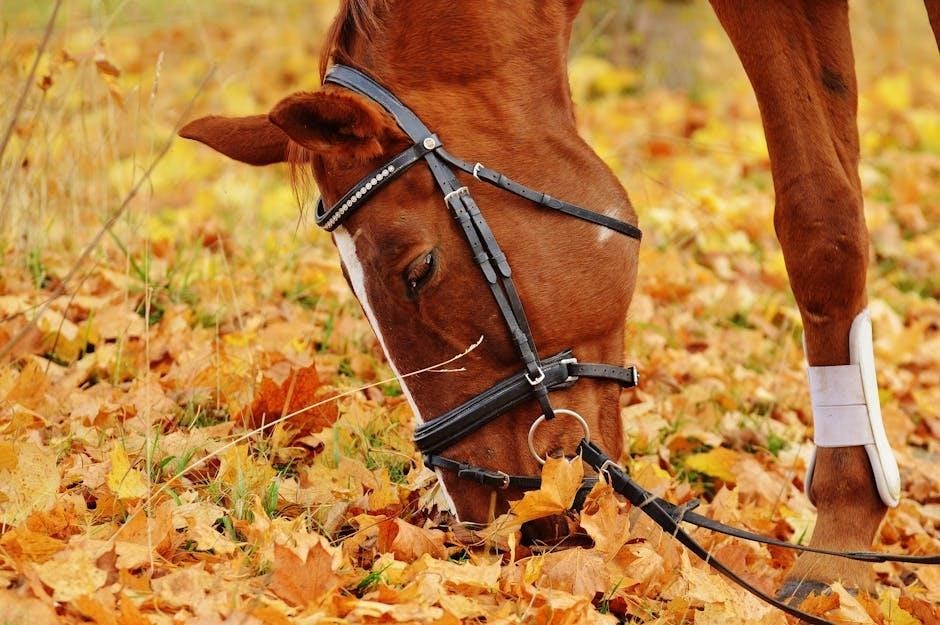
Monitoring Your Horse for Signs of Being Cold
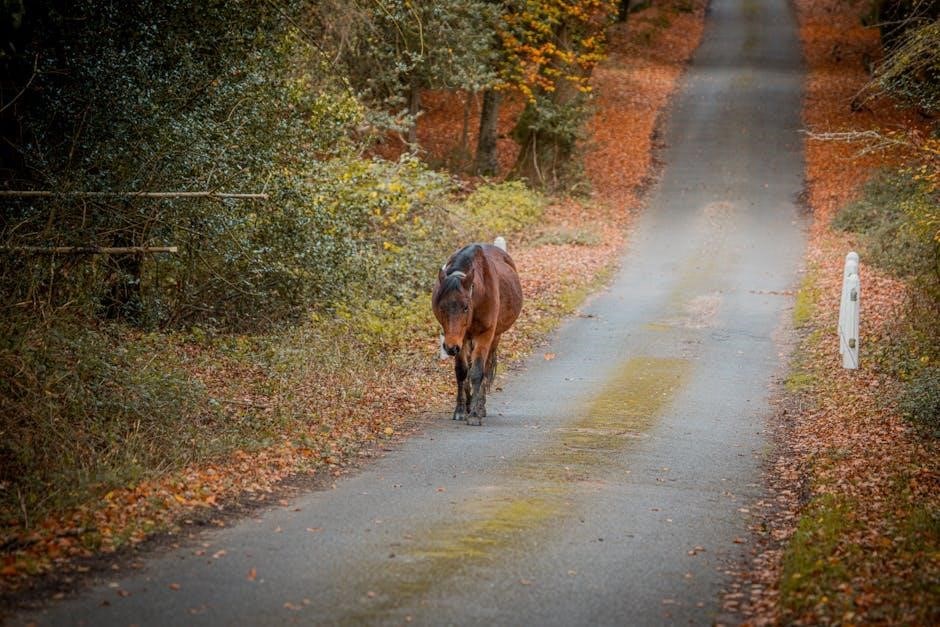
Detecting cold stress in horses requires careful observation․ While a winter coat provides significant insulation, certain conditions necessitate rugging, and recognizing when a horse is cold is paramount․ Look beyond shivering, as this is a late-stage sign․
Early indicators include a hunched posture, with the back rounded and the head lowered․ The horse may also stand with legs tucked under the body to conserve heat․ Muscle tremors, even without visible shivering, can suggest coldness․ Feel the horse’s ears – if they are cold to the touch, it’s a strong indication they are losing body heat․
Check for piloerection – the raising of hairs on the skin – which creates a layer of trapped air for insulation․ If you observe these signs, add a rug or consider moving the horse to a sheltered environment․ Consistent monitoring, especially during fluctuating temperatures, is key to maintaining your horse’s comfort and preventing hypothermia․
Checking Rug Fit to Prevent Rubbing
Proper rug fit is crucial for comfort and preventing pressure sores․ A poorly fitted rug can cause rubbing, leading to hair loss and even skin infections․ Begin by ensuring the rug allows full shoulder movement – a ‘bridging’ effect at the withers is a common issue․
Check for tightness across the chest; you should be able to comfortably slide a hand between the rug and the horse’s body․ The belly straps should be snug, but not restrictive, allowing for digestion․ Tail flaps should be long enough to protect the hindquarters from the elements, but not drag on the ground․
Regularly inspect the rug for wear and tear, particularly around closures and seams․ Look for any areas where the rug is putting pressure on bony prominences․ Remember to check under the rug daily for any signs of rubbing or irritation․ A well-fitted rug is a happy horse!
Common Rugging Mistakes to Avoid
Over-rugging is a frequent error, suppressing a horse’s natural thermoregulation․ Healthy, unclipped horses can tolerate surprisingly low temperatures – down to 0°C – without a rug․ Always prioritize allowing the horse to build its own natural defenses․
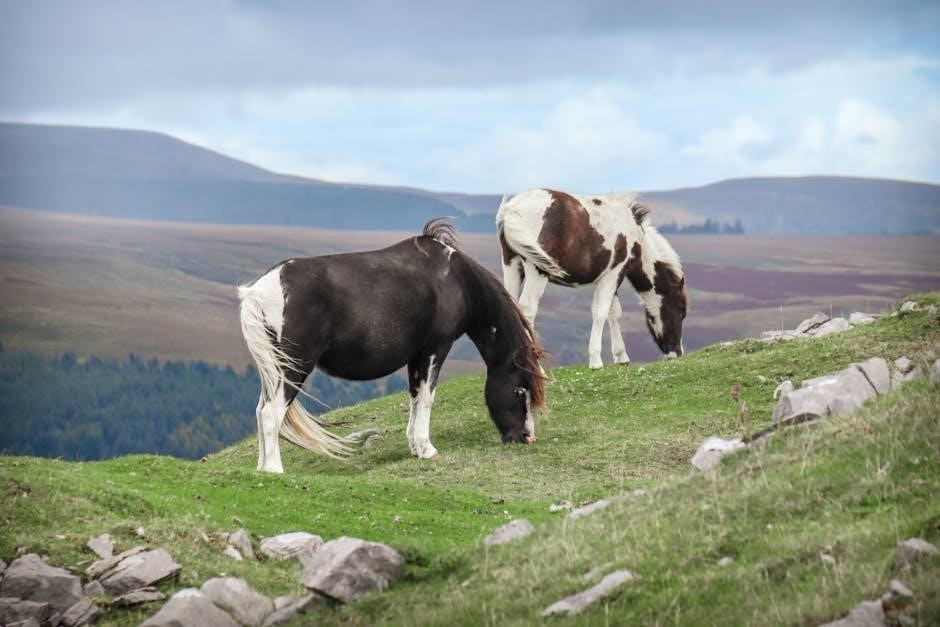
Another mistake is neglecting to check rug fit regularly․ Horses gain and lose weight, and rugs can shift, creating pressure points and rubs․ Failing to layer rugs appropriately for fluctuating temperatures is also common; it’s better to use multiple lighter rugs than one excessively heavy one․
Ignoring windchill and rainfall is a significant oversight․ These factors dramatically increase heat loss․ Finally, don’t assume a horse needs a rug simply because it’s cold to you․ Monitor your horse’s behavior and adjust rugging accordingly․ Prioritize observation over assumption!
Horse Breed Considerations & Rugging
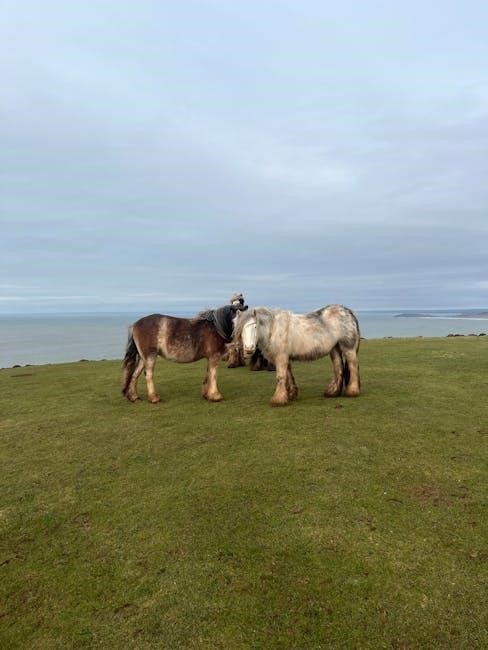
Breed significantly impacts rugging needs․ Native breeds like Highland ponies and Fell ponies, evolved in harsh climates, generally require less rugging than refined breeds like Thoroughbreds or Arabians․ These hardy breeds possess thicker coats and greater natural insulation․
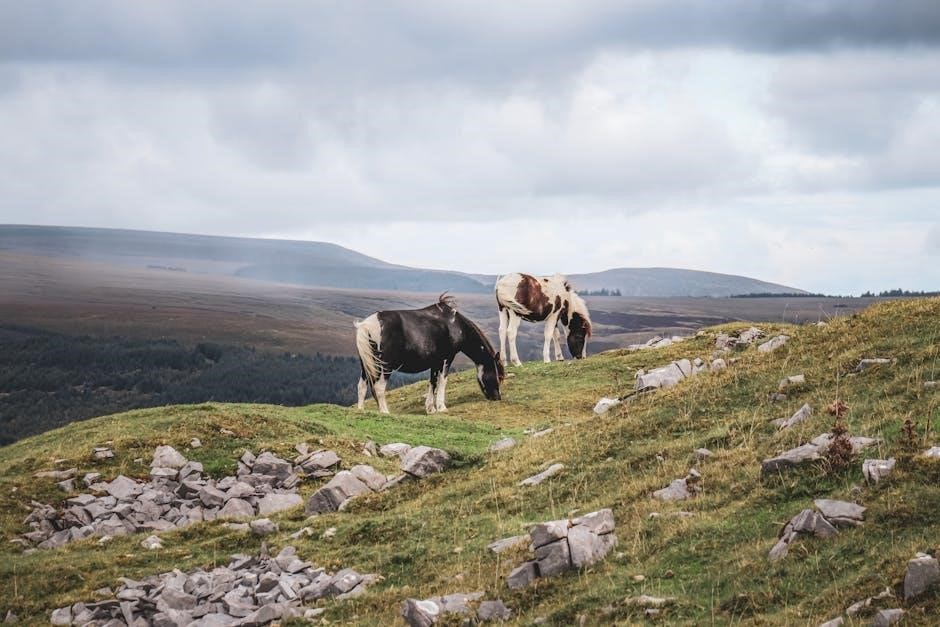
Draft horses, with their substantial size and often slower metabolisms, may feel the cold more keenly and benefit from earlier and heavier rugging․ Conversely, horses originating from warmer climates, even when residing in the UK, may be more sensitive to cold and require more protection․
Consider coat density and body condition․ A horse carrying extra weight will retain more heat․ Pay attention to individual variations within breeds; some horses simply feel the cold more than others․ Observe your horse closely and adjust rugging based on its specific needs, not just its breed!
Regional Variations in UK Weather & Rugging Needs
UK weather is notoriously variable, demanding regionally tailored rugging strategies․ Scotland and Northern England experience colder, wetter winters with frequent windchill, necessitating heavier rugs and potentially layering systems earlier in the season․
Southern England and Wales generally enjoy milder winters, allowing for lighter rugs or even no rugs at all for hardy, unclipped horses․ Coastal areas, exposed to strong winds, require increased rug weight to combat windchill, even if the ambient temperature isn’t exceptionally low․
Microclimates also play a role․ Sheltered valleys may be significantly warmer than exposed hillsides․ Regularly monitor local weather forecasts and adjust rugging accordingly․ Be prepared to adapt quickly to sudden changes in temperature or precipitation․ A flexible approach is key to keeping your horse comfortable throughout the UK’s diverse seasons!
Leave a Reply
You must be logged in to post a comment.