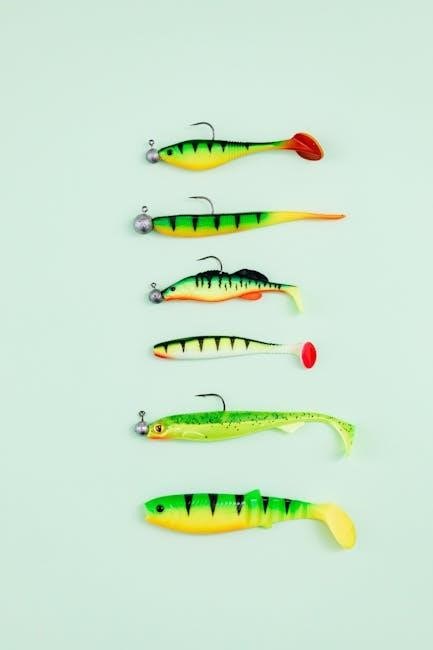
Fishing demands preparedness, and effective tackle storage is paramount. Properly organizing gear, like soft bait packages, ensures quick access and extends equipment lifespan, enhancing every fishing experience.
Why Organize Your Fishing Tackle?
Disorganized tackle leads to wasted fishing time – precious moments lost rummaging instead of reeling. A streamlined system allows anglers to swiftly locate lures, hooks, and lines, maximizing time on the water. Consider the frustration of a tangled mess when a prime bite window appears!
Effective organization also protects your investment. Tackle, especially soft plastics, can degrade if improperly stored. Dedicated storage, like boxes with adjustable dividers, prevents damage and extends the life of your gear. Furthermore, a clear view of your inventory prevents duplicate purchases, saving money in the long run. Prioritizing organization translates directly to more successful and enjoyable fishing trips.
Benefits of a Well-Organized Tackle System
A meticulously organized tackle system dramatically improves efficiency on the water. Imagine instantly accessing the precise lure needed for changing conditions – no more frantic searching! This responsiveness increases your chances of capitalizing on fleeting opportunities and landing more fish.
Beyond efficiency, organization fosters better tackle care. Protecting soft bait packages and preventing corrosion extends the lifespan of your gear, saving you money. A well-maintained system also allows for quick inventory checks, ensuring you’re always prepared. Ultimately, a streamlined tackle setup reduces stress, allowing you to fully immerse yourself in the enjoyment of fishing.
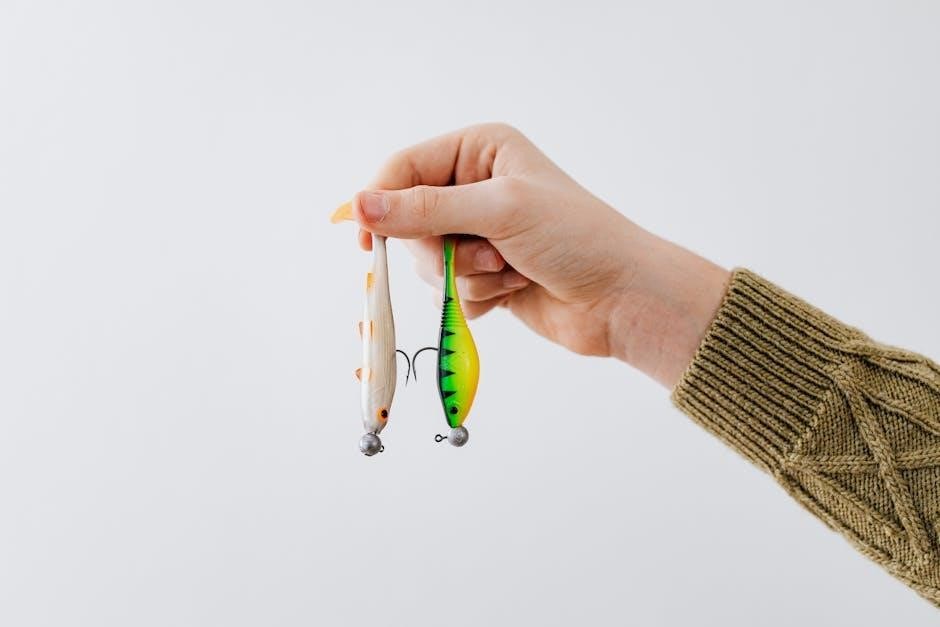
Essential Tackle Storage Containers
Selecting the right containers – boxes, bags, or bins – is crucial for effective tackle management, especially when considering customized options for soft bait organization.
Tackle Boxes: Hard vs. Soft
Choosing between hard and soft tackle boxes depends on your fishing style and needs. Hard tackle boxes offer superior protection for delicate lures and components, safeguarding against crushing impacts during transport. They often feature robust latches and waterproof seals, ideal for harsh conditions. However, they can be bulky and heavier.
Soft tackle boxes, conversely, prioritize portability and flexibility. Constructed from durable fabrics, they’re lighter and easier to carry, often incorporating multiple compartments and pockets for organized storage. These are excellent for anglers who frequently move locations or prefer a streamlined setup. Consider the size and type of tackle you’ll be storing – soft boxes excel with soft bait packages, while hard boxes suit larger, more fragile items.
Tackle Bags: Portability and Convenience
Tackle bags represent a fantastic balance between storage capacity and ease of transport. Unlike rigid boxes, they conform to available space, making them ideal for boat storage or carrying long distances to your fishing spot. Many designs incorporate padded shoulder straps and comfortable handles for enhanced portability.
Internal organization is key; look for bags with adjustable dividers to customize compartments for specific tackle types – from soft bait packages to terminal tackle. External pockets provide quick access to frequently used items like tools or leader material. Tackle bags are particularly well-suited for anglers who prioritize mobility and require a versatile storage solution that adapts to various fishing scenarios.
Plastic Bins and Dividers: Customization Options
For anglers seeking ultimate control over their tackle organization, plastic bins with adjustable dividers offer unparalleled customization. These systems allow you to create compartments tailored to the exact size and shape of your gear, maximizing space and preventing tangles.
Clear bins provide instant visibility of contents, eliminating the need to rummage through piles of tackle. Dividers can be repositioned or added as your collection grows and evolves. This is an excellent solution for storing larger items, or for creating dedicated sections for specific fishing techniques. Consider using waterproof bins to protect against moisture and corrosion, especially during seasonal storage.
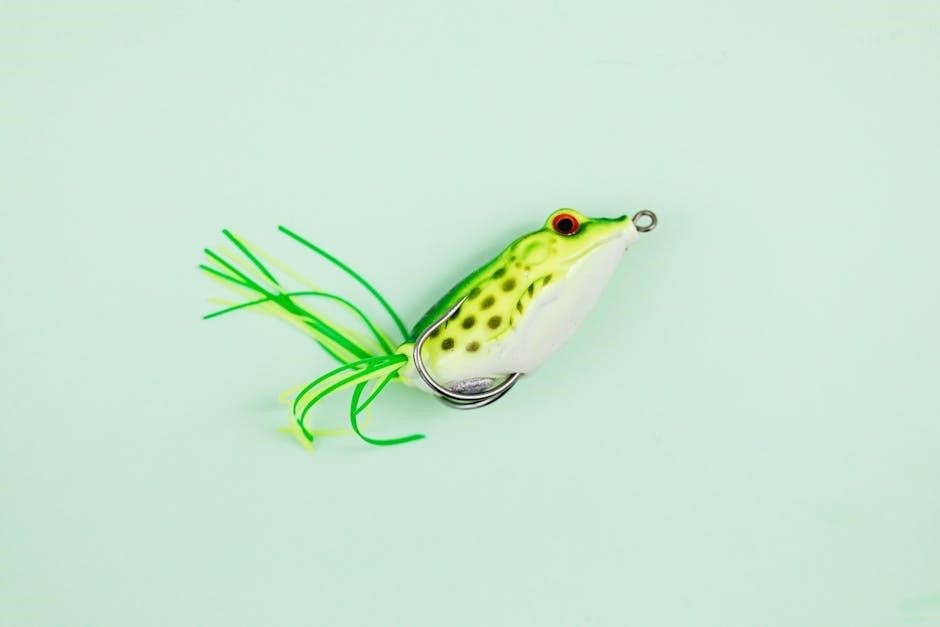
Rod and Reel Storage Solutions
Protecting rods and reels is crucial; utilize racks, covers, and sleeves to prevent damage from impacts, scratches, and environmental factors during storage.
Rod Racks: Vertical and Horizontal Options
Rod racks are essential for organized and safe storage, preventing damage and maximizing space. Vertical racks efficiently utilize wall space, ideal for limited areas, securely holding rods upright. Horizontal racks, often wall-mounted or freestanding, offer easy access and display, accommodating various rod lengths and quantities.
Consider the number of rods you own and available space when choosing a rack. Ensure the rack material is durable and padded to protect rod finishes. Proper installation is vital for stability and preventing accidental falls. Regularly inspect racks for wear and tear, ensuring continued secure rod support. A well-chosen rod rack preserves your investment and simplifies your fishing preparation.
Reel Covers: Protecting Your Investment
Reel covers are a simple yet crucial component of comprehensive tackle storage, safeguarding your reels from dust, scratches, and potential corrosion. These covers, often made from neoprene or durable nylon, shield sensitive components like gears and bearings from environmental factors during storage and transport.
Investing in reel covers extends the lifespan of your reels, maintaining optimal performance. Ensure a snug fit for maximum protection, and consider covers designed for specific reel sizes. Regularly inspect covers for damage and replace them as needed. Proper reel protection minimizes costly repairs and ensures your reels are always ready for action, preserving your angling investment.
Rod Sleeves: Preventing Scratches and Tangling
Rod sleeves are essential for protecting your fishing rods during storage and travel, preventing frustrating scratches and tangles. Constructed from soft, durable materials like nylon or reinforced fabric, these sleeves encase each rod section, shielding the finish and guides from impact and abrasion.
Using rod sleeves simplifies organization, allowing for neat stacking and preventing rods from becoming intertwined. They’re particularly valuable when transporting rods in vehicles or storing them in crowded spaces. Regularly check sleeves for tears and replace them to maintain optimal protection. Investing in quality rod sleeves preserves your rods’ value and ensures they remain in prime fishing condition.

Organizing Specific Tackle Types
Categorizing lures, soft plastics, hooks, and line spools streamlines access. Dedicated compartments prevent tangles, melting, and loss, maximizing efficiency on the water.
Lure Organization: Spinnerbaits, Crankbaits, and Jigs
Effective lure management is crucial for any angler. Spinnerbaits, with their multiple components, benefit from individual compartments or slotted dividers within a tackle box. This prevents skirt fraying and hook tangles. Crankbaits, prone to chipping, should be stored in padded sections or within lure wraps to protect their finish.
Jigs, often rigged with trailers, require space to avoid snagging. Utilize tackle bags with individual sleeves or dedicated jig boxes featuring foam inserts to secure hooks. Separating lures by type, color, and size further enhances organization, allowing for rapid selection during critical fishing moments. Consistent organization saves valuable time and ensures your lures remain in prime condition.
Soft Plastic Bait Storage: Preventing Melting and Sticking
Soft plastic baits are susceptible to melting and sticking, demanding specialized storage solutions. Avoid direct sunlight and high temperatures, which accelerate degradation. Dedicated plastic worm boxes, often with drainage holes, are ideal. Alternatively, resealable bags containing a small amount of cornstarch or talcum powder can minimize adhesion.
Storing different colors and styles separately prevents dye transfer and maintains their integrity. Regularly check for any signs of tackiness or melting, discarding compromised baits. Proper ventilation is key; avoid airtight containers that trap moisture. A cool, dry environment is essential for preserving the longevity and effectiveness of your soft plastics.
Hook and Weight Organization: Small Parts Management
Hooks and weights, being small, easily become lost or mixed up without proper organization. Utilize compartmentalized tackle boxes with adjustable dividers to separate sizes and styles. Small plastic containers, bead organizers, or pill bottles are excellent for hooks, preventing tangling and rust.
Weights can be sorted by size and type – split shot, bullet weights, etc. – into dedicated sections. Labeling each compartment is crucial for quick identification. Consider using rust-inhibiting sprays or silica gel packets to protect metal components from corrosion. A well-organized system saves time and frustration on the water, ensuring you have the right component readily available.
Line Spool Storage: Avoiding Tangles and Weakening
Fishing line is susceptible to damage and tangles if improperly stored. Store spools in a cool, dark, and dry location, away from direct sunlight and extreme temperatures. Utilize spool holders or dedicated line storage boxes to prevent flattening or kinking.
Avoid stacking heavy items on top of line spools, as this can compromise the line’s integrity. Consider storing different line types (monofilament, fluorocarbon, braid) separately to avoid confusion. Regularly check spools for any signs of weakening or UV damage. Proper storage extends line life and ensures optimal performance during your fishing trips.
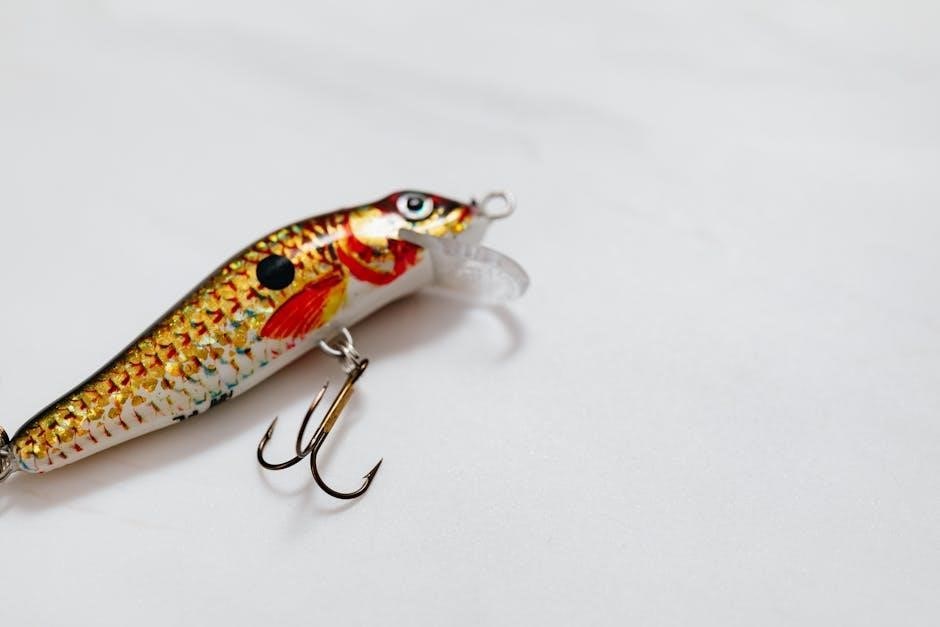
Cleaning and Maintenance Before Storage
Before storing tackle, thoroughly rinse off dirt and saltwater. Lubricate reels and guides to prevent corrosion, ensuring longevity and smooth operation for future fishing adventures.
Rinsing and Drying Tackle
After each fishing trip, dedicate time to rinsing all your tackle thoroughly. Saltwater is incredibly corrosive, and even freshwater can harbor damaging minerals. Use a gentle stream of water – a garden hose with a spray nozzle works well – to remove any debris, salt crystals, or grime from lures, hooks, weights, and other components.
Pay special attention to reels, ensuring the line and spool are also rinsed. Once rinsed, the crucial step is drying. Allow tackle to air dry completely in a shaded, well-ventilated area. Avoid direct sunlight, as it can damage certain materials. For reels, consider manually drying with a clean cloth to expedite the process and prevent internal corrosion. Properly drying your tackle is a foundational step in preserving its condition and ensuring its readiness for your next angling adventure.
Lubricating Reels and Rod Guides
Before long-term storage, or even after frequent use, lubricating your fishing gear is essential for smooth operation and preventing corrosion; For reels, apply a reel-specific lubricant to the spool, bearings, and handle. This reduces friction and protects against rust. Avoid over-lubricating, as excess can attract dirt and grime.
Similarly, rod guides benefit from a light coating of lubricant. This minimizes line friction, extending line life and improving casting distance. A silicone-based spray or a specialized rod guide lubricant works best. Wipe away any excess lubricant with a clean cloth. Regular lubrication ensures your equipment remains in optimal condition, ready for action whenever you hit the water, and safeguards against costly repairs or replacements.
Checking for Corrosion and Damage
A thorough inspection is crucial before storing any fishing tackle. Carefully examine all metal components – hooks, lures, swivels, and reel parts – for signs of rust or corrosion. Address any corrosion immediately with a rust remover or preventative spray. Inspect fishing line for abrasions, fraying, or weakness, replacing it if necessary.
Check rod guides for cracks or chips, and ensure they are securely attached. Look for any damage to the rod blank itself, such as cracks or delamination. Addressing these issues proactively prevents further deterioration during storage and ensures your tackle is safe and reliable when you’re ready to fish. Don’t overlook small details; they can save you money and frustration later.
Seasonal Tackle Storage
Preparing tackle for off-season requires cleaning, drying, and protecting it from extreme temperatures to prevent damage and ensure readiness for the next fishing season.
Preparing Tackle for Off-Season Storage
As the fishing season winds down, diligent preparation for storage is crucial. Begin by thoroughly rinsing all tackle with fresh water to remove salt, dirt, and debris that can cause corrosion. Ensure everything is completely dry before storing – moisture is a primary culprit in off-season damage.
Remove hooks from lures to prevent snagging and potential injury. Line should be spooled off reels, or at least loosened, to maintain its integrity. Lubricate reels and rod guides with a quality protectant. Store tackle in a cool, dry place, away from direct sunlight and extreme temperatures. Consider using desiccant packs to absorb any residual moisture within storage containers, further safeguarding your valuable fishing gear.
Protecting Tackle from Extreme Temperatures
Fluctuating temperatures pose a significant threat to fishing tackle during off-season storage. Avoid storing gear in uninsulated attics, garages, or sheds where temperatures can swing dramatically. Extreme heat can melt soft plastics, warp lures, and degrade line, while freezing temperatures can cause cracking and brittleness.
Opt for climate-controlled environments like a basement or interior closet. If such options aren’t available, insulate storage containers with blankets or foam padding. Consider using airtight, waterproof containers to further buffer against temperature changes and moisture. Proper temperature regulation ensures your tackle remains in prime condition, ready for the next fishing season.
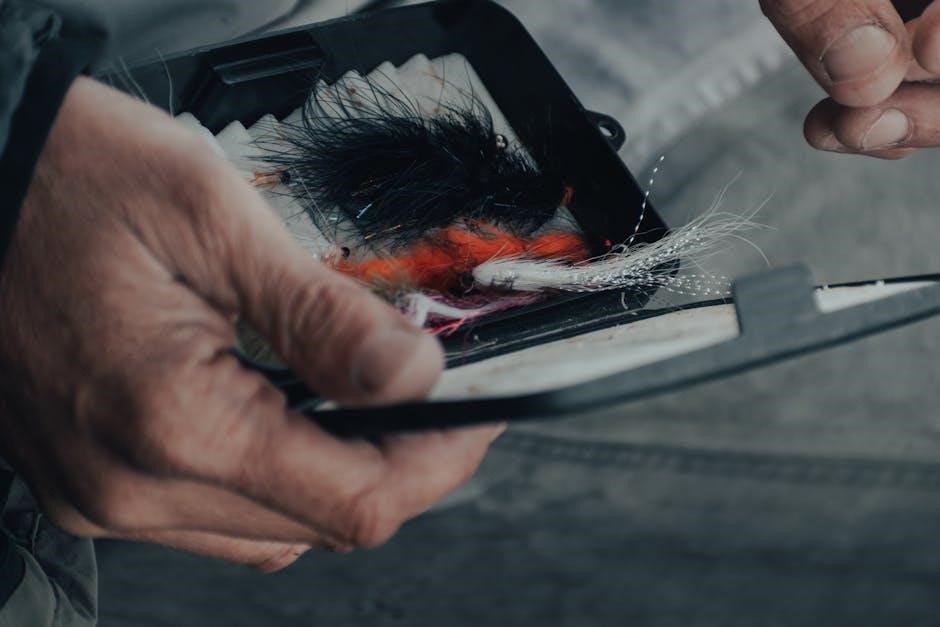
Advanced Tackle Organization Techniques
Detailed labels and comprehensive inventory lists streamline tackle management. A customized system, prioritizing frequently used items, maximizes efficiency and minimizes wasted time on the water.
Using Tackle Labels and Inventory Lists
Implementing a labeling system transforms chaotic tackle storage into an organized haven. Clearly label each container – tackle boxes, bags, or bins – with its contents. Be specific: “Spinnerbaits – White/Chartreuse,” or “Soft Plastics – Worms, 6-inch.” This eliminates guesswork and speeds up rig selection.
Complement labeling with a detailed inventory list. A simple spreadsheet or notebook suffices. Record each item, quantity, and its corresponding container label. Regularly update this list after each fishing trip, noting any used or replaced items. This prevents frustrating discoveries of missing lures or hooks.
Consider color-coding labels by tackle type (e.g., red for lures, blue for hooks). This visual cue further enhances organization. Digital inventory apps are also available, offering advanced features like cost tracking and restocking reminders.
Creating a Tackle Storage System That Works for You
Personalization is key to effective tackle organization. Begin by assessing your fishing style and the types of tackle you use most frequently. Prioritize easy access to these items. Consider your available space – a garage, basement, or even a dedicated fishing room.
Don’t be afraid to experiment with different container arrangements. Adjustable dividers within tackle boxes are invaluable for customizing compartments. Utilize vertical space with rod racks and shelving units. Group similar items together – all crankbaits in one box, all soft plastics in another.
Regularly evaluate and refine your system. What’s working? What’s not? Adjust container sizes, label placements, and overall layout as needed. A flexible system adapts to your evolving tackle collection and fishing preferences.
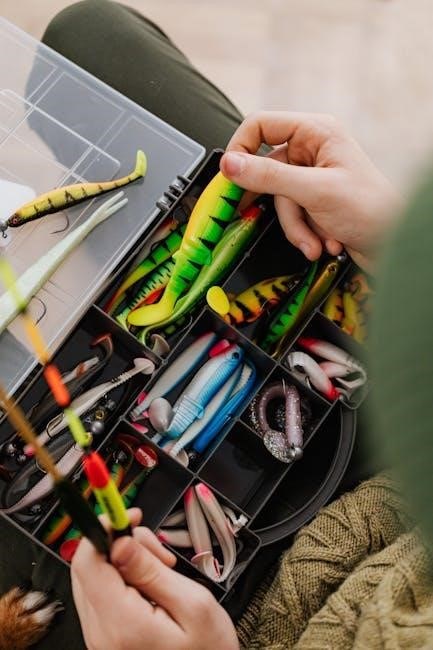
Troubleshooting Common Tackle Storage Problems
Rust, corrosion, and lost items plague anglers. Regularly inspect tackle, address issues promptly, and ensure secure storage to maintain gear quality and accessibility.
Dealing with Rust and Corrosion
Rust and corrosion are relentless enemies of fishing tackle, especially in humid environments. Prevention begins with thorough rinsing after each use, removing salt and grime that accelerate deterioration. Completely dry all components – hooks, weights, lures, and reels – before storing them.
For existing rust, gentle abrasion with a fine steel wool or a specialized rust remover can be effective, followed by a protective coating. Silicone sprays or corrosion inhibitors create a barrier against moisture. Regularly inspect tackle for early signs of corrosion, addressing them before they become severe. Proper storage in a dry, well-ventilated area is crucial for long-term preservation, safeguarding your investment and ensuring reliable performance on the water.
Preventing Tackle from Getting Lost or Damaged
Lost or damaged tackle disrupts fishing trips and drains your wallet. Securely fasten lures with hooks covered when placed in boxes or bags to avoid snags and injuries. Utilize dividers within tackle storage to prevent items from colliding and becoming damaged during transport.
Always close tackle boxes and bags properly, ensuring latches are secure; Consider using rod sleeves to protect rod guides from breakage and scratches. A dedicated space for tackle, away from heavy foot traffic or potential hazards, minimizes the risk of accidental loss or damage. Implementing these simple precautions extends the life of your gear and maximizes your time fishing.
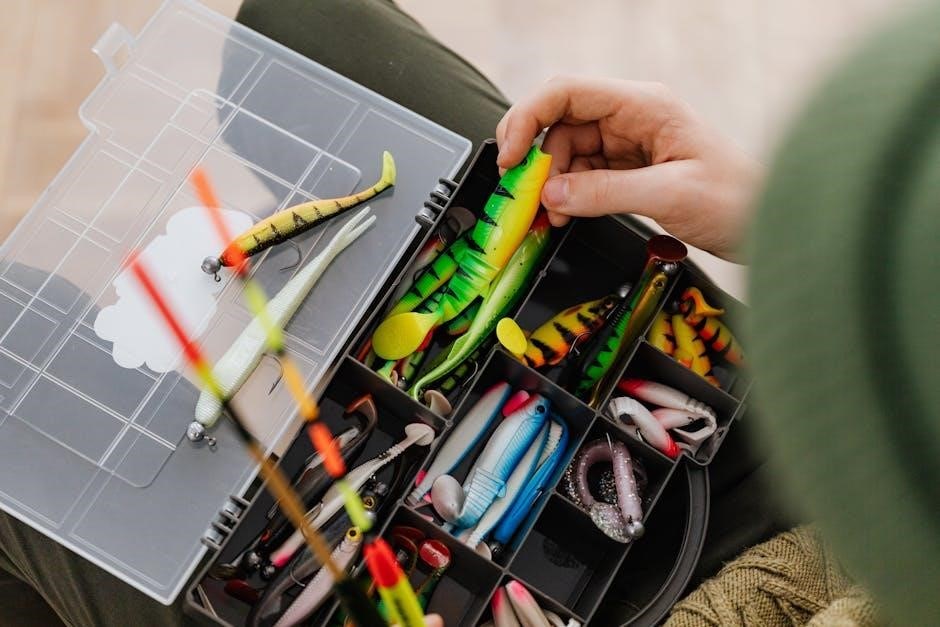
Budget-Friendly Tackle Storage Options
Repurposed containers and DIY solutions offer cost-effective tackle organization. Affordable boxes and bags provide essential storage without breaking the bank, keeping gear secure.
DIY Tackle Storage Solutions
Embracing do-it-yourself tackle storage can significantly reduce costs while providing customized organization. Consider utilizing old plastic toolboxes with adjustable dividers to separate lures, hooks, and weights. Repurposed food containers, like those from deli salads or bakery items, are excellent for storing soft plastic baits, preventing melting and sticking.
Simple shelving units constructed from reclaimed wood offer a robust solution for rod and reel storage. PVC pipes, cut to appropriate lengths, can create individual rod holders, protecting them from damage. Even old coffee cans, thoroughly cleaned and labeled, can effectively hold smaller items like swivels and split shots. The key is creativity and adapting readily available materials to suit your specific tackle needs, ensuring everything has a designated place.
Affordable Tackle Boxes and Bags
For anglers on a budget, numerous affordable tackle storage options exist. Basic plastic tackle boxes with a few trays provide excellent compartmentalization for lures, hooks, and terminal tackle. Soft-sided tackle bags offer portability and often include multiple pockets and pouches for organized storage.
Look for sales and discounts at sporting goods stores or online retailers. Consider starter kits that bundle a tackle box with essential accessories. Prioritize boxes with adjustable dividers to customize the layout for your specific gear. Even a simple, inexpensive bag can dramatically improve organization compared to a disorganized pile. Remember, effective storage doesn’t require expensive equipment, just thoughtful planning.
Investing time in a well-organized tackle storage system yields significant rewards. By implementing strategies like utilizing adjustable dividers within tackle boxes, and properly storing soft bait packages, you’ll minimize frustrating searches for essential gear. A dedicated system ensures everything has a place, streamlining your pre-fishing preparation and maximizing time on the water.
Ultimately, effective tackle management isn’t just about organization; it’s about enhancing your overall fishing experience. Spend less time untangling lines or rummaging through clutter, and more time enjoying the tranquility and excitement of angling. A little preparation leads to a lot more fishing!
Leave a Reply
You must be logged in to post a comment.