
Physical Geology Lab Manuals are essential guides, walking students through hands-on experiences to understand Earth’s dynamic systems and complex geological processes․
Purpose of a Physical Geology Lab Manual
A Physical Geology Lab Manual serves as a crucial companion to the lecture portion of the course, bridging theoretical concepts with practical application․ Its primary purpose is to provide students with direct experience in observing, identifying, and analyzing Earth materials – minerals, rocks, and geological structures․
These manuals guide students through specific exercises designed to develop critical thinking and problem-solving skills․ They facilitate a deeper understanding of geological principles by requiring students to actively engage with the material, rather than passively receiving information․ The manual also prepares students for fieldwork, offering a foundation for future geological investigations and professional pursuits․
Importance of Hands-on Learning
Hands-on learning within a Physical Geology Lab is paramount for solidifying understanding․ Simply reading about rocks or minerals isn’t enough; students need to physically interact with specimens to truly grasp their properties and characteristics․ This tactile experience enhances observation skills and fosters a deeper connection to the material․
Laboratory exercises allow students to apply theoretical knowledge to real-world examples, strengthening analytical abilities․ Identifying rocks, interpreting geological maps, and performing basic tests build confidence and prepare students for more advanced studies․ This active engagement promotes long-term retention and a more comprehensive understanding of Earth’s processes․
Mineral Identification

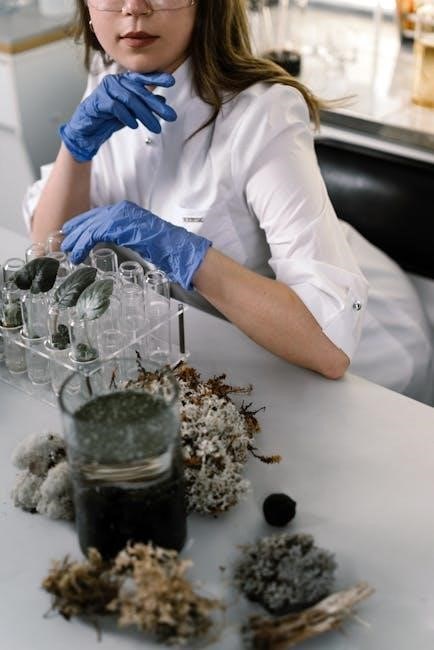
Mineral identification relies on observing physical properties, utilizing tools, and systematically applying tests outlined in the lab manual for accurate classification․
Tools for Mineral Identification
A comprehensive physical geology lab manual details essential tools for mineralogic study․ These include a hand lens for close examination of crystal forms and textures, a streak plate – typically unglazed porcelain – to determine mineral color in powdered form, and hardness testing kits featuring minerals from the Mohs scale;
Additionally, students utilize a steel nail or glass plate for approximate hardness assessment, and often, a magnet to identify magnetic minerals․ Acid bottles containing dilute hydrochloric acid (HCl) are crucial for carbonate mineral identification, producing effervescence upon reaction․ Proper safety protocols, as emphasized in the manual, are paramount when handling these tools and chemicals․ Accurate identification hinges on correct tool usage and careful observation․
Physical Properties of Minerals
A physical geology lab manual emphasizes observing key mineral properties for identification․ These include color, streak, luster (metallic or non-metallic), and crystal form․ Cleavage – the tendency to break along specific planes – and fracture patterns are also critical․ Density, determined by specific gravity, provides further clues․
Other important properties detailed in the manual are magnetism, reaction to acid (especially for carbonates), and tenacity (brittleness, malleability, or ductility)․ Understanding these characteristics, and how they relate to a mineral’s chemical composition and internal structure, is fundamental to accurate mineral identification in a laboratory setting․
Hardness and the Mohs Scale
A physical geology lab manual dedicates significant attention to mineral hardness, assessed using the Mohs Hardness Scale․ This relative scale, ranging from 1 (talc) to 10 (diamond), determines a mineral’s resistance to scratching․ The manual guides students through scratch tests, comparing unknown minerals against known standards․
Students learn that a mineral can scratch any substance lower than its Mohs number, but will be scratched by anything higher․ This practical exercise reinforces understanding of mineral composition and bonding․ The manual often includes exercises to predict hardness based on chemical formulas and crystal structure․
Identifying Common Minerals
A physical geology lab manual provides systematic exercises for identifying frequently encountered minerals․ Students utilize previously learned properties – color, streak, luster, cleavage, hardness, and density – to narrow down possibilities․ The manual typically features detailed descriptions and images of key minerals, aiding in accurate identification․
Common identification tasks involve distinguishing between similar-looking minerals, like pyrite (“fool’s gold”) and chalcopyrite․ Lab exercises emphasize careful observation and the use of diagnostic properties․ Students learn to utilize identification keys and flowcharts, building crucial skills for future geological investigations․
Quartz and Feldspars
A physical geology lab manual dedicates significant attention to quartz and feldspars, as they are the most abundant minerals in Earth’s crust․ Quartz, identifiable by its hardness and lack of cleavage, presents in various forms – clear, milky, or colored․ Feldspars, exhibiting two directions of cleavage, are categorized into potassium feldspar and plagioclase․
Lab exercises focus on differentiating between these feldspar groups using streak plate tests and careful observation of cleavage angles․ Students learn to recognize the characteristic luster and habit of each mineral, enhancing their ability to identify them in rock samples and understand their geological significance․
Mica and Other Sheet Silicates
A physical geology lab manual thoroughly explores mica and other sheet silicate minerals, crucial components of many rock types․ Mica, characterized by its perfect basal cleavage, splits easily into thin, flexible sheets․ Common varieties include muscovite (clear) and biotite (dark)․ Lab exercises emphasize identifying mica based on its cleavage, luster, and color․
Beyond mica, the manual introduces other sheet silicates like chlorite and serpentine․ Students learn to differentiate these minerals through careful observation of their physical properties and utilizing diagnostic tests․ Understanding sheet silicates is vital for interpreting the formation and composition of metamorphic rocks․
Igneous Rock Identification
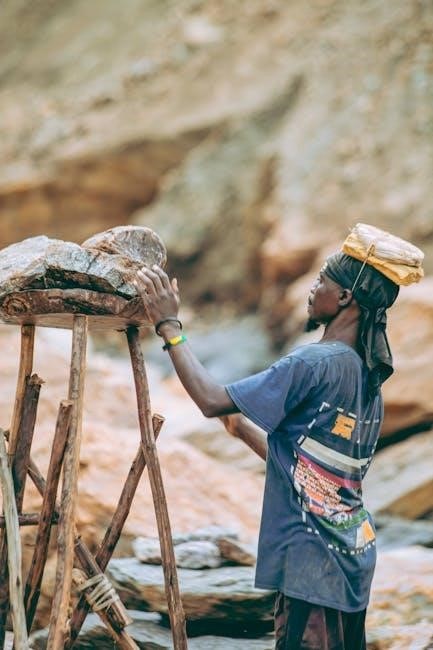
A physical geology lab manual guides students in classifying igneous rocks based on texture and composition, revealing their cooling history and origins․
Classifying Igneous Rocks
A comprehensive physical geology lab manual details igneous rock classification, primarily based on their chemical composition – specifically silica content – and mineralogy․ This dictates whether a rock is felsic, intermediate, mafic, or ultramafic․
Students learn to utilize classification diagrams, like the QAPF diagram, to precisely categorize rocks․ The manual emphasizes understanding the relationship between magma source, cooling rate, and resulting rock type․ Identifying key minerals within the rock, such as quartz, feldspar, and pyroxene, is crucial for accurate classification․
Furthermore, the manual guides students through recognizing the impact of different crystallization processes on the overall rock composition and texture, providing a holistic understanding of igneous rock formation․
Texture of Igneous Rocks
A physical geology lab manual thoroughly explores igneous rock textures, vital clues to their formation history․ Texture describes the size, shape, and arrangement of mineral grains within the rock․ Key textures include phaneritic (coarse-grained, visible crystals), aphanitic (fine-grained, microscopic crystals), and porphyritic (large crystals in a fine-grained matrix)․
The manual details how cooling rate dictates texture; slow cooling fosters large crystal growth, while rapid cooling results in small or absent crystals․ Students learn to differentiate between textures formed in intrusive (plutonic) and extrusive (volcanic) environments․
Understanding vesicular, glassy, and fragmental textures, indicative of gas escape or rapid solidification, is also emphasized, providing a complete textural analysis skillset․
Intrusive vs․ Extrusive Textures
A physical geology lab manual meticulously contrasts intrusive and extrusive igneous rock textures․ Intrusive rocks, cooling slowly within the Earth, exhibit phaneritic textures – large, visible crystals due to prolonged cooling allowing ample crystal growth․ Granite is a prime example, showcasing interlocking mineral grains․
Conversely, extrusive rocks, solidifying rapidly on the Earth’s surface from lava or ash, display aphanitic textures – microscopic crystals, or even glassy textures if cooling is instantaneous․ Basalt, with its fine-grained composition, exemplifies this․
The manual guides students to identify these textural differences, linking them directly to the rocks’ origins and cooling histories, solidifying understanding of igneous rock formation․
Identifying Common Igneous Rocks
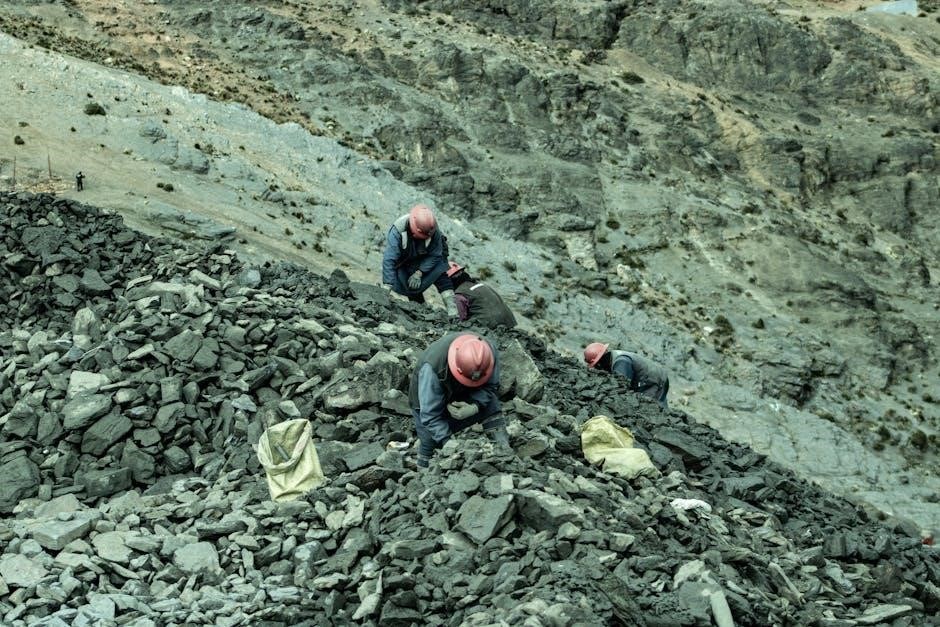
A physical geology lab manual provides systematic exercises for identifying common igneous rocks․ Students learn to differentiate granite – a coarse-grained, felsic intrusive rock with visible quartz, feldspar, and mica – from basalt, a fine-grained, mafic extrusive rock often dark in color․
The manual emphasizes observing mineral composition, texture (phaneritic vs․ aphanitic), and color․ Detailed descriptions and comparative charts aid in accurate identification․ Students practice using these characteristics to classify unknown samples․
Further exercises may include identifying rocks like diorite, gabbro, and obsidian, reinforcing the connection between composition, texture, and geological origin․
Granite and Basalt
A physical geology lab manual dedicates significant attention to granite and basalt, quintessential igneous rocks․ Granite, an intrusive rock, exhibits a phaneritic texture – large, visible crystals of quartz, feldspar, and mica – reflecting slow cooling deep within the Earth․
Conversely, basalt, an extrusive rock, displays an aphanitic texture – fine-grained, microscopic crystals – due to rapid cooling on the Earth’s surface․ Its dark coloration stems from a higher concentration of magnesium and iron-rich minerals․
Lab exercises focus on distinguishing these rocks based on texture, mineral composition, and origin, solidifying understanding of igneous rock formation․

Sedimentary Rock Identification
A physical geology lab manual guides students in identifying sedimentary rocks based on formation, classifying them as clastic, chemical, or organic in origin․
Formation of Sedimentary Rocks
Sedimentary rocks originate from the accumulation and cementation of sediments – fragments of pre-existing rocks, mineral grains, or organic matter․ A physical geology lab manual details this process, explaining weathering and erosion as initial steps, breaking down rocks at Earth’s surface․
Transportation by wind, water, or ice moves these sediments, followed by deposition in layers․ Compaction reduces pore space, and cementation – precipitation of minerals – binds the sediments together, forming solid rock․
Lab exercises often involve observing sedimentary structures like bedding, ripple marks, and cross-bedding, providing clues about depositional environments․ Understanding these processes is crucial for interpreting Earth’s history recorded within sedimentary layers․
Classifying Sedimentary Rocks
A physical geology lab manual outlines the classification of sedimentary rocks based on their origin and composition․ The three primary types are clastic, chemical, and organic․ Clastic rocks, like sandstone, form from cemented fragments of other rocks, categorized by grain size․
Chemical sedimentary rocks, such as limestone and rock salt, precipitate directly from solution․ Organic sedimentary rocks, like coal, accumulate from the remains of plants and animals․
Lab exercises involve identifying these rock types using hand lenses and acid tests, analyzing texture, composition, and sedimentary structures․ This classification helps geologists reconstruct past environments and understand Earth’s geological history․
Clastic, Chemical, and Organic Sedimentary Rocks
A physical geology lab manual details the distinctions between clastic, chemical, and organic sedimentary rocks․ Clastic rocks originate from weathered rock fragments – gravel, sand, silt, and clay – compacted and cemented together, like sandstone․
Chemical rocks form through precipitation from solutions; examples include limestone (calcium carbonate) and evaporites like rock salt․ Organic sedimentary rocks accumulate from the remains of once-living organisms, such as coal formed from plant matter․
Lab activities focus on identifying these categories based on texture, composition, and the presence of fossils, aiding in understanding depositional environments and geological processes․
Identifying Common Sedimentary Rocks
A physical geology lab manual guides students in identifying common sedimentary rocks through hands-on observation․ Sandstone, recognized by its gritty texture and visible sand grains, indicates beach or desert environments․ Limestone, often containing fossils, forms in marine settings from calcium carbonate․
Shale, a fine-grained rock formed from compacted mud, suggests quiet, low-energy environments like lake bottoms․ Conglomerate, with rounded gravel, points to high-energy river channels․
Labs emphasize using characteristics like grain size, composition, and sedimentary structures to determine origin and depositional history, building crucial interpretive skills․

Sandstone and Limestone
A physical geology lab manual details sandstone identification, focusing on grain size – typically visible sand particles – and composition, often quartz-rich․ Observe for rounded or angular grains, indicating transport distance․ Limestone identification centers on its reaction with dilute hydrochloric acid, producing effervescence due to calcium carbonate․
Examine for fossil content, a key indicator of past marine environments․ Texture can range from crystalline to fossiliferous․ Labs emphasize differentiating between clastic and chemical limestones․
Understanding these rocks’ formation processes – compaction and cementation for sandstone, biological or chemical precipitation for limestone – is crucial․
Metamorphic Rock Identification
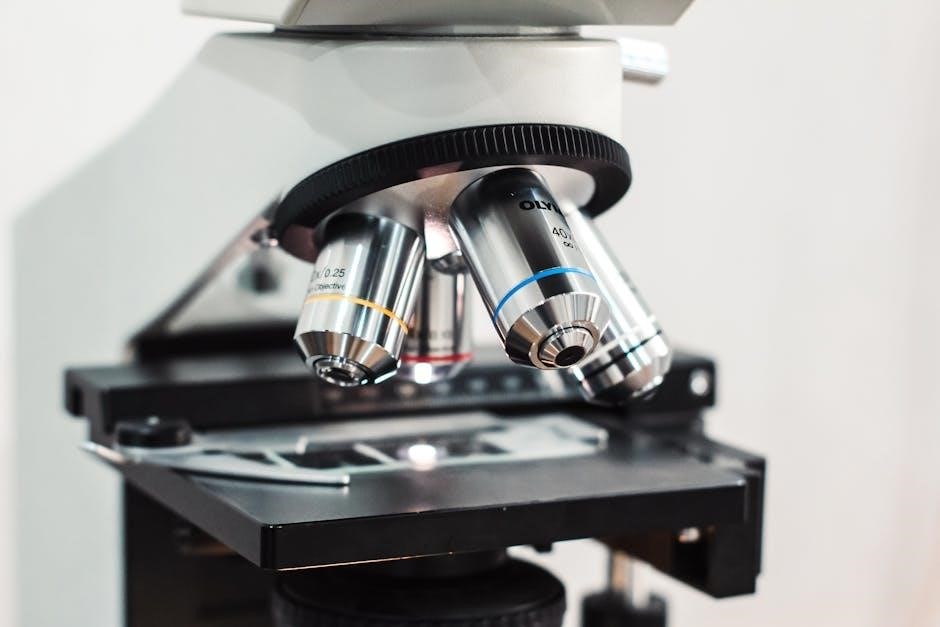
Metamorphic rocks, altered by heat and pressure, require careful observation of texture and mineral composition, guided by a physical geology lab manual․
The Metamorphic Process
Metamorphism, the transformation of existing rocks, is a cornerstone of understanding Earth’s dynamic processes; A physical geology lab manual guides students through the factors driving this change – heat, pressure, and chemically active fluids․ These agents alter the mineralogy, texture, and sometimes even the chemical composition of the parent rock․
The manual details how increased temperature provides the energy for recrystallization, while pressure influences mineral stability and alignment․ Students learn to differentiate between regional metamorphism, affecting large areas, and contact metamorphism, occurring locally near igneous intrusions․ Understanding these processes, through lab exercises and specimen analysis, is crucial for interpreting Earth’s history and the evolution of its crust․
Classifying Metamorphic Rocks
A physical geology lab manual emphasizes classifying metamorphic rocks based on texture and mineral composition․ Foliated textures, like those in slate and schist, develop under directed pressure, causing minerals to align․ Conversely, non-foliated textures, seen in marble and quartzite, form under confining pressure without directional stress․

The manual guides students in identifying key metamorphic minerals – indicators of specific temperature and pressure conditions․ Rocks are further categorized by their protolith (parent rock), revealing the original material’s transformation․ Through hands-on examination of specimens, students learn to correlate texture, mineralogy, and metamorphic grade, building a comprehensive understanding of metamorphic rock classification․
Foliated vs․ Non-Foliated Textures
A physical geology lab manual details how metamorphic textures reveal formation conditions․ Foliation, a planar arrangement of minerals, arises from directed pressure during regional metamorphism, creating rocks like slate and schist with visible layering․ This alignment reflects mineral re-orientation․
Non-foliated textures, conversely, develop under confining pressure, lacking a preferred orientation․ Marble, formed from limestone, and quartzite, from sandstone, exemplify this․ The manual guides students to distinguish these textures through specimen observation, emphasizing how pressure type dictates mineral arrangement and overall rock appearance, crucial for metamorphic rock identification․
Identifying Common Metamorphic Rocks
A physical geology lab manual provides systematic methods for identifying common metamorphic rocks․ Slate, fine-grained and foliated, splits into smooth, flat sheets – ideal for roofing․ Marble, non-foliated and often crystalline, originates from limestone and reacts to acid․
Quartzite, another non-foliated rock, forms from sandstone, exhibiting exceptional hardness․ The manual guides students through tests like scratch tests and acid reactions, alongside textural analysis․ Recognizing these key characteristics, alongside understanding their protoliths (parent rocks), allows accurate identification and reinforces metamorphic process comprehension․
Slate and Marble
A physical geology lab manual details Slate as a fine-grained, foliated metamorphic rock formed from shale․ Its defining characteristic is its excellent rock cleavage, allowing it to be split into thin, smooth sheets․ Marble, conversely, is non-foliated, originating from the metamorphism of limestone or dolostone․

Lab exercises focus on identifying these rocks through texture and composition․ Marble’s reaction with hydrochloric acid is a key diagnostic feature․ Understanding their formation—slate from low-grade regional metamorphism and marble from contact or dynamic metamorphism—is crucial, as detailed within the manual’s explanations․
Leave a Reply
You must be logged in to post a comment.